Gyalpo Lhosar
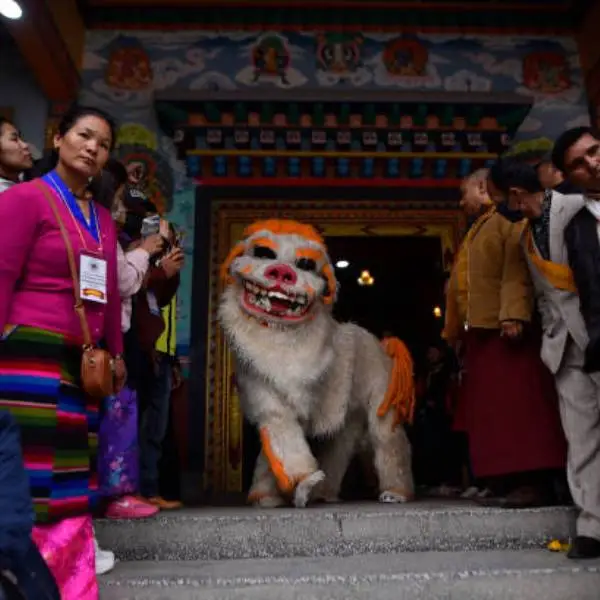
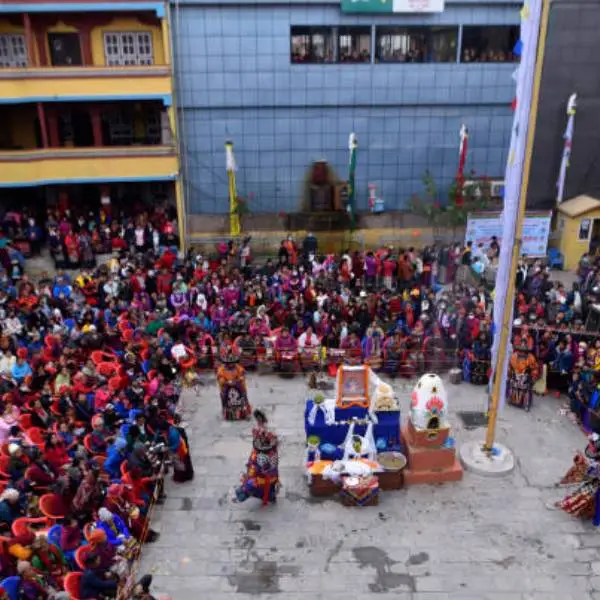
Gyalpo Lhosar, often referred to as the Tibetan New Year, is one of the most important festivals celebrated by Nepal's Tibetan Buddhist communities. The name "Gyalpo Lhosar" translates as "Royal New Year," reflecting its historical origins and cultural importance. Celebrated according to the Tibetan lunar calendar, the festival marks the beginning of a new year and symbolizes renewal, gratitude, and hope for the future. In Nepal, Gyalpo Lhosar is observed with great enthusiasm in areas such as Boudhanath, Swayambhunath, Helambu, Mustang, Solukhumbu, and Tibetan settlements throughout the Kathmandu Valley. The festival brings together families, monks, and local communities in a vibrant celebration of Buddhist traditions, creating an atmosphere filled with prayer, music, color, and joy.
Preparations for Gyalpo Lhosar begin several days before the New Year. Families thoroughly clean their homes, believing that removing dust and clutter symbolizes leaving behind the difficulties of the previous year while making space for happiness and prosperity. Houses are decorated with colorful prayer flags, fresh flowers, and traditional ornaments, while family shrines are refreshed with butter lamps, incense, and offerings. On New Year's Day, relatives gather wearing traditional clothing to exchange greetings, offer ceremonial scarves known as Khatas, and receive blessings from elders and Buddhist monks. Many people visit monasteries to participate in prayer ceremonies, light butter lamps, and make offerings for good health, peace, and success in the coming year.
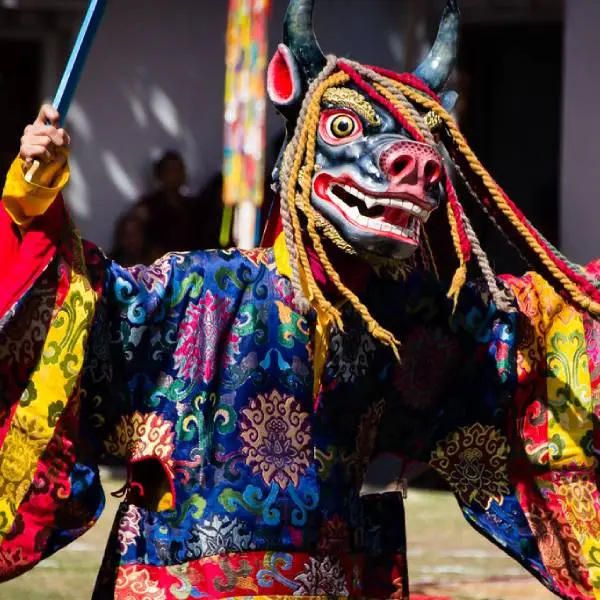
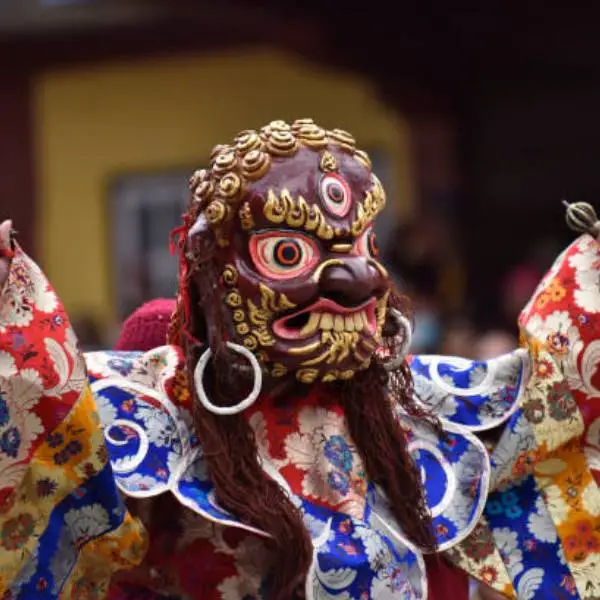
Food plays an important role throughout the celebrations. Families prepare traditional dishes such as Khapse, a crispy deep-fried pastry served during festive occasions, along with butter tea, sweet rice, and other regional specialties. Community feasts bring together relatives, neighbors, and friends, reinforcing the strong sense of unity that defines the festival. Monasteries often organize special events where monks perform sacred chants, while cultural performances featuring traditional Tibetan music and dance entertain both local residents and visitors. One of the most spectacular highlights is the Cham dance, performed by monks wearing elaborate masks and colorful robes. These sacred dances portray protective deities and symbolize the triumph of wisdom over ignorance, making them both spiritually meaningful and visually captivating.
A unique feature of Gyalpo Lhosar is the 12-Year Animal Cycle, which forms the basis of the Tibetan zodiac. Each year is represented by one of twelve animals: Rat, Ox, Tiger, Rabbit, Dragon, Snake, Horse, Sheep, Monkey, Bird (Rooster), Dog, or Pig. According to Tibetan tradition, each animal is associated with specific personality traits and influences the characteristics of people born during that year. The zodiac cycle is also combined with the five natural elements—Wood, Fire, Earth, Metal, and Water—to create a sixty-year calendar cycle. During the New Year, many people consult monks or astrologers to receive blessings and guidance for the year ahead based on these traditional beliefs.
For travelers, Gyalpo Lhosar offers a remarkable opportunity to experience the living traditions of Himalayan Buddhism. Some of the best places to witness the celebrations include Boudhanath Stupa and Swayambhunath Stupa in Kathmandu, where thousands of devotees gather to pray, light butter lamps, and walk around the sacred monuments while spinning prayer wheels. Visitors may also explore monasteries in Mustang, Solukhumbu, and Helambu, where the celebrations often retain a more traditional village atmosphere. The festival is an excellent time to observe colorful ceremonies, traditional costumes, sacred dances, and vibrant cultural performances while learning about the beliefs and customs of Nepal's Tibetan communities.
Visitors attending Gyalpo Lhosar should dress modestly when visiting monasteries and religious sites and respect local customs during ceremonies. Removing shoes where required, asking permission before photographing monks or worshippers, and maintaining a quiet and respectful manner during prayers are appreciated. Booking accommodation early is recommended, as many cultural programs attract both domestic and international visitors. Exploring the festival with a knowledgeable local guide can also provide valuable insight into the symbolism, rituals, and history behind the celebrations.
Gyalpo Lhosar is far more than the beginning of a new calendar year. It is a celebration of faith, family, cultural identity, and optimism for the future. Through sacred rituals, joyful gatherings, traditional performances, and centuries-old customs, the festival offers visitors an authentic opportunity to experience one of Nepal's most vibrant Himalayan traditions while gaining a deeper appreciation for the country's rich Buddhist heritage.