Rama Navami
Rama Navami stands among the most significant festivals in the Hindu calendar, dedicated to celebrating the birth of Lord Rama, the seventh avatar of Lord Vishnu and one of the most beloved and revered figures in Hindu mythology. Observed with deep devotion across Nepal and throughout the wider Hindu world, the festival falls on the ninth day, or Navami, of the bright fortnight, known as Shukla Paksha, in the lunar month of Chaitra. On the Gregorian calendar, this typically places the celebration sometime in March or April, marking the culmination of the nine-day festival of Chaitra Navaratri, a period dedicated to the worship of the divine feminine that concludes fittingly with the celebration of Rama's birth.
According to the Ramayana, the great Sanskrit epic that chronicles his life, Lord Rama was born to King Dasharatha and Queen Kausalya in the ancient city of Ayodhya, capital of the kingdom of Kosala. His birth is described in the epic as a moment of profound cosmic significance, arriving at a time when the earth was said to be burdened by the tyranny of the demon king Ravana. Rama's incarnation as Vishnu's seventh avatar is understood within Hindu theology as a direct divine response to this suffering, an embodiment of righteousness sent to restore balance and moral order to the world. This concept of dharma, meaning righteousness, duty, and moral law, lies at the very heart of Rama's character and forms the central theme that runs throughout the entirety of the Ramayana.
Rama's life story, as told in the epic, is one of unwavering commitment to duty even in the face of immense personal sacrifice. He willingly accepted fourteen years of exile from his kingdom to honor his father's word, endured the abduction of his beloved wife Sita by the demon king Ravana, and ultimately led a great war to rescue her and restore justice, all while maintaining his composure, humility, and devotion to righteous conduct. It is precisely this combination of divine power and deeply human virtue that has made Rama one of the most widely revered and emulated figures in Hindu culture, often held up as the ideal of the perfect son, husband, king, and man.
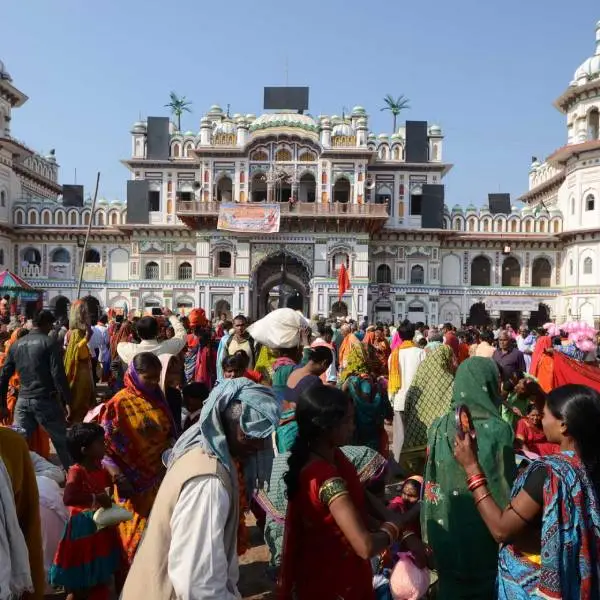
The celebration of Rama Navami is marked by a range of devotional practices that vary somewhat by region and community, though certain elements remain broadly consistent. Many devotees observe a fast on this day, ranging from complete abstention from food to more moderate fasts involving only fruits and specific permitted foods, as an act of spiritual discipline and devotion. Temples dedicated to Rama, as well as those honoring Vishnu more broadly, see significantly increased attendance, with special pujas, or ritual worship ceremonies, conducted throughout the day. Devotees often recite or listen to readings from the Ramayana itself, or from devotional hymns such as the Ramcharitmanas, a retelling of the epic composed by the poet-saint Tulsidas, which holds particular reverence among Hindi-speaking Hindu communities.
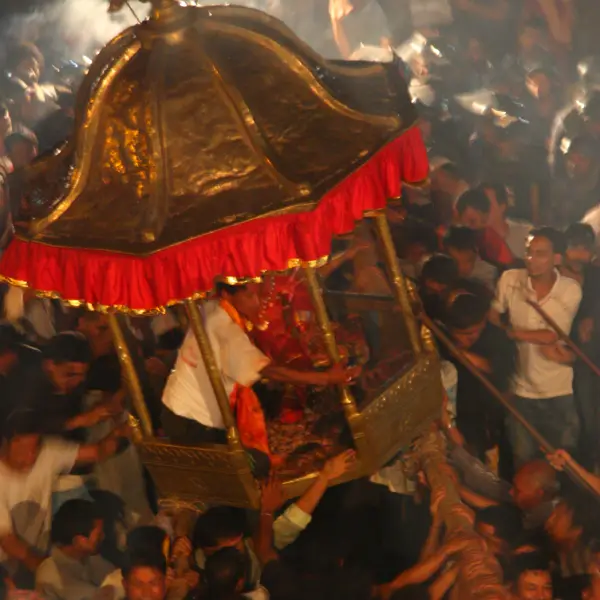
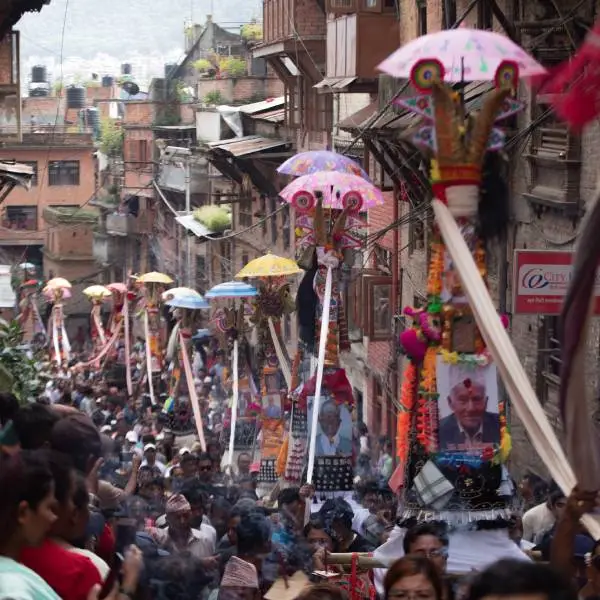
In many temples and households, images or idols of the infant Rama are ceremonially bathed, dressed, and placed in decorative cradles, symbolically reenacting his birth and inviting devotees to participate in the joy of the occasion much as one might celebrate the birth of a child within their own family. Devotional singing, known as bhajan and kirtan, fills temple courtyards throughout the day, with groups of devotees gathering to sing hymns praising Rama's virtues and divine deeds. In some communities, processions are organized featuring elaborately decorated images of Rama, his wife Sita, his brother Lakshmana, and his devoted companion Hanuman, the monkey god whose unwavering loyalty to Rama is itself celebrated as a model of devotion within Hindu tradition.
Charitable acts and community feasts, known as bhandaras, are also common during Rama Navami, with many temples and organizations distributing free food to devotees and the broader community as an expression of generosity and religious merit. In Nepal, where Hindu and indigenous traditions have long coexisted and influenced one another, Rama Navami is observed with particular devotion in areas with strong ties to Vaishnavite traditions, the branch of Hinduism centered on the worship of Vishnu and his various avatars.
Beyond its religious significance, Rama Navami serves as an important cultural touchstone, reinforcing values of duty, integrity, and moral courage that continue to resonate deeply within Hindu society. Whether observed through quiet personal devotion, temple rituals, or community celebration, the festival offers an annual opportunity for reflection on the timeless ideals embodied by Rama, ideals that have shaped Hindu ethical and cultural life for thousands of years and continue to inspire millions of devotees across Nepal and beyond.