Krishna Janmaashtami
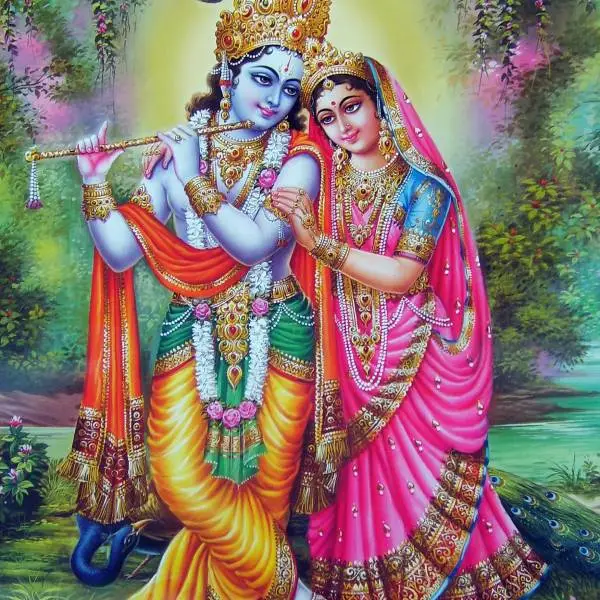
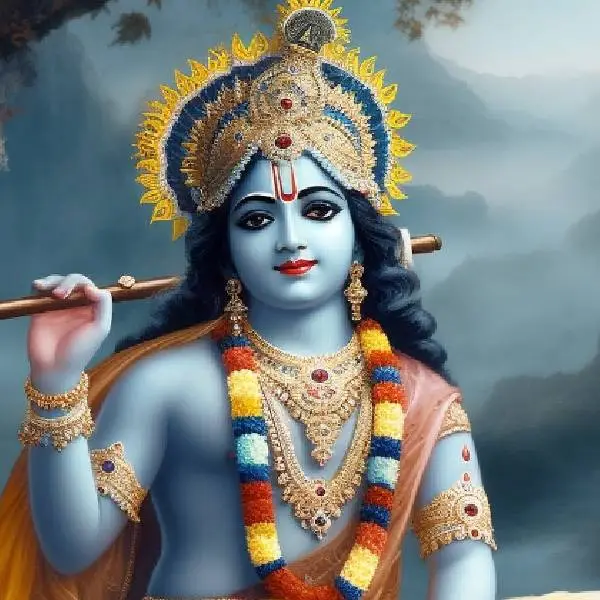
Krishna Ashtami, also known as Krishna Janmashtami, is one of the most important religious and cultural festivals celebrated in Nepal. The festival marks the birth anniversary of Lord Krishna, who is considered the eighth incarnation of Lord Vishnu in Hindu tradition. Celebrated on the eighth day of the dark fortnight of the Hindu month of Bhadra, Krishna Ashtami brings together thousands of devotees who gather at temples and homes to celebrate the life, teachings, and divine stories of Lord Krishna. The festival represents devotion, love, righteousness, and the victory of good over negative forces.
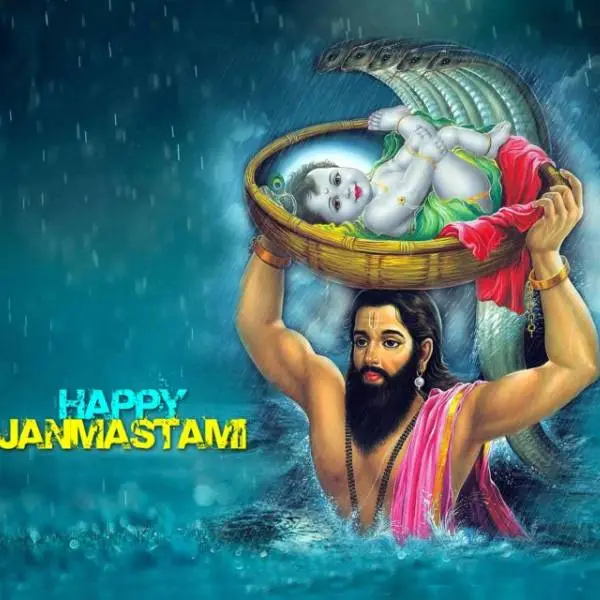
The celebration of Krishna Ashtami in Nepal is deeply connected with religious traditions and cultural heritage. Devotees believe that Lord Krishna was born at midnight in Mathura to restore peace and protect humanity from injustice. On this special occasion, people observe fasting, perform prayers, decorate temples, sing devotional songs, and participate in various spiritual activities. The festival creates a peaceful and joyful atmosphere where families, communities, and travelers come together to experience Nepal’s rich religious traditions.
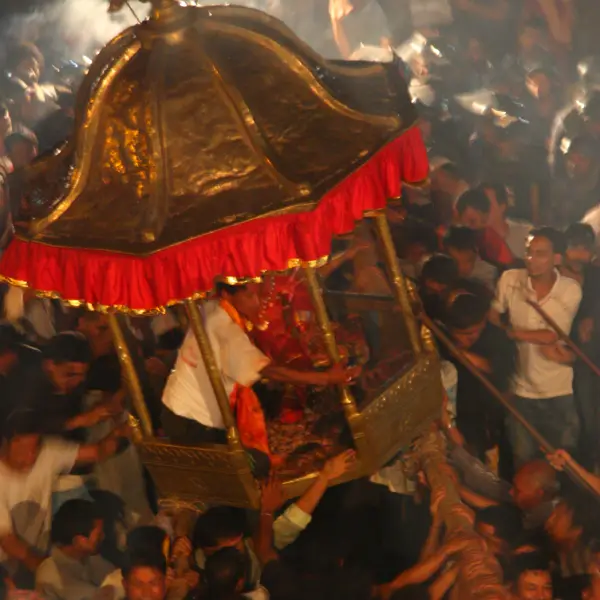
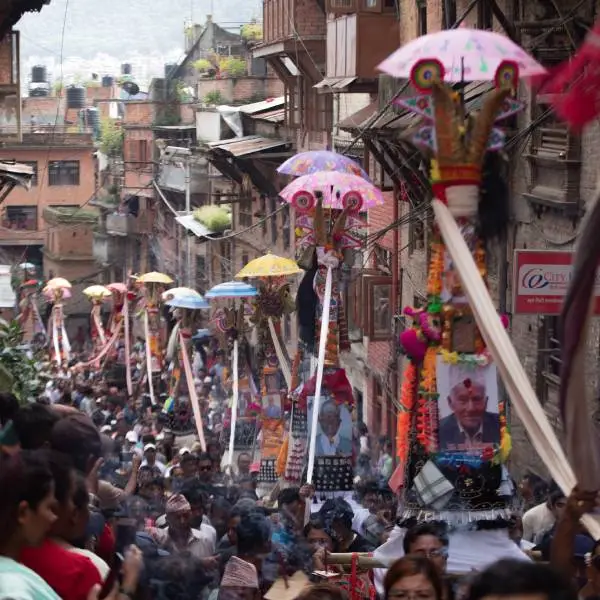
One of the most important aspects of Krishna Ashtami is visiting Krishna temples. In Nepal, the Krishna Temple at Patan Durbar Square in Lalitpur becomes the center of major celebrations. Thousands of devotees gather at the temple to offer prayers, light lamps, sing bhajans, and receive blessings. The beautifully decorated temple area becomes filled with spiritual energy as people celebrate the birth of Lord Krishna throughout the day and night. Other Krishna temples across Kathmandu Valley and different parts of Nepal also organize special programs and religious gatherings during the festival.
Fasting is an important tradition followed by many devotees during Krishna Ashtami. Many people observe a fast throughout the day and break it after the midnight celebration, which is believed to be the time when Lord Krishna was born. Devotees spend the day praying, reading religious texts, chanting Krishna’s name, and preparing special offerings. The fasting tradition represents devotion, discipline, and spiritual purification while honoring the significance of Lord Krishna’s birth.
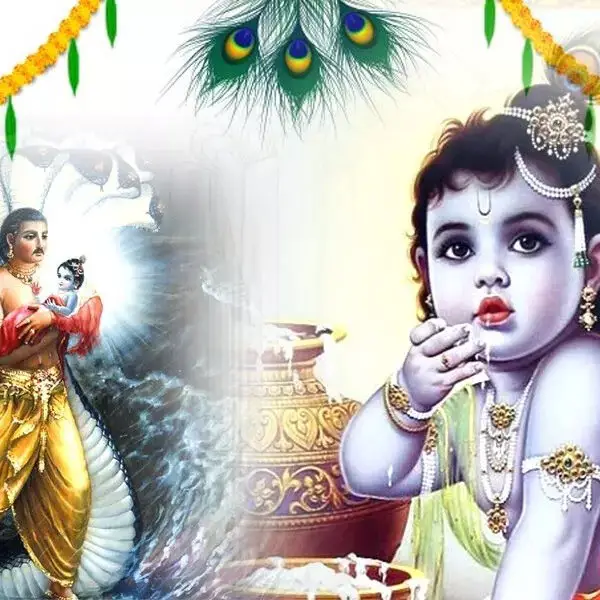
As the evening approaches, temples and homes become beautifully decorated with flowers, lights, and images of Lord Krishna. Many families create small cradles decorated with flowers and place an idol of baby Krishna inside, representing his childhood form known as Bal Gopal. At midnight, devotees perform special prayers and rituals to celebrate the divine birth. The sound of devotional songs, bells, and chants creates a memorable spiritual experience for everyone participating in the festival.
Krishna Ashtami is not only a religious celebration but also an opportunity to experience Nepalese culture and traditions. Devotional music, classical dances, storytelling, and performances based on the life of Lord Krishna are common parts of the celebration. Artists and devotees often present scenes from Krishna’s childhood, including his playful activities in Vrindavan and his teachings from the Bhagavad Gita. These cultural performances help younger generations understand and preserve Nepal’s spiritual heritage.
For travelers visiting Nepal, experiencing Krishna Ashtami offers a unique opportunity to witness authentic local traditions. Unlike ordinary sightseeing experiences, this festival allows visitors to become part of Nepal’s living culture. Travelers can explore historic temples, observe traditional rituals, interact with local communities, and capture the colorful atmosphere of one of Nepal’s most meaningful festivals.
The Kathmandu Valley is one of the best places to experience Krishna Ashtami because of its historic temples and vibrant cultural environment. The ancient cities of Kathmandu, Patan, and Bhaktapur provide a perfect setting where visitors can explore traditional architecture along with religious celebrations. Patan Durbar Square, especially, becomes a major attraction during Krishna Ashtami as devotees gather from different places to participate in prayers and celebrations.
The festival also reflects the importance of Lord Krishna’s teachings, especially the message of duty, compassion, and devotion. Through his teachings in the Bhagavad Gita, Lord Krishna emphasized the importance of following one’s responsibilities with honesty and dedication. For many devotees, Krishna Ashtami is not only a celebration of his birth but also a reminder to follow these values in daily life.
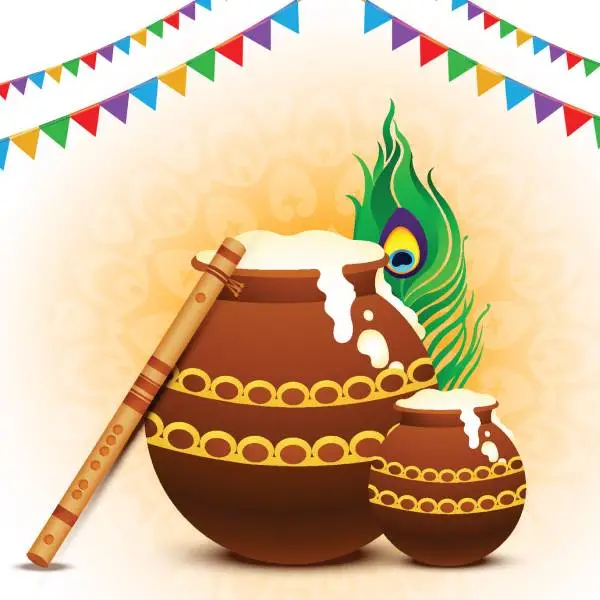
Food is another important part of Krishna Ashtami celebrations. Devotees prepare special offerings such as fruits, sweets, milk products, butter, and traditional dishes associated with Lord Krishna. Since Krishna is often described as loving butter and dairy products during his childhood, these items hold special significance during the festival. Families share food after prayers and celebrate together with happiness and devotion.
For cultural travelers, photographers, and those interested in spiritual experiences, Krishna Ashtami provides a memorable glimpse into Nepal’s traditions. The combination of ancient temples, devotional activities, colorful decorations, music, and community celebrations creates an unforgettable festival experience. Visitors can discover the spiritual side of Nepal while witnessing how religion and culture continue to shape everyday life.
Planning a visit to Nepal during Krishna Ashtami allows travelers to experience one of the country’s most beautiful religious festivals. From the historic temples of Kathmandu Valley to the devotion of local communities, every part of the celebration reflects Nepal’s deep cultural identity. Krishna Ashtami is a festival filled with faith, tradition, and celebration, making it a meaningful experience for anyone looking to explore the authentic cultural beauty of Nepal.