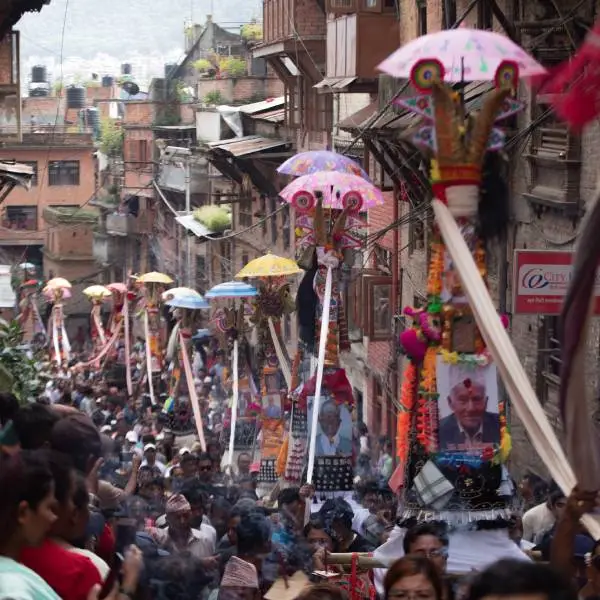
Gai Jatra
Gai Jatra, also known as the Festival of Cows, is one of Nepal’s most unique and meaningful cultural festivals. Celebrated mainly in the Kathmandu Valley, this traditional Newar festival combines remembrance, spirituality, humor, and community celebration in a way that makes it different from other festivals in Nepal. Gai Jatra is observed to honor family members and loved ones who have passed away during the previous year. Through processions, traditional performances, music, and cultural activities, the festival provides comfort to grieving families while celebrating the memories of those who are no longer present.
The meaning of Gai Jatra goes beyond mourning and remembrance. The festival reflects the Nepalese belief that death is a natural part of life and that memories of loved ones should be celebrated with respect and positivity. According to tradition, families who have lost someone participate in the festival procession by leading cows or children dressed as cows through the streets. The cow holds deep religious significance in Nepalese culture and is believed to help guide departed souls toward peace and the afterlife.
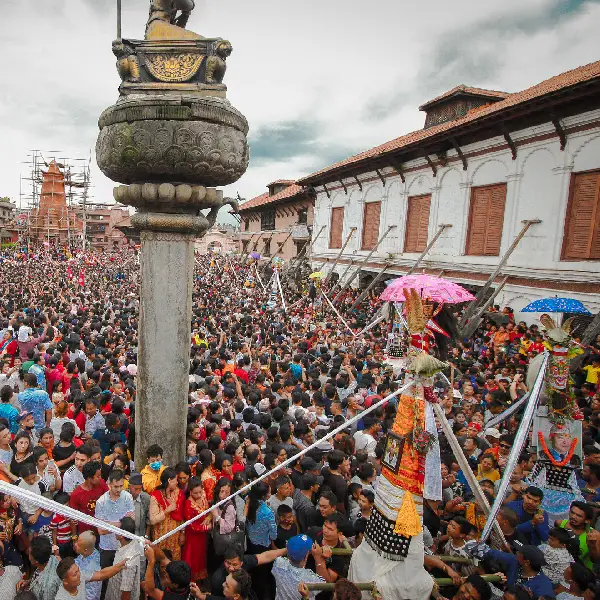
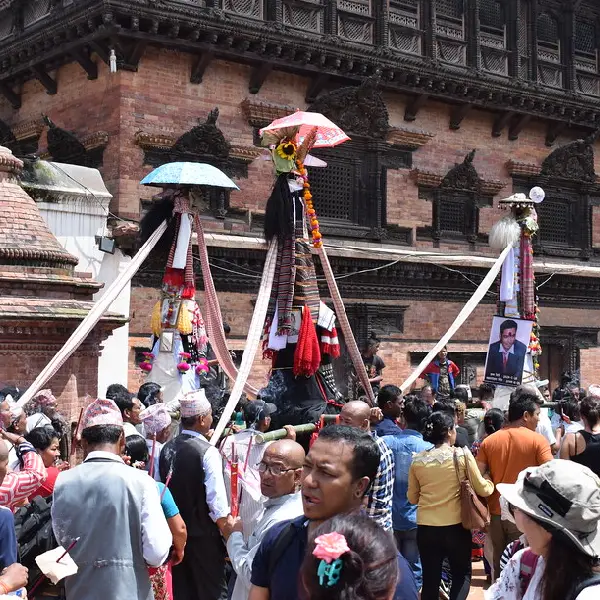
Gai Jatra is celebrated on the first day of the dark fortnight of the month of Bhadra according to the Nepalese lunar calendar, usually falling in August or September. The festival creates a unique atmosphere across Kathmandu Valley, especially in historic cities such as Kathmandu, Lalitpur, and Bhaktapur. Ancient streets become filled with colorful processions, traditional costumes, music, dances, and cultural performances that showcase the rich heritage of the Newar community.
The history of Gai Jatra is connected with King Pratap Malla of Kathmandu, who introduced the festival in the 17th century after the death of his son. According to tradition, the king organized the festival to help his grieving queen understand that many families had also experienced the pain of losing loved ones. The celebration helped bring comfort by showing that sorrow is a shared human experience. Over time, Gai Jatra developed into a festival that represents remembrance, acceptance, and the strength of community support.
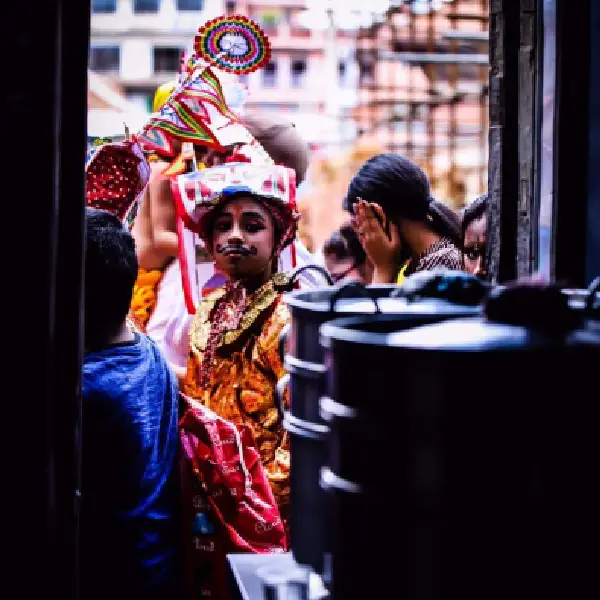
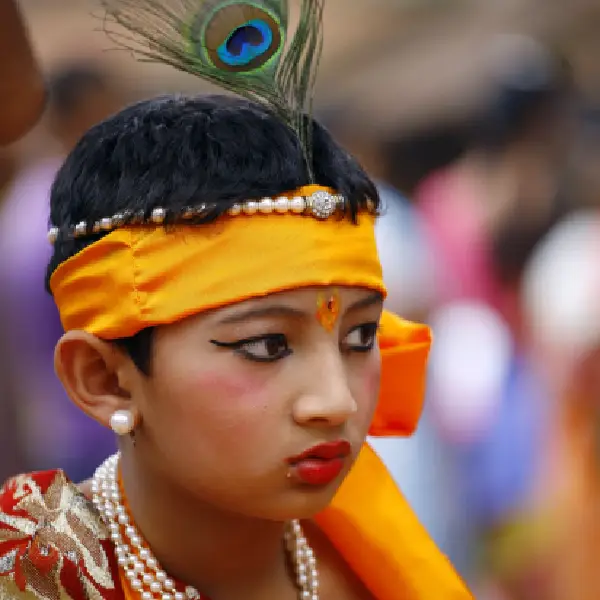
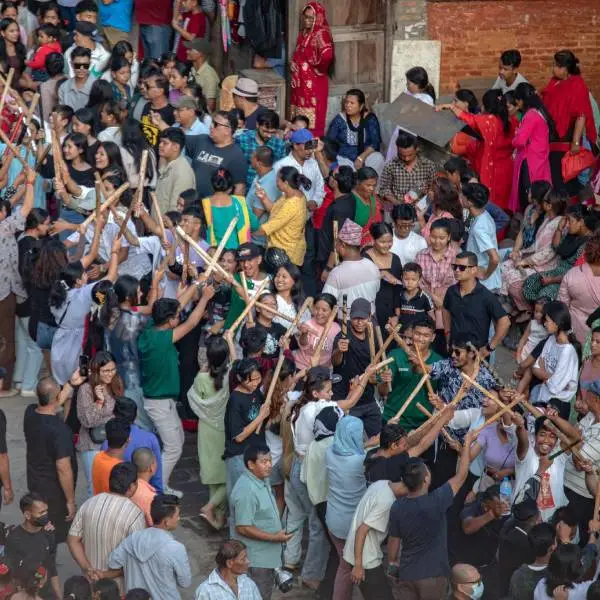
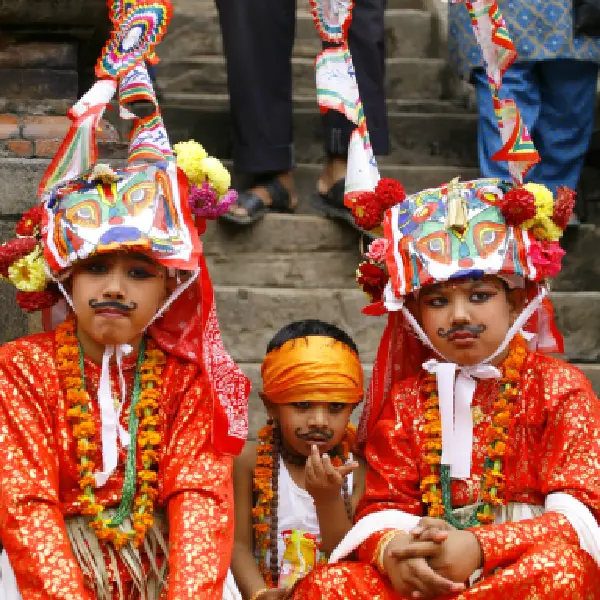
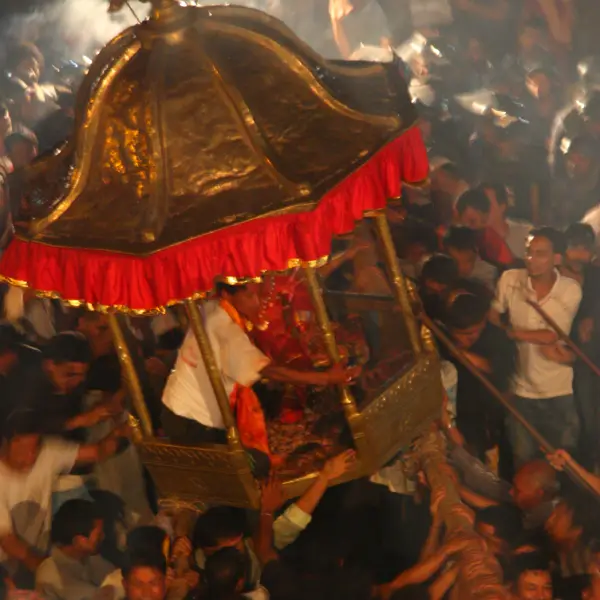
One of the most important attractions of Gai Jatra is the traditional procession. Families participate by bringing decorated cows or young boys dressed as cows and other cultural figures. Participants walk through the streets while local communities gather to observe the rituals and offer respect. The colorful costumes, traditional music, and lively environment create a memorable cultural experience for both locals and visitors.
A unique feature of Gai Jatra is the way it combines sadness with happiness. While the festival begins as a way to remember those who have passed away, it gradually transforms into a celebration filled with laughter, performances, and entertainment. During the festival, people often perform humorous acts, create traditional dances, and present satirical performances that highlight social issues. This combination of emotions makes Gai Jatra one of Nepal’s most distinctive cultural celebrations.
Traditional music plays an important role during Gai Jatra celebrations. Local musicians perform using traditional Newar instruments, creating an energetic environment throughout the streets. Cultural groups perform dances and dramas that represent Nepal’s artistic traditions. These performances are not only forms of entertainment but also help preserve stories, customs, and values passed down through generations.
For travelers visiting Nepal, experiencing Gai Jatra provides a chance to witness authentic local culture and understand the traditions of the Newar community. Instead of being only a religious ceremony, the festival represents the connection between families, history, and society. Visitors can explore ancient neighborhoods, observe traditional rituals, interact with local people, and experience the vibrant cultural atmosphere of Kathmandu Valley.
The best places to experience Gai Jatra are the historic cities of Kathmandu Valley. Kathmandu Durbar Square, Patan, and Bhaktapur become important centers of celebration where visitors can witness traditional processions and cultural performances. The narrow streets, ancient temples, and historic architecture create a beautiful background for experiencing one of Nepal’s oldest festivals.
Photography enthusiasts will find Gai Jatra especially fascinating because of its colorful costumes, unique traditions, and emotional moments. The combination of decorated participants, traditional artwork, musical performances, and community gatherings provides countless opportunities to capture Nepal’s living heritage. However, visitors should always respect local customs and ask permission before photographing people during personal rituals.
Gai Jatra represents the Nepalese approach to remembering life and death with acceptance, compassion, and unity. It teaches that even during moments of loss, communities can come together to support each other and celebrate the memories of loved ones. The festival reflects the cultural philosophy that happiness and sadness are both important parts of human life.
For travelers seeking meaningful cultural experiences in Nepal, Gai Jatra offers a rare opportunity to witness a festival where tradition, emotion, humor, and spirituality come together. From colorful street processions to ancient rituals and community celebrations, every part of Gai Jatra reflects the deep cultural identity of Nepal. Experiencing this festival allows visitors to discover a different side of Nepal beyond landscapes and monuments — a side shaped by stories, traditions, and the people who continue to preserve them.