Jana Baha Dyah Jatra
Jana Baha Dyah Jatra is one of the most important and historic chariot festivals celebrated in Kathmandu Valley. Also known as Seto Machhendranath Jatra, the festival is dedicated to Jana Baha Dyah, a revered deity worshipped by both Hindu and Buddhist communities. The festival represents compassion, peace, prosperity, and harmony among people. With its magnificent chariot procession, traditional music, religious rituals, and strong community participation, Jana Baha Dyah Jatra reflects the rich cultural heritage of the Newar community and the living traditions of Kathmandu.
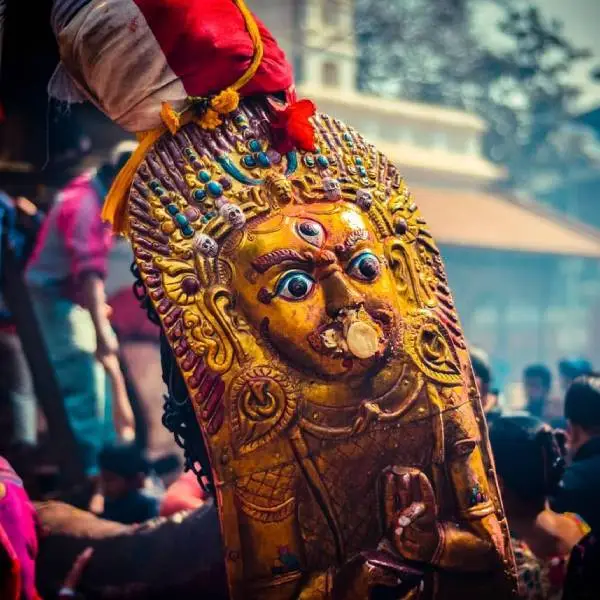
The festival is centered around Jana Baha Dyah, also known as Arya Avalokiteshvara, Seto Machhendranath, or Karunamaya. In Buddhist tradition, he is regarded as the Bodhisattva of Compassion, while many Hindu devotees worship him as a form of Machhendranath. This shared religious importance makes the festival a unique example of religious harmony in Nepal, where people from different faiths come together to express their devotion and participate in the celebrations.
Jana Baha Dyah Jatra is celebrated according to the lunar calendar, usually during the month of Chaitra. The main chariot procession takes place over several days, beginning on the eighth day of the bright fortnight and continuing through the traditional route of old Kathmandu. During this period, thousands of devotees gather in the streets to witness the sacred journey of the deity and receive blessings.
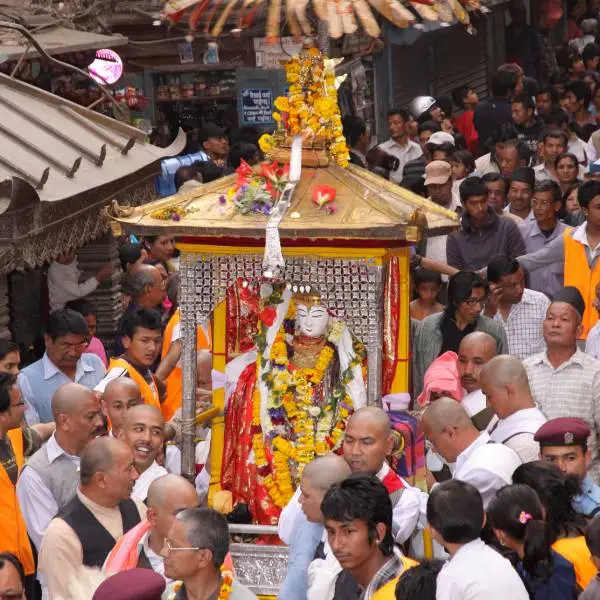
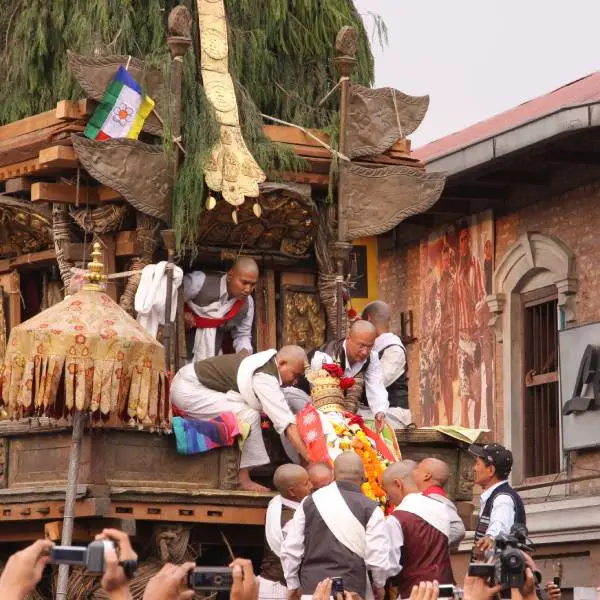
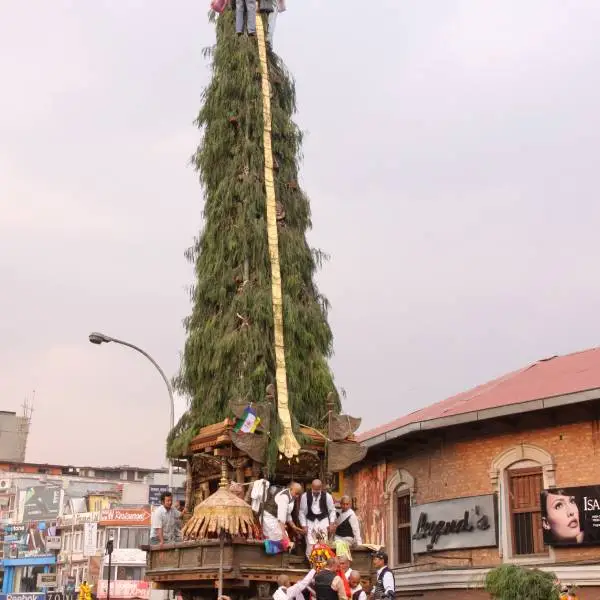
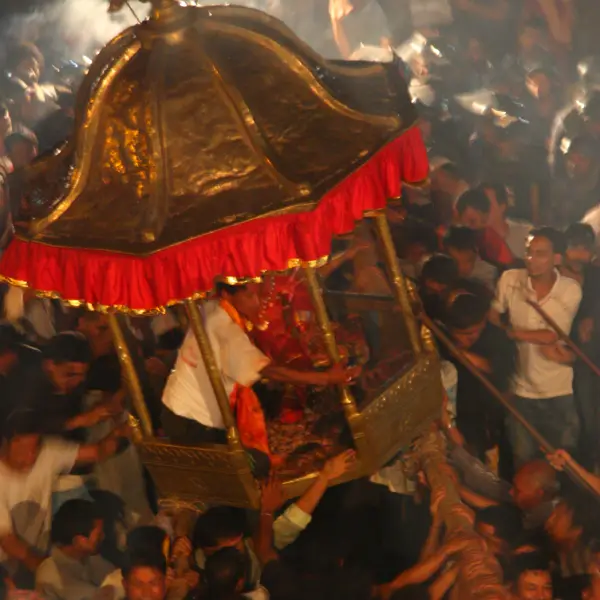
One of the most remarkable attractions of the festival is the enormous wooden chariot built specially for the occasion. The tall chariot, designed like a traditional multi-level temple, is carefully constructed by skilled craftsmen using traditional methods. After the sacred idol of Jana Baha Dyah is placed inside the chariot, devotees pull it through the historic streets of Kathmandu. The movement of the chariot symbolizes the deity traveling among the people and blessing the entire city.
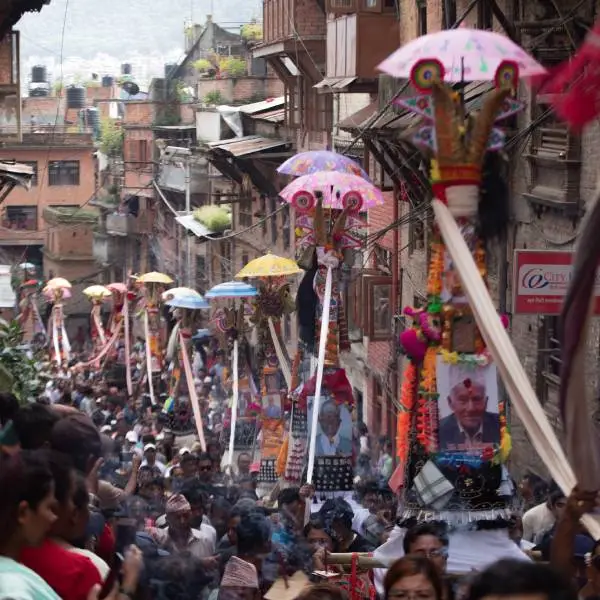
The procession begins after the idol is brought from Jana Baha temple to the starting point near Jamal. From there, the chariot travels through important areas of central Kathmandu. On the first day, the chariot moves from Jamal through Bhotahiti to Asan, where it remains overnight. The following day, it continues through Indra Chowk and reaches Kathmandu Durbar Square. On the final stage of the journey, the chariot passes through Maru and other historic areas before reaching Lagan, where special rituals are performed before the deity returns to Jana Baha.
The festival is accompanied by traditional musical performances, religious chants, and ceremonial activities. Local musicians play traditional instruments while devotees offer prayers, flowers, incense, and butter lamps along the chariot route. The streets of Kathmandu become filled with energy as people gather to celebrate this ancient tradition. The combination of music, architecture, rituals, and community involvement creates a unique cultural experience.
According to local legends, the origin of Jana Baha Dyah Jatra is connected with King Yaksha Malla and the deity Arya Avalokiteshvara. One popular story tells that Yamaraj, the god of death, visited the Kathmandu Valley and was amazed by the spiritual power of the region. After seeking help from Arya Avalokiteshvara, the deity appeared and instructed that a temple should be built and a chariot procession should be organized so that people who could not visit the temple would still receive the deity’s blessings.
The festival also has historical significance. Although traditions connect its origin with ancient legends, records show that the festival was already well established several centuries ago. The rituals and procession have been carefully preserved by generations of Kathmandu residents, allowing the festival to continue as an important part of Nepal’s cultural identity.
Beyond its religious meaning, Jana Baha Dyah Jatra plays an important social role. The festival brings together people from different communities who work collectively to organize the chariot construction, rituals, and procession. It strengthens relationships among residents and allows younger generations to learn about their history, craftsmanship, and cultural responsibilities.
For travelers, Jana Baha Dyah Jatra provides an opportunity to experience one of Kathmandu’s most fascinating traditional festivals. Visitors can witness the impressive chariot, explore historic streets, observe Newar rituals, and experience the spiritual atmosphere created by thousands of devotees. The festival offers a deeper understanding of Nepal’s connection between religion, art, and community life.
Today, Jana Baha Dyah Jatra continues to remain a symbol of compassion, unity, and cultural preservation. Despite modernization and changes in lifestyle, the people of Kathmandu continue to celebrate this ancient tradition with dedication and enthusiasm. With its sacred rituals, impressive chariot procession, and message of harmony, Jana Baha Dyah Jatra remains one of Nepal’s most valuable living cultural heritages.