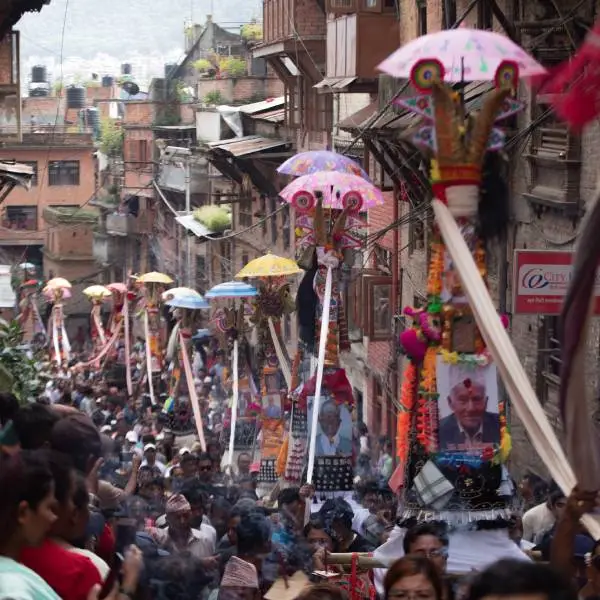
Ghode Jatra
Ghode Jatra, widely known as the Festival of Horses, is one of the most distinctive traditional celebrations held in the Kathmandu Valley of Nepal. The festival brings together history, local beliefs, military horsemanship, and centuries-old cultural traditions in the heart of Kathmandu. Its most recognizable celebration takes place at Tundikhel, the large open ground in central Kathmandu, where horses and skilled riders become the center of attention. For both residents and travelers, Ghode Jatra offers a fascinating opportunity to experience a living tradition that continues to connect modern Kathmandu with its cultural past.
Ghode Jatra is observed according to the traditional lunar calendar on Chaitra Krishna Aunsi, meaning its Gregorian calendar date changes from year to year. The festival generally falls during March or April, when Kathmandu is moving into the spring season. Journey DMC's current festival calendar lists the upcoming Ghode Jatra celebration for 6 April 2027. Travelers hoping to experience the festival should plan their Kathmandu visit around the official date while allowing additional time to explore related cultural activities taking place throughout the Kathmandu Valley.
The history of Ghode Jatra is closely connected with an old local legend about a demon commonly known as Tundi or Gurumapa. According to traditional belief, the demon once caused fear and suffering among people living in the Kathmandu area. After the demon was defeated, horses were made to gallop over the area where its spirit was believed to remain. Over generations, the sound and force of horses' hooves became associated with keeping the harmful spirit suppressed and protecting the community from its return. This symbolic connection between horses, protection, and the defeat of negative forces remains one of the best-known explanations behind the festival.
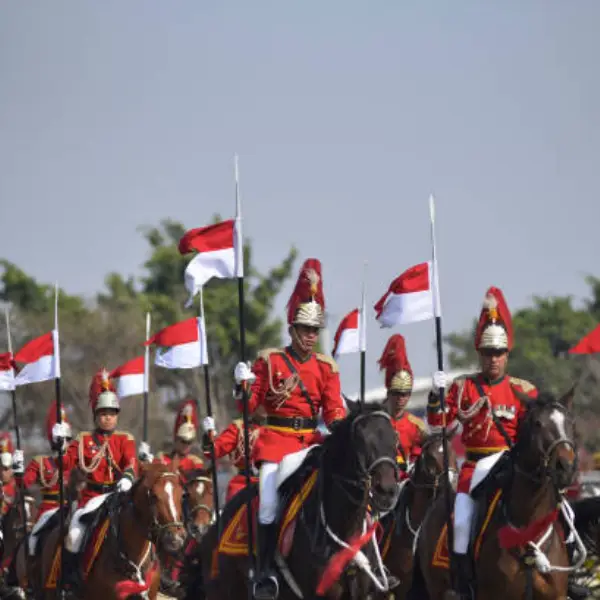
Tundikhel serves as the main setting for the public horse spectacle associated with Ghode Jatra. Located in central Kathmandu, this historic open space becomes the focus of organized equestrian activities performed by the Nepal Army. Trained riders demonstrate impressive control, balance, coordination, and horsemanship through horse races, ceremonial displays, and skilled riding performances. The combination of powerful horses, disciplined riders, and traditional pageantry creates an energetic atmosphere that distinguishes Ghode Jatra from many other festivals celebrated in Nepal.
The equestrian performances are not simply entertainment. Horses carry strong symbolic importance within the festival's traditional narrative. Their galloping represents the suppression of harmful forces and the community's victory over fear and disorder. The thunderous sound of hooves across Tundikhel therefore connects the modern public spectacle with beliefs that have been passed through generations. This combination of symbolism and performance gives Ghode Jatra a character that is both culturally meaningful and visually dramatic.
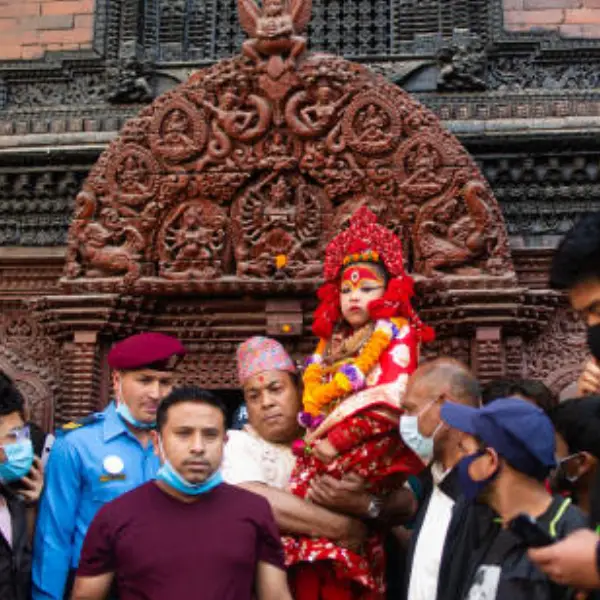
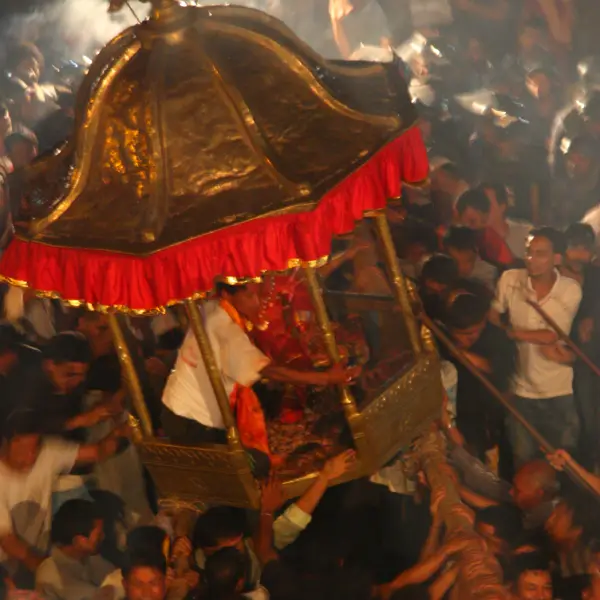
Ghode Jatra also forms part of a wider period of traditional celebrations in the Kathmandu Valley. It coincides with Pahan Charhe, an important Newar festival involving local deities, community rituals, family gatherings, processions, and traditional hospitality. During this period, parts of old Kathmandu can become lively with religious activities and neighborhood celebrations. Historic areas such as Asan and Indra Chowk are particularly associated with traditional cultural activities connected with Pahan Charhe, adding another dimension to the experience for visitors exploring Kathmandu during the festival period.
Although Tundikhel hosts the best-known Ghode Jatra celebration, horse-related traditions are not limited to central Kathmandu. Lalitpur, also known as Patan, has its own local customs associated with the festival period, including traditional activities around the Balkumari area. These regional variations demonstrate how festivals in the Kathmandu Valley can share a common cultural calendar while maintaining distinct neighborhood traditions. Exploring both Kathmandu and Patan can therefore provide travelers with a broader understanding of how local communities preserve their cultural heritage.
For travelers visiting Nepal, Ghode Jatra offers an experience very different from ordinary sightseeing. Instead of observing history only through temples, palaces, and monuments, visitors can see cultural traditions continuing within everyday urban life. The festival brings together local residents, military participants, religious traditions, historic public spaces, and community celebrations, creating an atmosphere that reflects the layered identity of Kathmandu. It can be especially rewarding for travelers interested in Nepalese culture, traditional festivals, heritage photography, and local history.
Visitors should remember that Ghode Jatra is more than a tourist spectacle. Many customs surrounding the festival carry religious, historical, and community significance for local people. Respectful behavior is therefore important when observing ceremonies, processions, or neighborhood rituals. Travelers should avoid obstructing processions, entering restricted areas, or interrupting religious activities. Comfortable and modest clothing is suitable when exploring festival locations, particularly when visiting temples, shrines, traditional courtyards, and heritage neighborhoods.
Photography can be one of the highlights of experiencing Ghode Jatra. Galloping horses, ceremonial riders, traditional architecture, crowded streets, religious processions, and local gatherings can create memorable visual moments. However, visitors should ask permission before taking close photographs of individuals or documenting sensitive religious ceremonies. Maintaining a respectful distance during rituals allows travelers to capture the atmosphere of the festival while respecting the people who continue these traditions.
Travelers planning to experience the main activities around Tundikhel should also expect larger crowds and possible traffic changes in central Kathmandu. Arriving in the area early can make it easier to understand the surroundings and find an appropriate viewing location. Because some official sections of the event may have controlled access, visitors should not assume that every area of the parade ground will be open to the general public. Exploring nearby historic neighborhoods before or after the main event can make the day more rewarding and provide additional insight into Kathmandu's cultural landscape.
Experiencing Ghode Jatra with a knowledgeable local guide can add valuable context to what visitors see. The festival contains layers of mythology, Newar traditions, military ceremony, community customs, and religious symbolism that may not be immediately obvious to someone witnessing the celebration for the first time. Understanding why the horses run, how Ghode Jatra relates to Pahan Charhe, and why different neighborhoods observe their own traditions can transform the festival from an interesting visual event into a meaningful cultural experience.
Ghode Jatra ultimately represents the remarkable way Kathmandu preserves ancient beliefs while allowing traditions to evolve within a modern capital city. The festival combines the legendary story of overcoming destructive forces with the skill and spectacle of contemporary equestrian performances. At the same time, its connection with Newar community celebrations keeps the festival rooted in the cultural life of the Kathmandu Valley. This balance between mythology, history, community participation, and public celebration makes Ghode Jatra one of Nepal's most distinctive annual cultural events.
For visitors who want to experience Nepal beyond its mountains and famous heritage sites, planning a journey around Ghode Jatra can reveal another side of the country. Watching horses race across historic Tundikhel, exploring the old streets of Kathmandu during associated festivities, observing local rituals, and learning the stories behind the celebration provide a deeper connection with Nepal's living heritage. Ghode Jatra is not simply a horse parade; it is an expression of protection, community identity, tradition, and the enduring cultural memory of the Kathmandu Valley.