Bibaha Panchami
Few festivals make an entire city feel like a wedding venue quite like Bibaha Panchami in Janakpur. Streets around the temples are decorated, devotional songs can be heard throughout the city, processions move between sacred locations, and thousands of worshippers gather to remember the marriage of Goddess Sita and Lord Rama. For the people of Mithila, the occasion carries a particularly personal meaning because Janakpur is traditionally regarded as the home of Sita and the ancient kingdom of her father, King Janak. In 2026, Bibaha Panchami is observed on 14 December, corresponding to Mangsir 28 in the Nepali calendar.
Bibaha Panchami follows the lunar calendar and is celebrated on the fifth day of the bright fortnight of the month of Margashirsha, known as Mangsir in Nepal. The festival remembers the union of Rama, prince of Ayodhya, and Sita, daughter of King Janak of Mithila. Janakpur therefore occupies the centre of the celebration, while the connection with Ayodhya gives the occasion a strong cultural and religious link between Nepal and India.
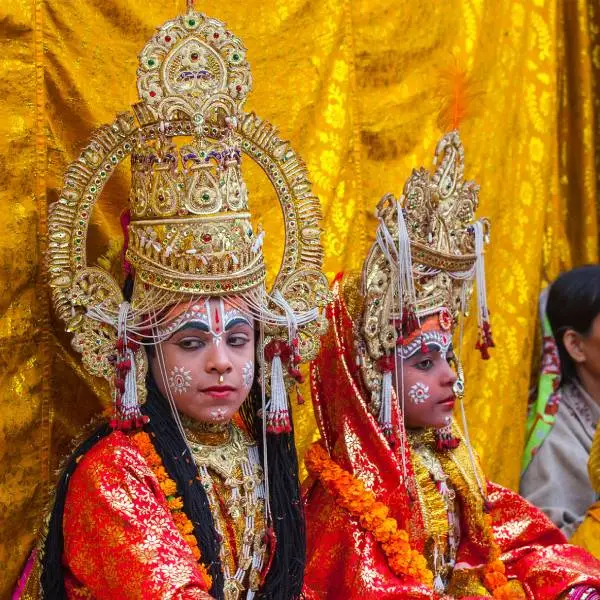
The story behind the festival comes from the Ramayana tradition. King Janak arranged a swayambar for Sita in which prospective bridegrooms faced an extraordinary challenge involving the mighty bow associated with Lord Shiva. Rama succeeded where the others could not, leading to his marriage with Sita. During Bibaha Panchami, episodes surrounding this story are recreated through rituals, processions, devotional performances, and symbolic wedding ceremonies.
In Janakpur, the celebration develops over seven days rather than taking place only on Panchami itself. The sequence traditionally begins with Nagar Darshan, recalling Rama and Lakshmana arriving in Mithila with Sage Vishwamitra. This is followed by Phulbari Leela, Dhanush Yagya, Tilakotsav and Matkor. The principal day features the Swayambar and ceremonial wedding, while Ram Kaleva concludes the sequence the following day. These stages give the festival the rhythm of a traditional Mithila marriage rather than that of a single religious ceremony.
Much of the activity revolves around the magnificent Janaki Mandir. Completed in 1910 under Queen Vrisha Bhanu of Tikamgarh, the temple is also popularly called Nau Lakha Mandir. Its elaborate architecture and spacious courtyards provide a dramatic setting for the festival. During Bibaha Panchami, flowers, lights, wedding decorations, and devotional activity transform the temple surroundings, while worshippers arrive throughout the day to offer prayers to Sita and Rama.
Nearby, the Vivah Mandap carries special significance because local tradition associates it with the sacred marriage itself. Ceremonial wedding rituals are recreated here, making the experience resemble a large family wedding in which the entire city has become part of the celebration. Priests conduct religious rites, devotional songs are performed, and representations of the divine bride and groom are treated according to established marriage customs.
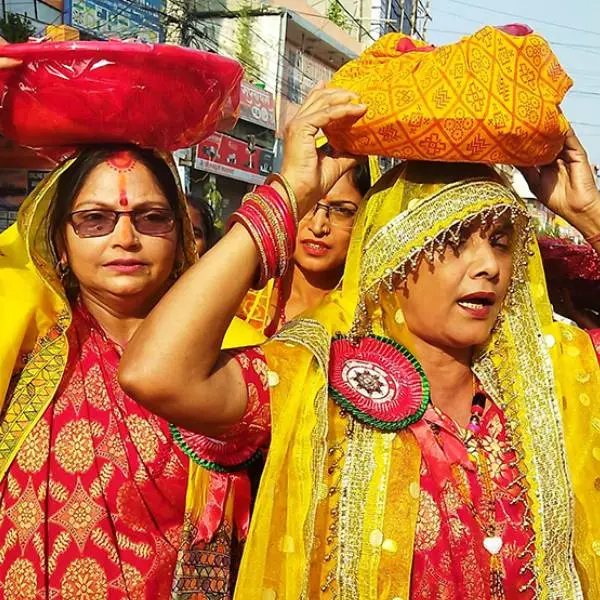
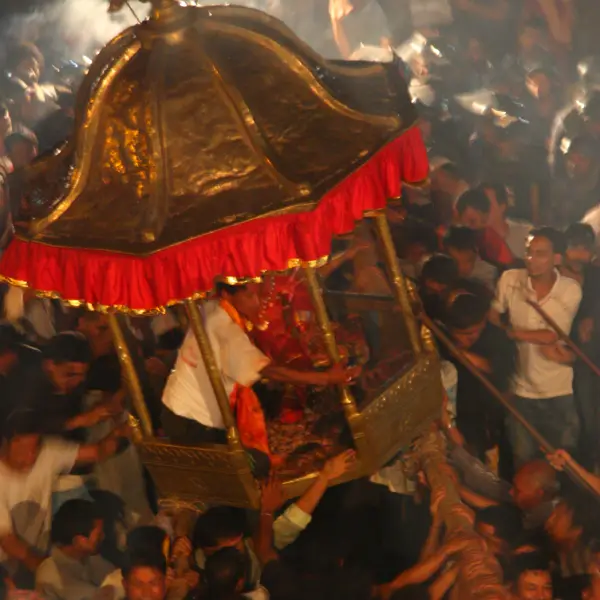
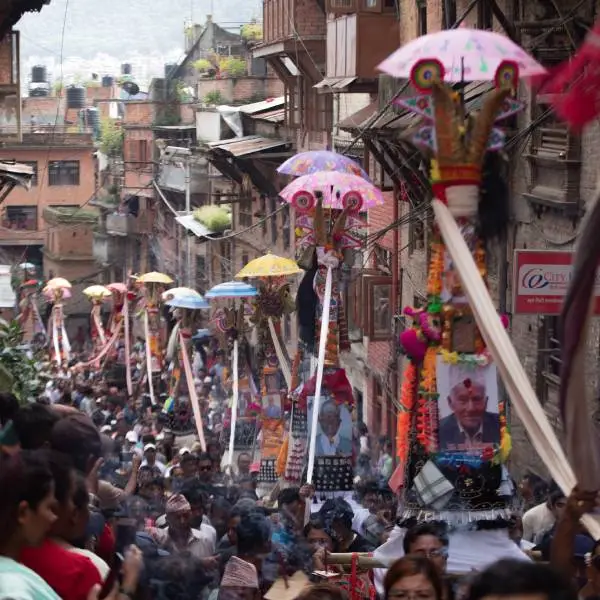
The Swayambar procession is one of the most visually memorable moments. Representations of Rama and Sita travel separately before meeting during the ceremony. In previous celebrations, Janaki’s palanquin has departed from Janaki Temple while Rama’s procession has come from the Ram Temple, with both eventually reaching the historic Bahrabigha, or Barha Bigha, ground. Large crowds gather to witness the meeting, followed by the ceremonial marriage.
Music gives the festival much of its emotional character. Traditional Maithili wedding songs, bhajans, chanting and Ramayana recitations can be heard around Janakpur during the celebration. Local cultural performances accompany religious ceremonies, while the decoration of homes, temples and streets makes the city feel less like the setting of a public event and more like a household preparing for the wedding of a beloved daughter. Nepal Tourism Board also highlights processions, devotional music and Maithili cultural performances as central elements of the festival.
That idea of Sita as a daughter of Mithila is important to understanding the atmosphere. Many local devotees do not experience Bibaha Panchami simply as the remembrance of distant mythology. The traditions give Sita’s marriage the emotional character of a daughter leaving her parental home, while Rama’s side is symbolically welcomed as the bridegroom’s family. This interpretation helps explain the warmth, hospitality and wedding customs visible throughout the festival.
Pilgrims travel to Janakpur from different parts of Nepal and India, including religious centres associated with Rama. Saints, priests and devotees join local residents during the week-long observance, strengthening the long-standing cultural relationship between Mithila communities on both sides of the international border. Recent celebrations have continued to attract visitors from Ayodhya and other Indian pilgrimage centres.
Bibaha Panchami is also an opportunity to experience Mithila culture beyond the main ceremonies. Janakpur is known for Mithila painting, colourful local markets, sacred ponds and traditional crafts. Ganga Sagar and Dhanush Sagar are among the historic water bodies associated with the city, while bazaars around the temple offer religious items, clothing, handicrafts and local food.
Travelers planning to attend should expect busy streets and very large gatherings around Janaki Mandir and Bahrabigha on the principal festival day. Arriving earlier in the week can provide a better opportunity to see the smaller rituals before the largest crowds arrive. Modest clothing is appropriate at religious sites, footwear rules should be respected at temples, and visitors should avoid blocking processions or ceremonial areas.
Photography can be particularly rewarding because of the decorated temples, wedding processions, traditional clothing and evening illumination. However, close photographs of priests, pilgrims or people involved in private acts of worship should be taken only after requesting permission. The ceremonies remain acts of faith, even when they attract large numbers of spectators.
At its heart, Bibaha Panchami in Nepal is not simply a reenactment of a famous marriage from the Ramayana. It is a living expression of Janakpur’s relationship with Sita, the wedding traditions of Mithila and the religious connection between Janakpur and Ayodhya. For several days, mythology is translated into familiar human experiences—welcoming guests, singing wedding songs, preparing a bride and groom, gathering relatives and celebrating a marriage. That combination of devotion and everyday cultural memory gives Bibaha Panchami its distinctive place among Nepal’s great festivals.