Yomari Punhi
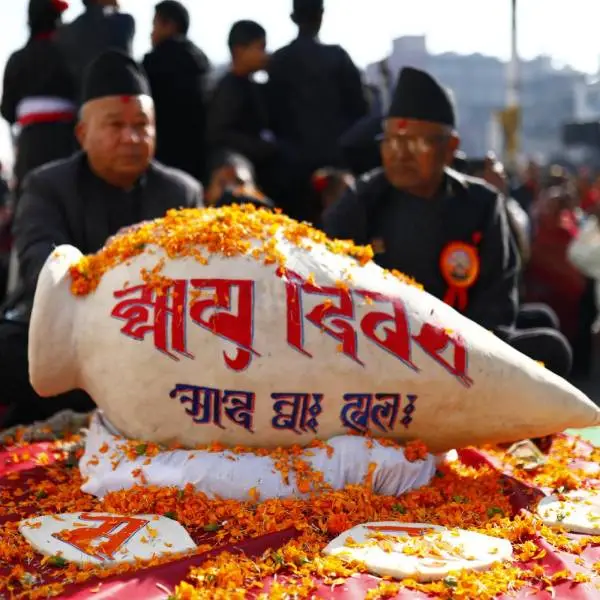
Yomari Punhi is a traditional Newar festival celebrated in the Kathmandu Valley, particularly among the Newar communities of Kathmandu, Patan, and Bhaktapur. Observed on the full moon day of the Nepali month of Mangsir (November–December), the festival marks the end of the rice harvest season and expresses gratitude for nature’s abundance. The name “Yomari Punhi” comes from two Newar words: “Yomari,” referring to a special steamed delicacy made from rice flour, and “Punhi,” meaning full moon. The festival is closely connected with agriculture, prosperity, and community traditions, reflecting the deep relationship between the Newar people and the land they have cultivated for generations. Through food, rituals, and family gatherings, Yomari Punhi celebrates gratitude, happiness, and cultural continuity.
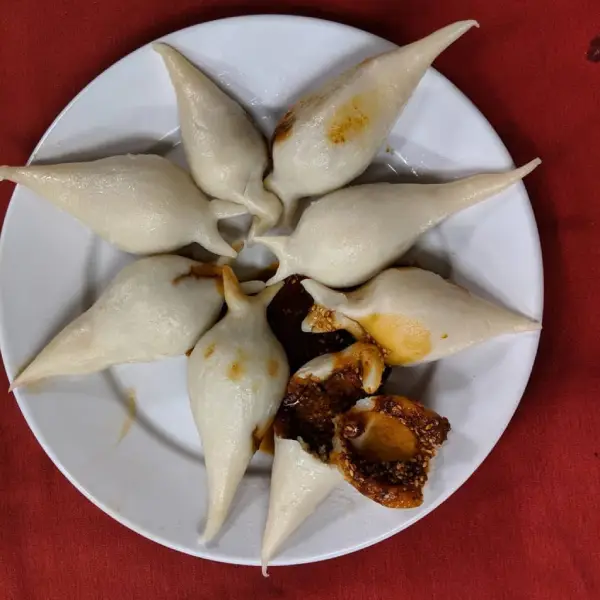
The heart of Yomari Punhi is the Yomari, a unique steamed dumpling prepared from freshly harvested rice flour. Traditionally shaped like a pointed cone, the Yomari is filled with sweet ingredients such as molasses (chaku) and sesame seeds, although modern variations may include different fillings. The distinctive shape of the Yomari is believed to represent prosperity and good fortune. Preparing Yomari is an important family activity, where elders teach younger generations the traditional methods of making this special food. The dish is not only enjoyed during the festival but also represents the agricultural heritage and culinary creativity of the Newar community. In 2016, Yomari was recognized as a significant part of Nepal’s cultural food heritage, further highlighting its importance.
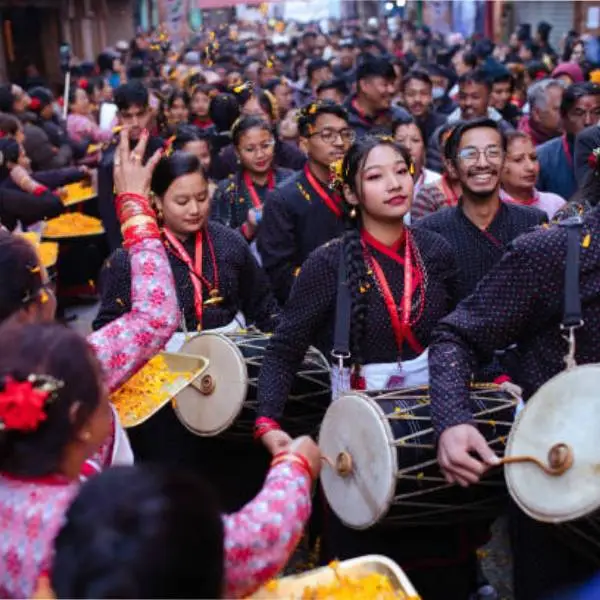
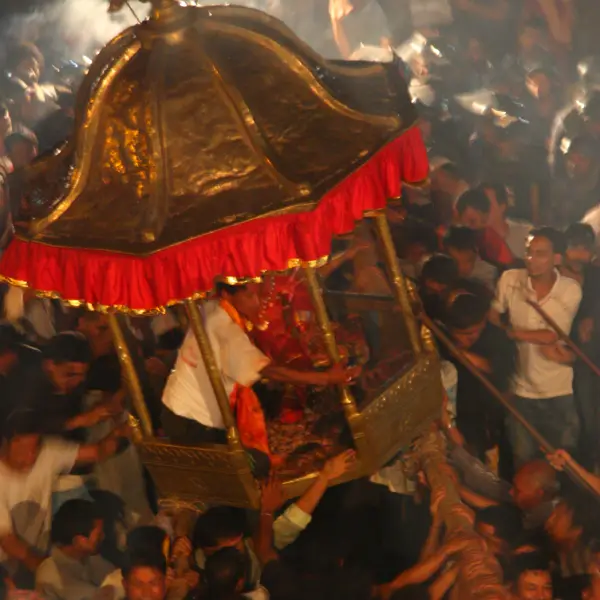
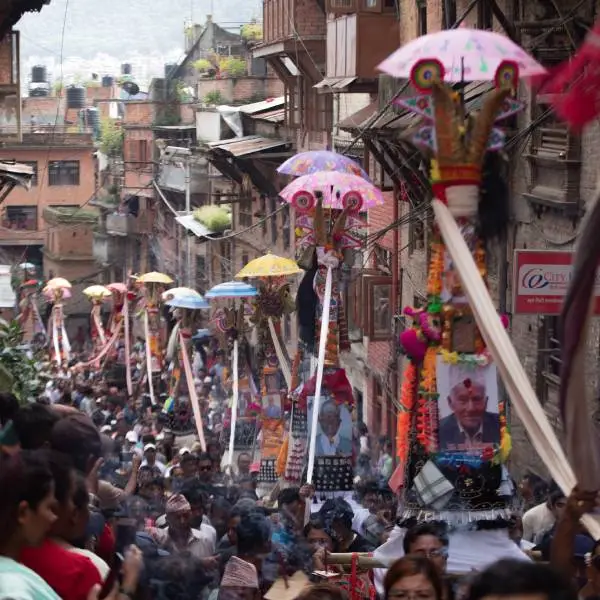
Yomari Punhi is celebrated with religious rituals, family gatherings, and community activities. On the festival day, families prepare fresh Yomari at home and offer them to household deities, ancestors, and guests before sharing them with family members. Special prayers are performed to seek blessings for prosperity, good health, and happiness. In many Newar communities, people also visit temples and participate in traditional ceremonies. One unique custom is the tradition of Yomari Phonégu, where children visit homes in their neighborhoods singing traditional songs and receiving Yomari as gifts. This practice creates a joyful atmosphere and encourages community bonding among different generations.
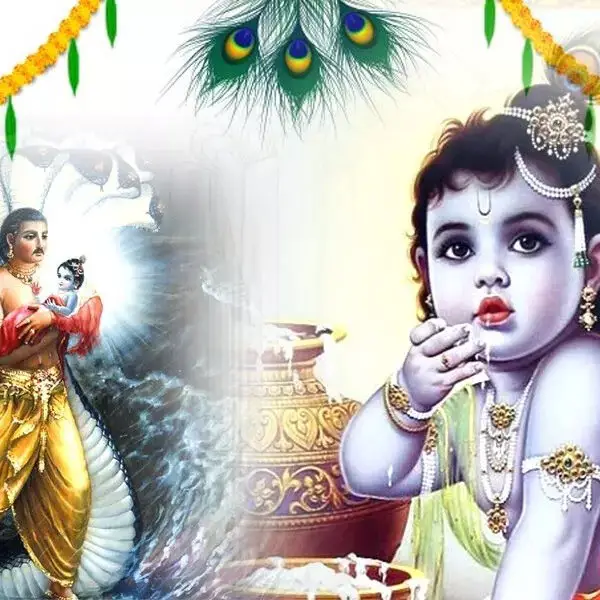
The legend of Yomari Punhi is closely associated with prosperity and divine blessings. According to Newar folklore, a couple named Suchandra and Krita discovered the method of preparing Yomari after receiving blessings from the god of wealth, Kubera, who appeared in human form. The couple offered the newly prepared food to the deity, and their generosity brought them prosperity and happiness. The story became connected with the tradition of offering Yomari during the harvest season as a symbol of gratitude and abundance. Although the details of the legend vary among communities, the central message remains the same: generosity, respect for nature, and appreciation for blessings received.
Yomari Punhi holds deep cultural and social significance for the Newar community. The festival preserves traditional knowledge related to agriculture, food preparation, and religious practices while strengthening family and community relationships. It reflects the importance of the rice harvest in traditional Newar society and honors the hard work of farmers who contribute to food production. The festival also provides an opportunity for younger generations to learn about their cultural heritage through participation in cooking, rituals, and celebrations. Beyond its religious meaning, Yomari Punhi represents togetherness, gratitude, and the preservation of Nepal’s diverse cultural identity.
For travelers, Yomari Punhi offers a wonderful opportunity to experience authentic Newar traditions and taste one of Nepal’s most unique traditional foods. Visitors can explore historic areas such as Patan Durbar Square, Bhaktapur Durbar Square, and Kathmandu’s traditional neighborhoods, where local communities celebrate the festival with food, rituals, and cultural activities. Travelers may have the chance to watch families preparing Yomari, sample freshly made delicacies, and learn about the agricultural traditions behind the celebration. Respectful participation is encouraged, and visitors should ask permission before photographing private family rituals or religious ceremonies. A local cultural guide can provide deeper insights into the history, symbolism, and traditions associated with Yomari Punhi.
Yomari Punhi is more than a food festival; it is a celebration of harvest, heritage, and community spirit. Through its delicious traditional delicacy, meaningful rituals, and joyful gatherings, the festival continues to preserve the unique identity of the Newar people. For visitors, experiencing Yomari Punhi provides a memorable introduction to Nepal’s living culture, where ancient traditions continue to thrive in modern times.