Tamu Lhosar
Tamu Lhosar is one of the most important cultural festivals of the Gurung (Tamu) community of Nepal, marking the beginning of the Gurung New Year. The word "Tamu" refers to the Gurung people, while "Lhosar" means "New Year" in the Tibetan-influenced Himalayan languages. Celebrated according to the lunar calendar, Tamu Lhosar usually takes place in December or January and welcomes the arrival of a new year with prayers, family reunions, traditional performances, and community celebrations. The festival represents a time of renewal, respect for ancestors, and appreciation of cultural heritage. Although it originated within the Gurung community, Tamu Lhosar has become a celebration admired throughout Nepal for its colorful traditions, traditional music, dances, and contribution to the country's multicultural identity.
The cultural and spiritual significance of Tamu Lhosar is deeply connected with the Gurung people's history, beliefs, and relationship with nature. The festival is a time to honor ancestors, seek blessings for the coming year, and strengthen bonds between families and communities. Many Gurung traditions are influenced by Tibetan Buddhism, along with ancient spiritual practices that respect natural forces and ancestral spirits. During Lhosar, people express gratitude for the past year and pray for health, prosperity, harmony, and happiness in the year ahead. The celebration also plays an important role in preserving the Gurung language, traditional clothing, music, dances, and customs, ensuring that younger generations remain connected with their cultural roots.
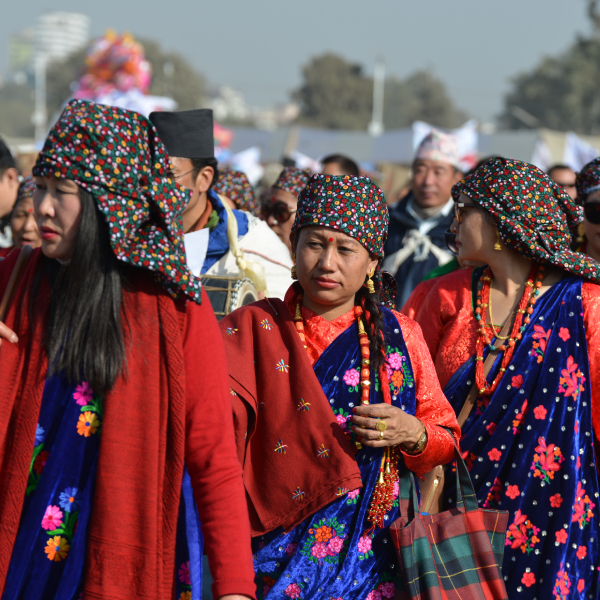
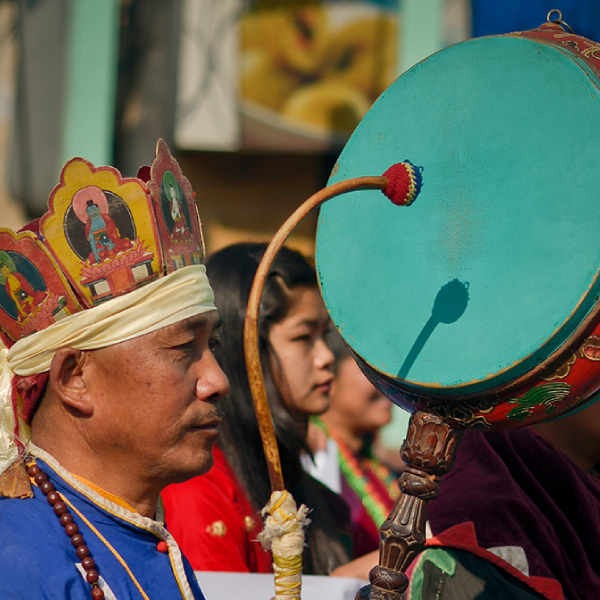
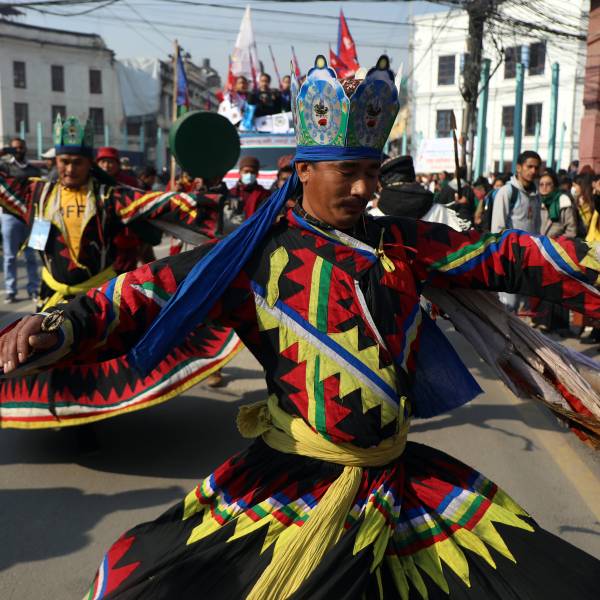
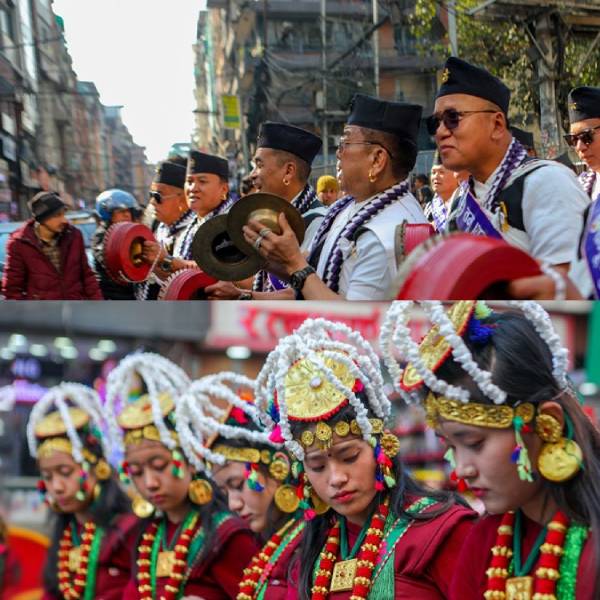
The celebration of Tamu Lhosar begins with families cleaning and decorating their homes to welcome positive energy and good fortune. People gather with relatives, especially elders, to exchange greetings, receive blessings, and share traditional meals. A key feature of the festival is the display of traditional Gurung attire, with people wearing vibrant dresses, traditional jewelry, and cultural accessories that beautifully showcase their heritage and identity. Traditional dances and musical performances bring the celebration to life, with instruments such as the Madalu drum and other traditional instruments accompanying songs and dances. The famous Ghantu dance and other Gurung cultural performances are often presented during public celebrations, telling stories of history, daily life, and ancestral traditions.
Religious and spiritual activities are also an important part of Tamu Lhosar. Many people visit monasteries, temples, or community religious centers to offer prayers, light butter lamps, and receive blessings from spiritual leaders. In some communities, special rituals are performed to honor ancestors and seek protection from negative influences. Community feasts are another essential aspect of the festival, bringing people together to enjoy traditional Gurung dishes, share stories, and celebrate unity. Foods such as sel roti, khasi ko masu (goat meat), traditional breads, and local delicacies are often prepared during the festivities.
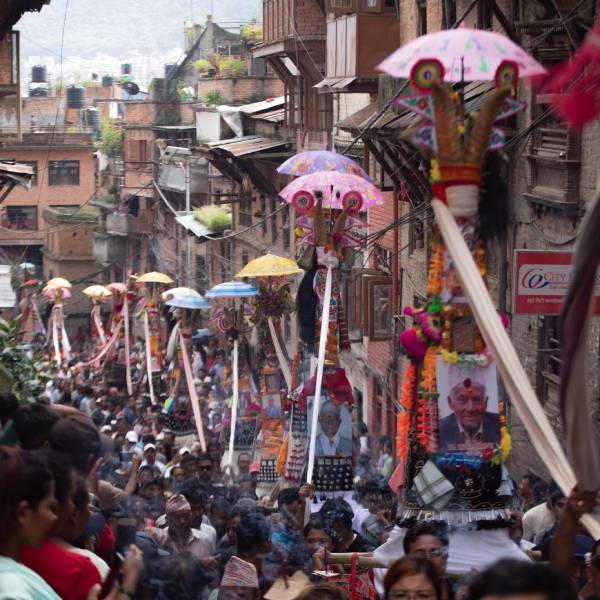
Tamu Lhosar is celebrated across Nepal, particularly in regions where Gurung communities have a strong presence. The festival is especially vibrant in Lamjung, Kaski, Gorkha, Tanahun, Syangja, and Mustang, where many Gurung villages continue to preserve traditional celebrations. In the Kathmandu Valley, large gatherings are organized in areas such as Tundikhel, where thousands of people participate in cultural programs featuring traditional dances, music, food stalls, and exhibitions. Pokhara, home to a large Gurung population, is another major center for Tamu Lhosar celebrations, attracting both local residents and visitors who wish to experience Gurung culture.
The Gurung community, also known as the Tamu community, has a rich cultural history shaped by its Himalayan environment, traditional lifestyle, and strong social values. Historically, Gurung people have been known for their farming traditions, mountain livelihoods, and service in various fields, including the famous Gurkha military tradition. Their culture is reflected in their language, traditional clothing, folk songs, dances, architecture, and community-based lifestyle. Festivals like Tamu Lhosar play an important role in maintaining this heritage while allowing Gurung communities to celebrate their identity with pride.
For travelers, Tamu Lhosar provides a wonderful opportunity to experience one of Nepal's most authentic cultural celebrations. Visitors can participate in public events in Kathmandu and Pokhara or travel to Gurung villages to enjoy a more traditional experience. The festival offers opportunities to witness colorful costumes, traditional dances, local cuisine, and warm community hospitality. Travelers should respect local customs, dress appropriately when visiting religious sites, and ask permission before photographing people or ceremonies. A local guide can provide deeper insights into the meaning of the rituals, cultural performances, and history of the Gurung people.
Tamu Lhosar is more than a New Year festival; it is a celebration of heritage, family, spirituality, and community unity. Through music, dance, rituals, and gatherings, the festival continues to preserve the traditions of the Gurung people while enriching Nepal's diverse cultural landscape. For visitors, experiencing Tamu Lhosar offers a memorable journey into the heart of Nepal's Himalayan culture and the timeless traditions of the Tamu community.