Yanlā (ञला)
Yanlā (ञला) is one of the most culturally significant months in the Nepal Era calendar, celebrated mainly by the Newar community of the Kathmandu Valley. This special month represents a unique combination of religious devotion, traditional celebrations, cultural performances, and community gatherings. Falling around the months of August–September in the Gregorian calendar, Yanlā is considered a time when ancient traditions come alive through vibrant festivals, processions, prayers, and rituals.
The word Yanlā refers to the eleventh month of the Nepal Sambat calendar, which is deeply connected with the cultural heritage of the Newar people. The month begins with the new moon and continues with various religious and cultural activities throughout the lunar period. During this time, communities across Kathmandu Valley participate in ceremonies dedicated to deities, ancestors, and spiritual practices, making Yanlā an important period for preserving Nepal’s centuries-old traditions.
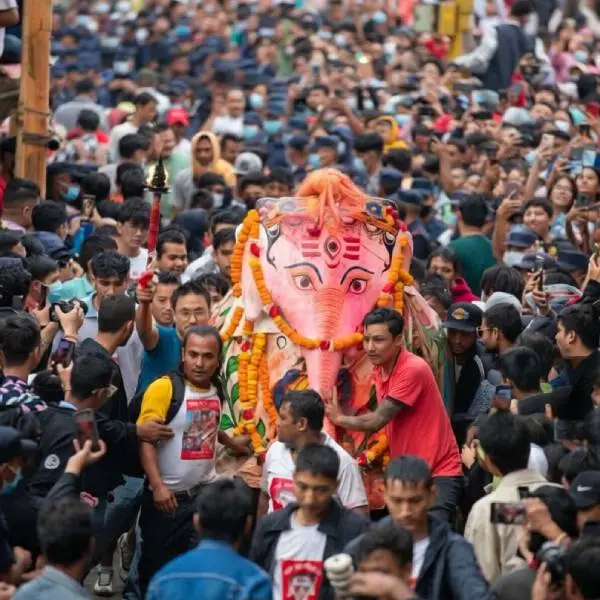
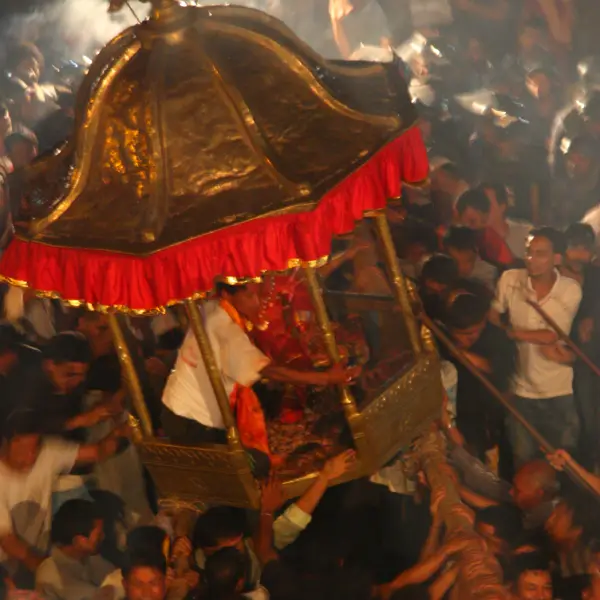
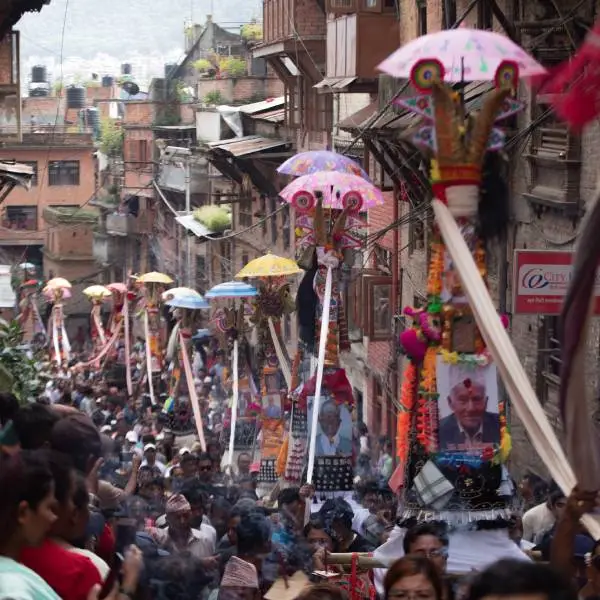
One of the major highlights of Yanlā is Yenyā (येँयाः), also known as Indra Jatra, one of the biggest and most spectacular festivals of Kathmandu. The festival transforms the historic streets of Kathmandu into a lively celebration filled with chariot processions, traditional dances, music performances, and religious rituals. It is celebrated in honor of Lord Indra, the Hindu god of rain and heaven, and reflects the deep connection between mythology, history, and local culture.
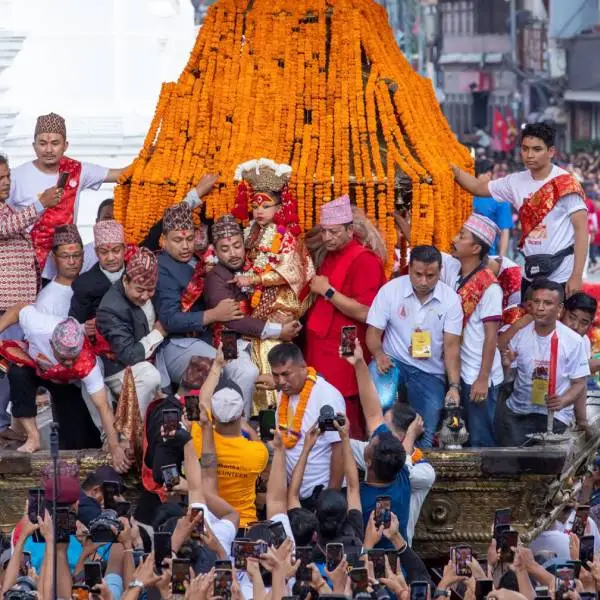
During Indra Jatra, thousands of locals and visitors gather in Kathmandu Durbar Square to witness the grand procession of the living goddess Kumari. The Kumari, considered a sacred representation of the goddess Taleju, is carried through the streets in a beautifully decorated chariot. This rare cultural experience allows visitors to witness one of Nepal’s most fascinating traditions, where ancient beliefs and living heritage continue to exist together.
Another important feature of Yanlā celebrations is the traditional masked dances performed by cultural groups. These performances represent various gods, goddesses, and mythical characters from Nepal’s rich religious stories. Dancers wearing colorful costumes and masks perform in public squares, creating a unique atmosphere filled with music, spirituality, and excitement. These traditional performances are not only entertainment but also a way of passing cultural knowledge from one generation to another.
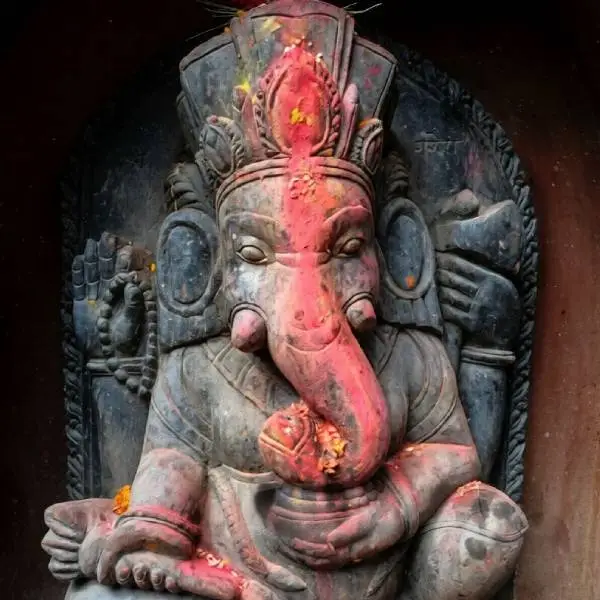
The festival period also includes important religious observances such as Chathā (Ganesh Chaturthi), which falls during the Yanlā month. Devotees worship Lord Ganesh by offering prayers and rituals at homes and local shrines. Families gather together, prepare traditional foods, and seek blessings for prosperity, success, and protection.
Yanlā is especially meaningful because it represents the harmony between different religious traditions in Nepal. The festival includes elements of both Hindu and Buddhist practices, reflecting the unique cultural diversity of the Kathmandu Valley. Temples, monasteries, courtyards, and ancient settlements become centers of devotion and celebration during this period.
For travelers visiting Nepal, experiencing Yanlā provides an opportunity to explore the country beyond its mountains and landscapes. It offers a deeper understanding of Nepal’s living culture, traditional architecture, religious beliefs, and community lifestyle. Walking through the historic streets of Kathmandu during Yanlā allows visitors to witness centuries-old customs that are still practiced today.
The festival is also an excellent opportunity for photographers, culture enthusiasts, and heritage travelers. The colorful costumes, traditional music, beautifully decorated chariots, and ancient city surroundings create unforgettable moments. Every corner of Kathmandu reflects stories of history, spirituality, and artistic expression during this special month.
Food is another important part of Yanlā celebrations. Families prepare traditional Newari dishes and share meals with relatives and community members. Local markets become more vibrant as people purchase festival items, flowers, decorations, and traditional ingredients. These gatherings strengthen social connections and highlight the importance of community values in Nepalese culture.
The significance of Yanlā extends beyond a single festival; it represents the preservation of Nepal’s identity and heritage. In a rapidly changing world, celebrations like Yanlā help maintain ancient customs, languages, art forms, and traditions. They remind younger generations about their cultural roots and encourage them to continue the legacy of their ancestors.
For travelers seeking an authentic cultural experience in Nepal, visiting during Yanlā offers a rare chance to witness one of the country’s most extraordinary celebrations. From sacred rituals and traditional dances to historic processions and community gatherings, Yanlā reveals the spiritual heart of Kathmandu Valley.
With its combination of history, devotion, art, and social connection, Yanlā remains one of Nepal’s most treasured cultural periods. It is not only a festival but also a celebration of Nepal’s living heritage, bringing together communities, preserving traditions, and offering visitors a memorable journey into the soul of Nepal.