Tulsi Vivah
Tulsi Vivah is a deeply rooted Hindu tradition observed in homes and temples across Nepal. The ceremony treats the sacred Tulsi plant as a bride and symbolically joins her with Lord Vishnu, commonly represented as Damodar. In Nepal, the occasion is closely associated with Haribodhini Ekadashi, one of the most important Ekadashi observances of the year. Families decorate their Tulsi shrine, light lamps, perform puja, observe fasting, and complete rituals that began several months earlier. In 2026, Tulsi Vivah falls on 20 November, corresponding to Mangsir 4, 2083 B.S.
The story of Tulsi Vivah is tied to Nepal’s annual cycle of Tulsi worship. The process begins well before the November ceremony. On Nirjala Ekadashi, families traditionally prepare Tulsi seedlings. They are later transplanted into the household Tulsi shrine on Harishayani Ekadashi. From that point onward, the plant receives special worship throughout the four-month period known as Chaturmas. In 2026, Harishayani Ekadashi was observed on 25 July, when households across Nepal transplanted Tulsi plants and began the seasonal worship.
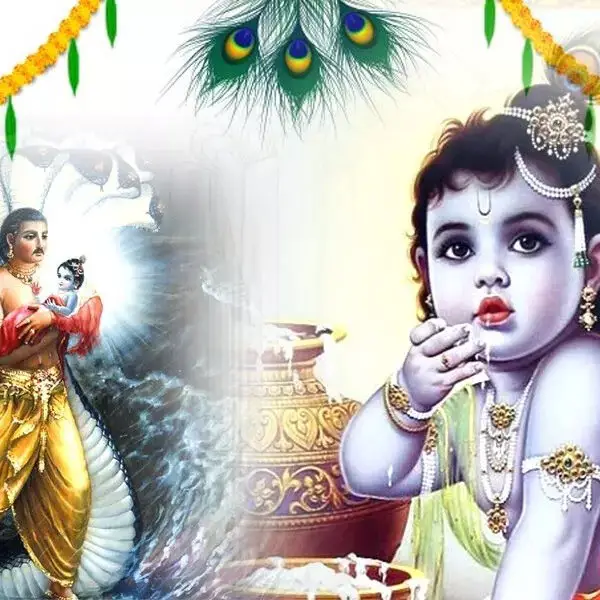
According to Hindu belief, Harishayani Ekadashi marks the beginning of Lord Vishnu’s period of cosmic rest. Haribodhini Ekadashi signals his awakening four months later. The symbolic marriage of Tulsi and Vishnu therefore gives the day a joyful character after months of prayer, restraint, and religious observance. Nepal News records the traditional practice of ceremonially marrying Tulsi to Damodar, a form of Vishnu, on Kartik Shukla Ekadashi.
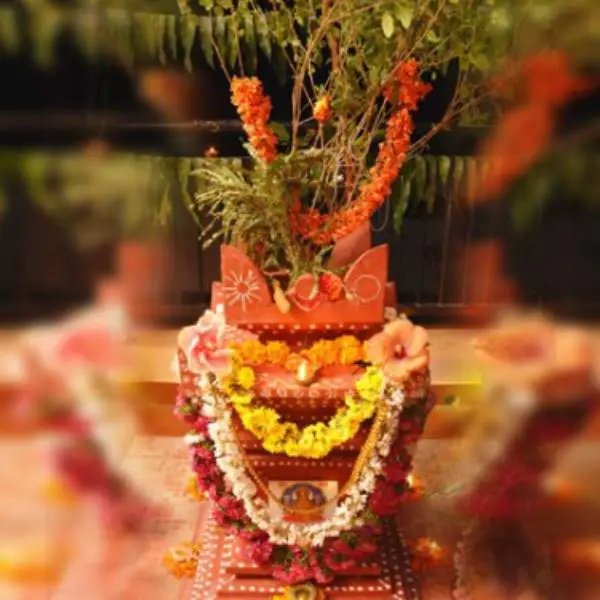
Much of the celebration takes place inside the home rather than at a large public festival ground. The Tulsi Math, the raised structure in which the plant grows, becomes the centre of attention. Families clean and decorate the area before worship begins. Flowers, lamps, incense, fruits, sacred threads, colours, and other ritual materials may be arranged around the plant. The appearance of the Tulsi shrine can resemble a miniature wedding setting, giving an intimate family ceremony the atmosphere of a sacred marriage.
The ritual itself varies between households and regional traditions. Tulsi is treated symbolically as the bride, while Vishnu or Damodar represents the groom. Family members perform puja, make offerings, recite prayers, and participate in ceremonial actions associated with the union. Some traditions also connect Tulsi with the Peepal tree, another plant treated with great reverence within Hindu culture. Hamro Patro describes Tulsi Vivah as a symbolic sacred union performed during Haribodhini Ekadashi.
Fasting is another important element. Devotees observing Haribodhini Ekadashi may avoid rice and ordinary meals, choosing fruits and permitted fasting foods instead. Some people maintain Ekadashi fasting practices throughout the year, while others concentrate especially on Harishayani and Haribodhini Ekadashi because these two days define the beginning and conclusion of Chaturmas.
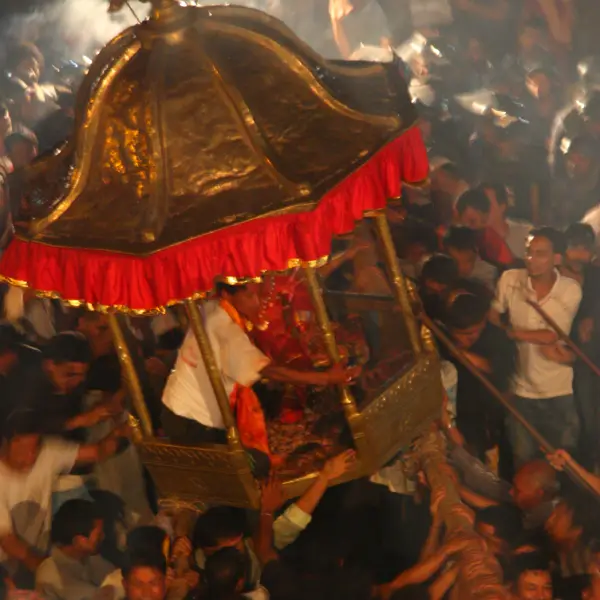
Temples dedicated to Vishnu also become particularly busy. Budhanilkantha Temple in Kathmandu receives large numbers of devotees on Haribodhini Ekadashi, and worshippers also visit Narayan temples elsewhere in the Kathmandu Valley and across Nepal. People arrive for darshan, prayers, lamp offerings, fasting rituals, and Tulsi worship. During the 2025 observance, Budhanilkantha saw large crowds from early morning as devotees gathered for Vishnu worship and Tulsi Vivah ceremonies.
The religious atmosphere is noticeably different from festivals built around loud processions or chariot pulling. Tulsi Vivah is often more personal. A courtyard illuminated by small oil lamps, family members gathered around the Tulsi Math, the scent of incense, devotional songs, and carefully arranged offerings create the setting. In larger temples, bhajan, kirtan, collective prayer, and darshan add a community dimension to the occasion.
The festival also demonstrates the special position of Tulsi, or holy basil, in Nepali Hindu households. The plant commonly occupies a dedicated space in courtyards or near homes and is worshipped throughout the year. Water may be offered in the morning, lamps lit nearby, and leaves used in religious offerings. Tulsi Vivah gives this everyday household presence ceremonial importance by transforming the familiar plant into the central figure of a sacred wedding.
For travelers, experiencing Tulsi Vivah provides a quieter view of religious life in Nepal. There is no single location that represents the entire festival. Visiting Budhanilkantha or another Vishnu temple can reveal the public devotional side, while residential neighborhoods may show beautifully decorated Tulsi shrines. Because many ceremonies take place within private homes, visitors should never enter courtyards or photograph household worship without permission.
Travelers should also distinguish Nepal’s calendar from festival dates published for neighboring countries. Many Indian calendars observe Tulsi Vivah on Kartik Shukla Dwadashi, which can produce a different Gregorian date. In Nepal, the widely followed Panchanga tradition associates Tulsi Vivah directly with Haribodhini Ekadashi, placing the 2026 celebration on 20 November.
At its core, Tulsi Vivah in Nepal turns an ordinary household courtyard into a sacred ceremonial space. A plant cared for throughout the year becomes a bride, Vishnu is welcomed after his symbolic four-month rest, and families complete a cycle of worship that began in the monsoon season. Through lamps, fasting, prayer, decoration, and a symbolic wedding, the festival preserves a tradition where nature, family life, and devotion remain closely connected.