Tihar
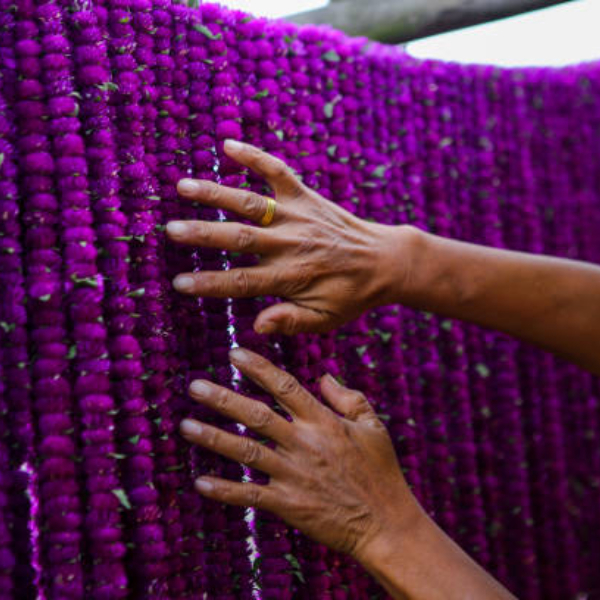
Tihar, widely known as the Festival of Lights, is among the most cherished and vibrant festivals celebrated throughout Nepal. It is a five-day Hindu festival dedicated to honoring animals, deities, family relationships, and the bond between humans and nature. Usually celebrated during the Nepali month of Kartik (October–November), Tihar fills homes, streets, and neighborhoods with colorful decorations, oil lamps, candles, flowers, and traditional music. Unlike many festivals focused on a single religious figure, Tihar celebrates multiple forms of respect and gratitude, including worship of crows, dogs, cows, Goddess Laxmi, and the relationship between brothers and sisters. The festival represents prosperity, happiness, harmony, and the victory of light over darkness.
The legends of Tihar are connected with various Hindu beliefs and stories. One popular belief associates the festival with Goddess Laxmi, the goddess of wealth and prosperity. According to tradition, Laxmi visits homes during Tihar, and families clean and decorate their houses with lights and flowers to welcome her blessings. Another important story relates to Yama, the god of death, and his sister Yamuna. According to legend, Yamuna invited her brother Yama to her home during the festival and performed special rituals for his well-being. Touched by her devotion, Yama granted her a blessing that brothers and sisters who celebrate this bond with love and respect would enjoy happiness and longevity. This story is the foundation of Bhai Tika, the final day of Tihar.
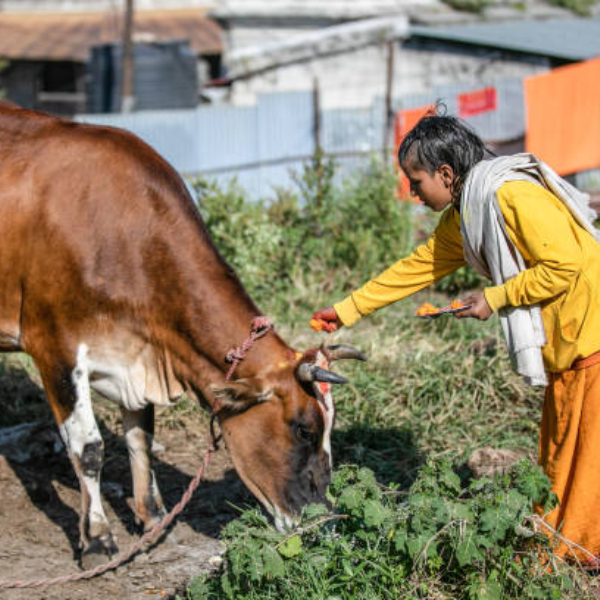
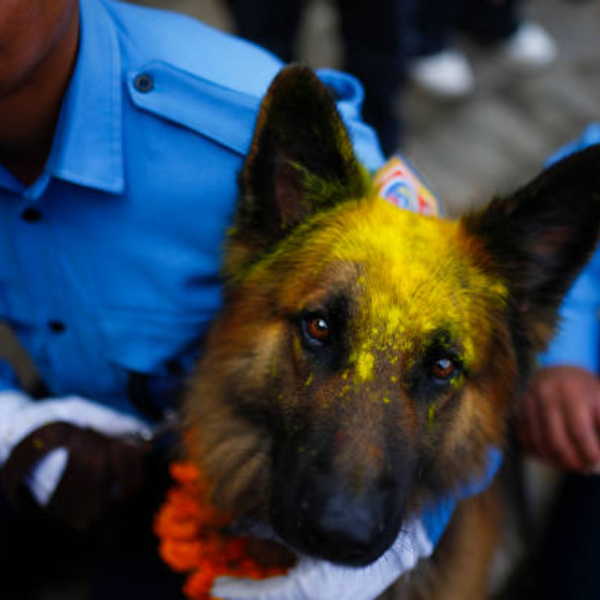
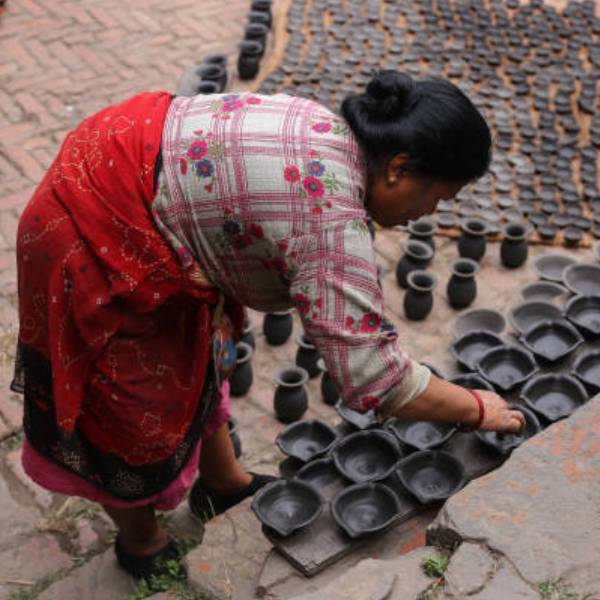
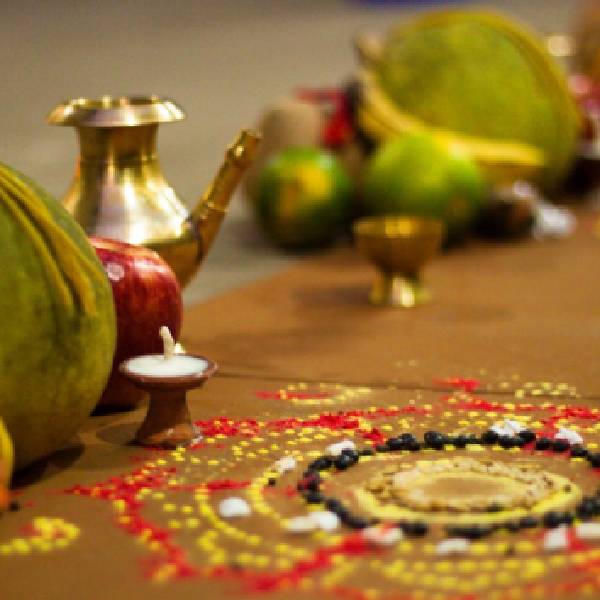
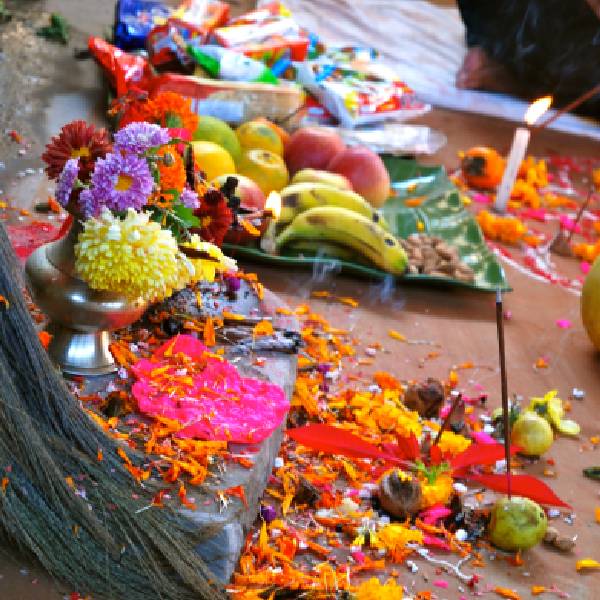
The first day of Tihar is known as Kaag Tihar, or Crow Worship Day. Crows are considered messengers of Yama, and people offer food on rooftops or outside their homes to honor them and seek protection from negative events. The second day is Kukur Tihar, a unique tradition where dogs are worshipped as symbols of loyalty, friendship, and protection. People decorate dogs with flower garlands, apply tika on their foreheads, and offer them special food. The third day is Gai Tihar and Laxmi Puja, when cows are honored as sacred animals and Goddess Laxmi is worshipped as the goddess of wealth. Homes and businesses are decorated with oil lamps, candles, and colorful rangoli designs to invite prosperity and good fortune.
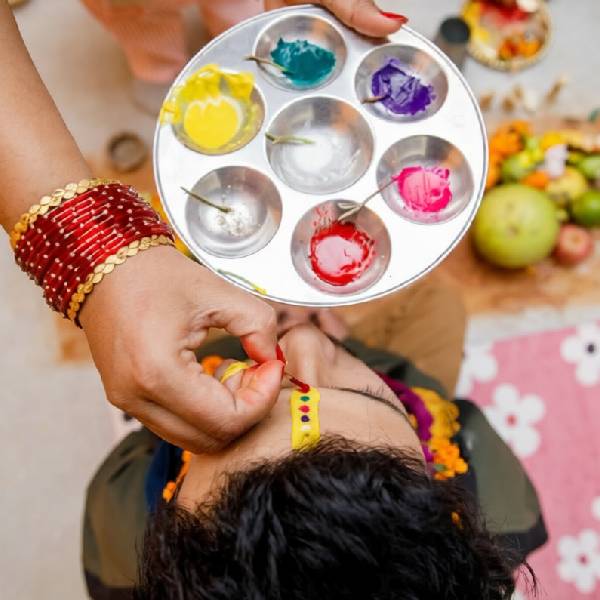
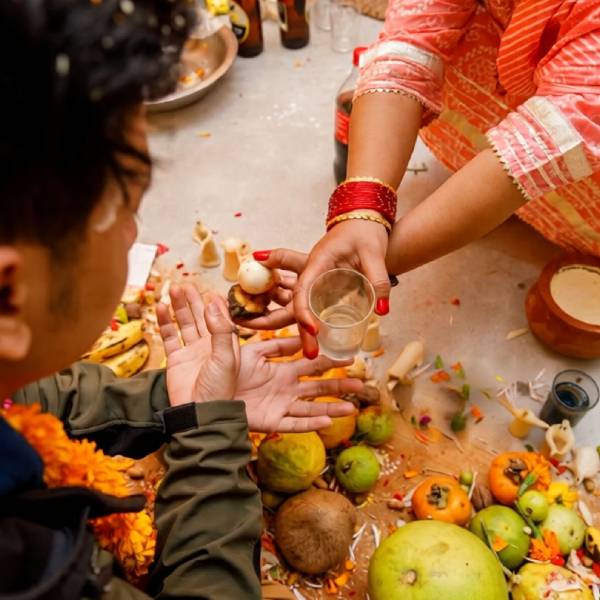
The fourth day of Tihar is celebrated in different ways depending on cultural traditions. Many communities observe Govardhan Puja, Goru Tihar, or Mha Puja. In Mha Puja, especially among the Newar community, individuals worship themselves as a celebration of self-purification, inner strength, and spiritual well-being. The fifth and final day is Bhai Tika, one of the most meaningful parts of Tihar. Sisters place a special multi-colored tika on their brothers’ foreheads, offer garlands and blessings, and pray for their long lives and prosperity. Brothers, in return, give gifts and promise to protect and support their sisters. This ritual strengthens the emotional bond between siblings and celebrates family relationships.
One of the most joyful traditions of Tihar is Deusi and Bhailo, where groups of people visit homes in their communities singing traditional songs and performing dances. Deusi is traditionally performed by men, while Bhailo is usually performed by women, although today both are enjoyed by everyone. Participants sing blessings for prosperity and happiness while receiving gifts, money, and traditional treats from households. These gatherings create a lively atmosphere filled with music, laughter, and community interaction. The tradition also encourages generosity, cooperation, and social connection among neighbors.
Tihar holds deep cultural and social significance in Nepalese society. The festival teaches respect for all living beings, gratitude toward nature, and the importance of family relationships. The worship of animals highlights the close connection between humans and the natural world, while the lights and decorations symbolize hope, positivity, and the triumph of good over negativity. Tihar also provides an opportunity for communities to come together, preserve traditional music and rituals, and pass cultural values from one generation to another.
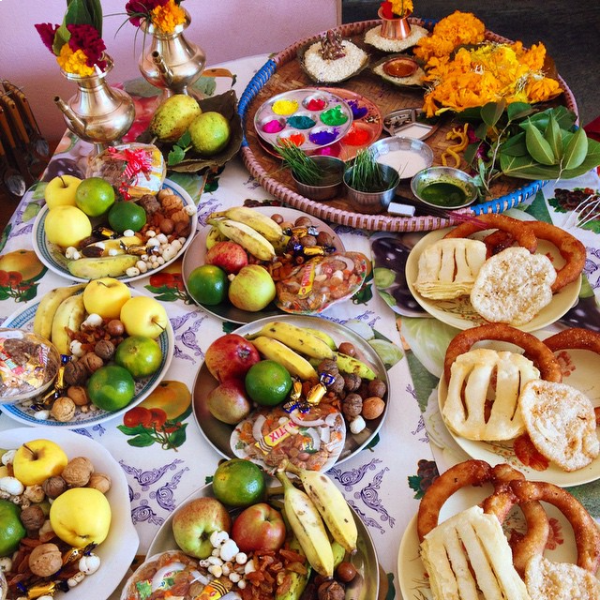
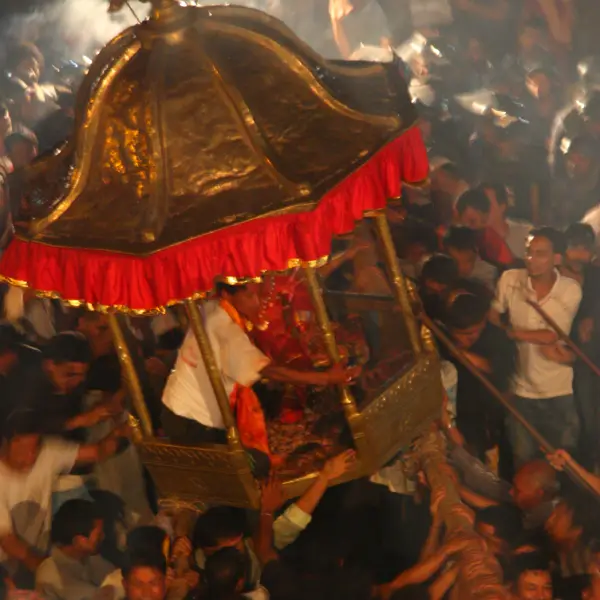
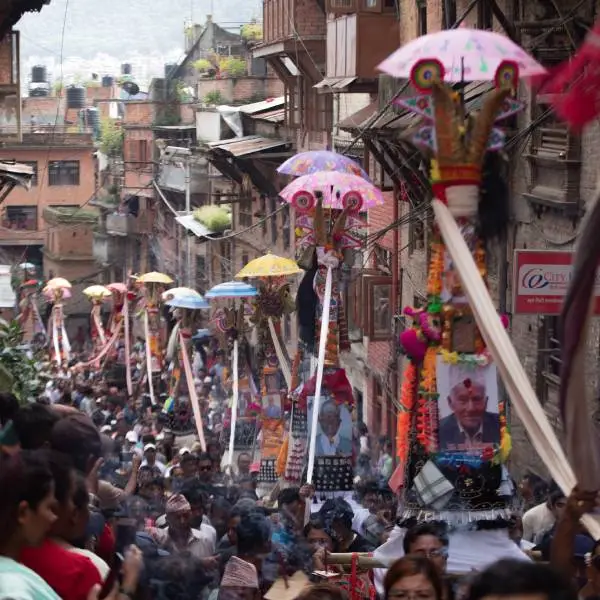
For travelers, Tihar offers one of the most memorable cultural experiences in Nepal. Visitors can witness beautifully decorated homes, streets illuminated with oil lamps, traditional performances, and the joyful atmosphere of Deusi and Bhailo celebrations. Kathmandu Valley, especially areas such as Kathmandu, Patan, and Bhaktapur, provides excellent opportunities to experience the festival alongside local communities. Travelers can enjoy traditional foods, observe rituals, and learn about Nepalese customs during this special time. Visitors should respect religious practices, ask permission before photographing ceremonies, and participate thoughtfully in community celebrations.
Tihar is more than a festival of lights; it is a celebration of gratitude, compassion, family, and harmony. Through its unique traditions and colorful rituals, Tihar reflects the heart of Nepalese culture and continues to bring people together in the spirit of love, respect, and happiness.