Teej
Teej is one of the most important and widely celebrated Hindu festivals in Nepal, dedicated primarily to Goddess Parvati and her devotion to Lord Shiva. Celebrated mainly by Hindu women, Teej is a festival of love, devotion, marital harmony, and spiritual purification. It usually takes place during the Nepali month of Bhadra (August–September), during the monsoon season when the landscape of Nepal is lush and green. The festival lasts for several days and includes fasting, prayers, traditional songs, dances, and gatherings among women. Teej is not only a religious occasion but also a vibrant cultural celebration that reflects Nepalese traditions, family values, and the important role of women in preserving cultural heritage.
The legend of Teej is closely associated with the story of Goddess Parvati and Lord Shiva. According to Hindu mythology, Parvati deeply loved Lord Shiva and performed intense prayers and severe penance for many years to win his acceptance as her husband. Her dedication and devotion eventually pleased Lord Shiva, and their union became a symbol of true love, commitment, and spiritual connection. It is believed that women celebrate Teej in remembrance of Parvati’s devotion and seek her blessings for a happy married life, the well-being of their families, and personal strength. The festival also symbolizes patience, determination, and the power of faith.
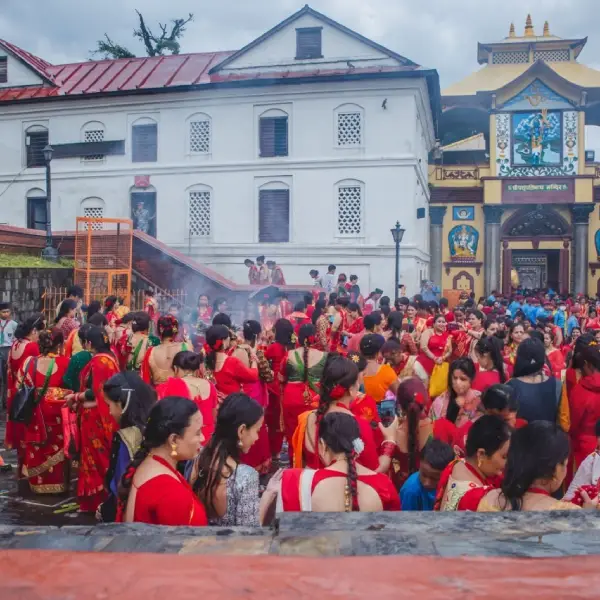
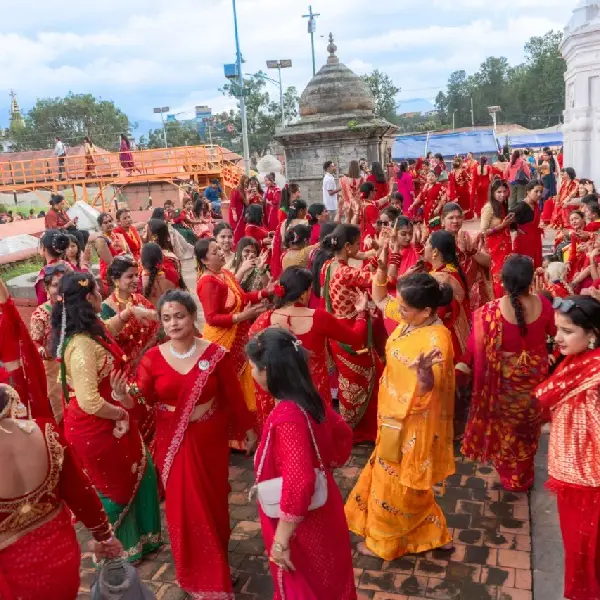
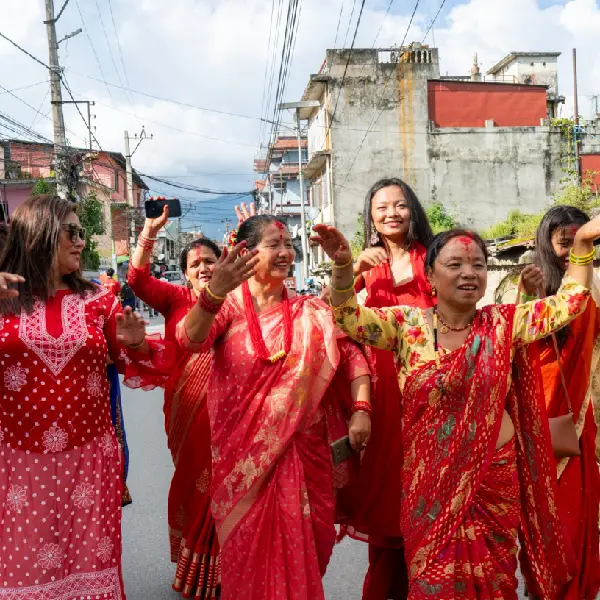
Teej celebrations begin with Dar Khane Din, the day before the main festival, when women gather with family members and friends to enjoy a special feast. Traditional foods, sweets, and delicious homemade dishes are prepared, and women celebrate together through singing and dancing. The following day, many women observe a strict fast, some without food and water, as an expression of devotion and prayer. They dress in beautiful red sarees, decorate themselves with jewelry, apply henna (mehndi) on their hands, and visit temples dedicated to Lord Shiva. The sound of traditional Teej songs and dances fills the streets as women gather in groups to celebrate their faith and cultural identity.
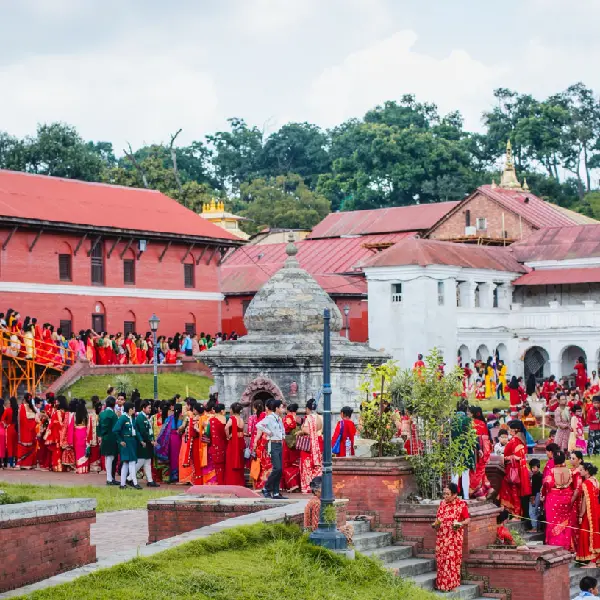
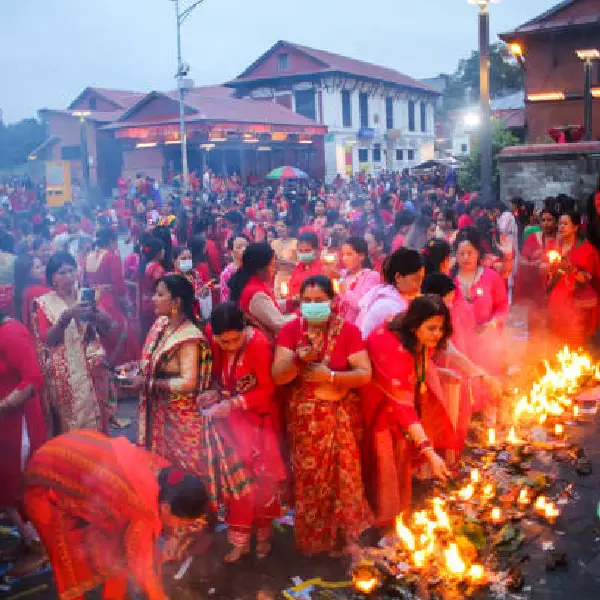
The main religious activities of Teej include prayers and offerings at Shiva temples, especially Pashupatinath Temple in Kathmandu, one of the most important pilgrimage sites for Hindu devotees. Thousands of women visit the temple wearing red clothing, carrying offerings of flowers, fruits, incense, and holy items. They perform rituals, listen to religious stories, and pray for the health, happiness, and longevity of their husbands and families. Unmarried women also participate in Teej prayers, seeking blessings for a suitable life partner and a prosperous future. The final day, known as Rishi Panchami, involves purification rituals and prayers honoring ancient sages.
The significance of Teej extends beyond religious devotion. The festival provides an important opportunity for women to come together, share experiences, strengthen friendships, and celebrate their identity within society. Traditional Teej songs often express emotions related to family, relationships, social issues, and personal experiences, making them an important form of cultural expression. The festival also highlights Nepal’s artistic traditions through colorful clothing, music, dance, and community gatherings. Over time, Teej has evolved into a broader celebration of womanhood, resilience, and social connection.
Teej is celebrated throughout Nepal, with regional variations in customs and traditions. In the Kathmandu Valley, large gatherings take place at temples and public spaces, with Pashupatinath becoming the center of major celebrations. In the hilly regions, village communities organize traditional gatherings where women sing folk songs, dance together, and celebrate with local customs. In the Terai region, Teej is observed with religious rituals, family gatherings, and cultural programs influenced by local traditions. Although celebrations differ from one region to another, the central themes of devotion, family, and community remain the same.
For travelers, Teej offers a fascinating opportunity to experience Nepal’s living culture and observe one of the country’s most colorful festivals. Visitors can witness the vibrant atmosphere at Pashupatinath Temple, explore local neighborhoods, and enjoy traditional music and dance performances. Travelers should dress respectfully when visiting religious sites, avoid interrupting ceremonies, and ask permission before photographing participants, especially during personal rituals. A local guide can help explain the symbolism behind the fasting traditions, temple rituals, and cultural practices associated with Teej.
Teej is more than a religious festival, it is a celebration of devotion, tradition, and the strength of community. Through prayers, songs, dances, and gatherings, it continues to preserve Nepal’s cultural heritage while providing a meaningful expression of faith, family, and social unity. For visitors, experiencing Teej offers a deeper understanding of Nepalese traditions and the important cultural values that continue to shape everyday life.