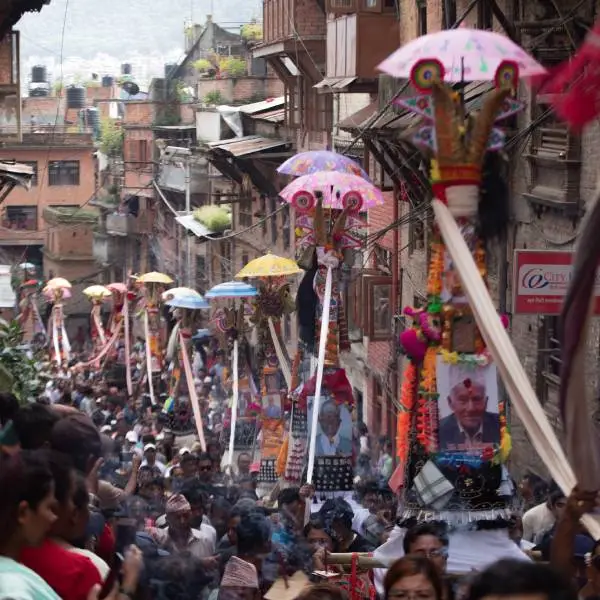
Sonam Lhosar
Sonam Lhosar is one of the most important cultural festivals celebrated by the Tamang community of Nepal, marking the beginning of the Tamang New Year. The word "Lhosar" means "New Year," where "Lho" refers to a year and "Sar" means new or fresh. Celebrated according to the lunar calendar, Sonam Lhosar usually falls during January or February and welcomes the arrival of a new year with prayers, family gatherings, traditional music, dances, and community celebrations. The festival is a time for renewal, gratitude, and honoring cultural traditions passed down through generations. While it is primarily associated with the Tamang people, Sonam Lhosar has become an important celebration of Nepal's multicultural identity, reflecting the country's diverse ethnic heritage and traditions.
The cultural significance of Sonam Lhosar extends beyond simply marking the start of a new year. For the Tamang community, it represents a time to strengthen family bonds, preserve ancestral traditions, and express respect toward elders and spiritual beliefs. The festival is deeply connected with Buddhist values, including compassion, harmony, and gratitude. During this period, people reflect on the past year, seek blessings for the year ahead, and wish for peace, prosperity, and good fortune. Sonam Lhosar also plays an important role in preserving the Tamang language, traditional clothing, music, dances, and customs, especially among younger generations living in rapidly changing urban environments.
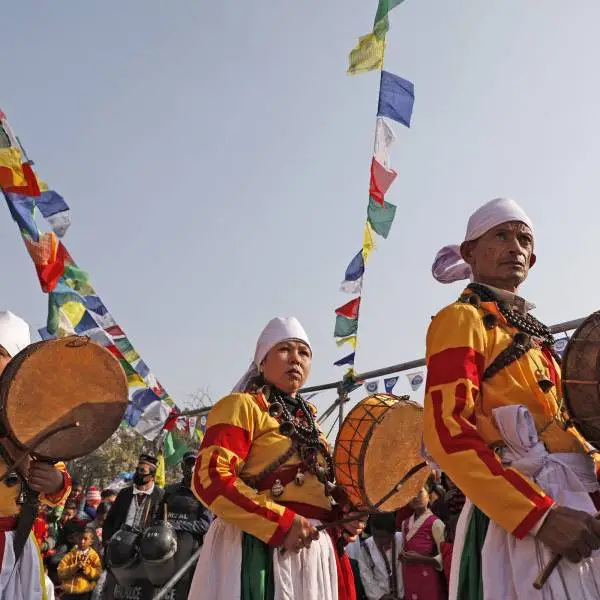
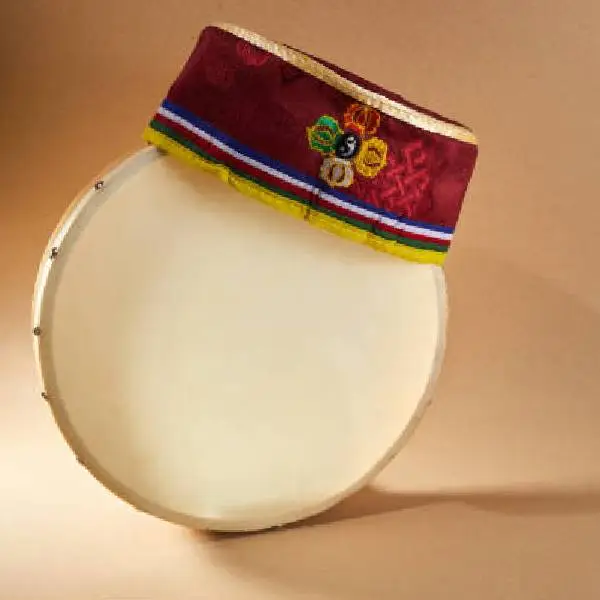
The celebration of Sonam Lhosar begins with cleaning and decorating homes to welcome positive energy and good fortune. Families prepare traditional foods, visit monasteries, and perform religious rituals with the guidance of Buddhist monks. Homes are often decorated with colorful prayer flags and traditional ornaments, while family members gather to share meals and exchange greetings. People wear traditional Tamang clothing, including beautifully designed dresses, jewelry, and cultural accessories, adding vibrant colors to the celebrations. Traditional dances such as Tamang Selo, accompanied by the Damphu drum, are performed during community gatherings. These songs and dances tell stories of history, love, daily life, and the cultural identity of the Tamang people.
Religious ceremonies are an important part of Sonam Lhosar celebrations. Many people visit monasteries and Buddhist shrines to offer prayers, light butter lamps, and receive blessings from monks. Special rituals are performed to remove negative influences from the previous year and welcome happiness and prosperity in the new one. Community feasts are also a major highlight, where people gather to enjoy traditional Tamang dishes, share stories, and celebrate together. In urban areas, large public events featuring cultural performances, food stalls, exhibitions, and traditional music attract thousands of participants.
Sonam Lhosar is celebrated throughout Nepal, especially in areas with significant Tamang populations. In the Kathmandu Valley, large celebrations take place in locations such as Tundikhel, where thousands of people gather to enjoy cultural programs, music, dance performances, and traditional food. The hill districts surrounding Kathmandu, including Rasuwa, Nuwakot, Kavrepalanchok, Sindhupalchok, and Dhading, are also known for their vibrant village celebrations. In these regions, visitors can experience more traditional forms of the festival, where rituals, family gatherings, and community activities remain closely connected with local lifestyles.
Although Sonam Lhosar is traditionally a Tamang festival, other Himalayan communities also participate in and celebrate Lhosar traditions. Some communities, including Hyolmo, Gurung, and other Buddhist-influenced groups, observe their own New Year celebrations with similar themes of cultural renewal, family gatherings, and spiritual practices. Each community has its own unique customs, timing, and rituals, reflecting Nepal's rich diversity of ethnic traditions. These celebrations demonstrate the shared cultural connections among Nepal's Himalayan communities while preserving their individual identities.
For travelers, Sonam Lhosar provides an excellent opportunity to experience Nepal's living cultural heritage. Visitors can join celebrations in Kathmandu or travel to Tamang villages to witness traditional ceremonies, enjoy authentic local cuisine, and experience the warmth of community hospitality. The festival offers opportunities to observe traditional music, dances, costumes, and Buddhist rituals that are rarely seen outside cultural events. Travelers should dress respectfully, seek permission before photographing religious ceremonies or local people, and participate in celebrations with cultural sensitivity. A local guide can help explain the meaning behind the rituals and introduce visitors to the deeper traditions of the Tamang community.
Sonam Lhosar is more than a New Year celebration; it is a festival of identity, heritage, and togetherness. Through prayers, music, dance, and community gatherings, it continues to preserve the traditions of the Tamang people while contributing to Nepal's diverse cultural landscape. For visitors, experiencing Sonam Lhosar offers a meaningful glimpse into the country's rich ethnic traditions and the spirit of unity that connects Nepal's many communities.