Sithi Nakha
Sithi Nakha is one of the Kathmandu Valley’s most practical and culturally meaningful Newar festivals. Instead of revolving around a large chariot or public performance, the day brings communities together to care for something essential to everyday life: water. Residents traditionally clean wells, ponds, stone spouts, and other neighborhood water systems before the monsoon becomes established. Families also worship Kumar Kartikeya, prepare traditional Newar dishes, and gather for shared meals. In 2026, Sithi Nakha was observed on 20 June, corresponding to Ashadh 6, 2083 B.S.
The festival is observed on the sixth lunar day associated with the bright fortnight traditionally connected with the Jestha season. It is also known as Kumar Shasthi, reflecting the day’s religious connection with Kumar Kartikeya. Within Newar tradition, spiritual observance and community responsibility meet naturally during Sithi Nakha. Worship may take place at household shrines and neighborhood sacred spaces, while much of the day’s visible activity happens around the traditional water infrastructure of Kathmandu, Patan, and Bhaktapur.
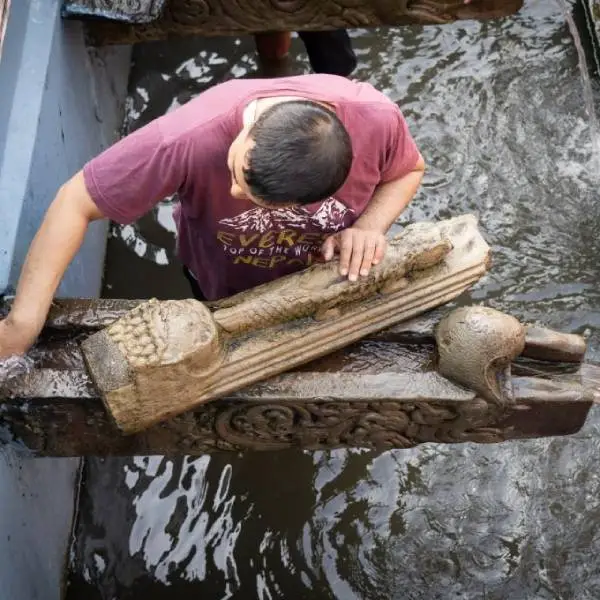
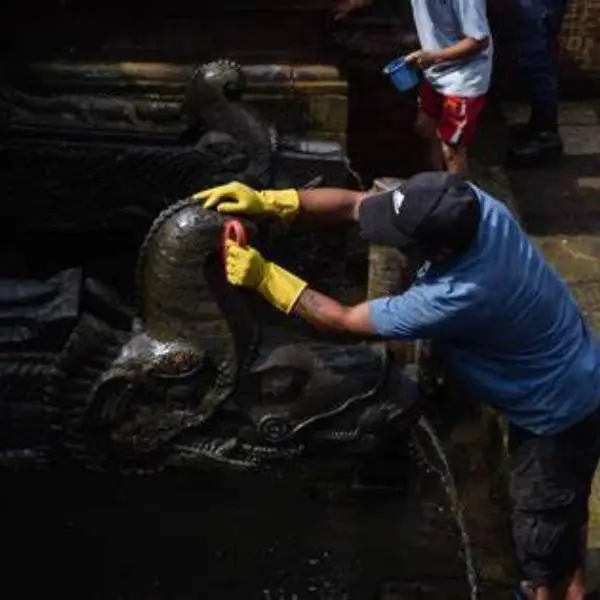
The most distinctive custom is the collective cleaning of water sources. Groups of residents enter courtyards and public spaces to remove mud, leaves, sediment, moss, and accumulated waste from wells, ponds, and stone water spouts known locally as hiti. In Lalitpur during the 2026 observance, communities were photographed cleaning centuries-old stone spouts as part of this annual practice. Similar activity takes place across other Newar settlements in the Kathmandu Valley.
This work has an obvious practical purpose. Traditional water systems require regular maintenance, particularly before seasonal rain brings additional runoff and debris. Sithi Nakha created a culturally recognised moment when responsibility for these shared resources belonged to the wider neighborhood rather than to a single household. The tradition therefore demonstrates how environmental care can become part of a religious and social calendar instead of being treated as a separate civic activity.
Many of the water structures being cleaned are themselves important pieces of Kathmandu Valley heritage. Historic hitis often sit below street level, and feature carved stone channels through which groundwater traditionally flows. Old wells and ponds also formed essential parts of settlements long before modern household water networks existed. Cleaning these places during Sithi Nakha helps keep attention focused on systems that remain culturally valuable even as the valley continues to urbanise.
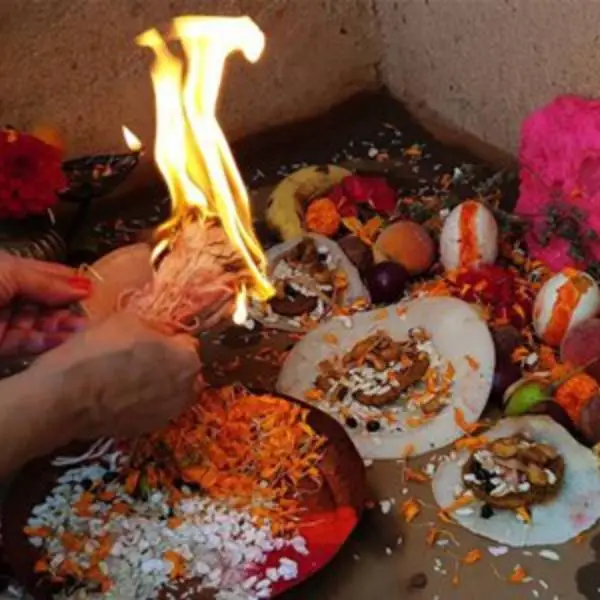
Religion gives another layer of meaning to the day. Kumar Kartikeya, also called Sithi Dyo in Newar tradition, is honoured through household worship and ritual offerings. Some families maintain a sacred marking or small shrine connected with Kumar near the entrance to the home. The festival therefore moves easily between public activity and private devotion: morning hours may involve cleaning community resources, while household rituals and meals bring relatives together later in the day.
Food is an important part of Sithi Nakha and gives the festival a distinctly Newar character. Families traditionally prepare dishes such as woh or bara, savoury lentil pancakes that appear in many Newar feasts. Other foods can include rice preparations, meat dishes such as chwela, vegetables, beans, and seasonal accompaniments, with menus differing from one household to another. Once community work and worship are complete, eating together becomes part of the celebration.
The shared meal serves more than a culinary purpose. Festivals such as Sithi Nakha create occasions for relatives and neighbors to spend time together after completing communal responsibilities. Younger family members see how traditional dishes are prepared and observe practices that might otherwise disappear from everyday routines. In this way, cultural knowledge moves naturally between generations through participation rather than formal instruction.
Sithi Nakha also arrives at an important seasonal moment. The festival occurs around the approach of the summer monsoon, when water becomes central to agriculture as well as urban life. For generations dependent on rainfall, springs, ponds, wells, and irrigation channels, maintaining these resources before the wet season had immediate value. The tradition continues to carry environmental relevance today, particularly as Kathmandu Valley faces pressure on historic water infrastructure.
For travelers, the festival presents a quieter side of Nepal’s living heritage. There may be no single central ground where every visitor gathers. Instead, the celebration appears across neighborhoods in Kathmandu, Lalitpur, Bhaktapur, and other Newar communities. A traveler might encounter residents cleaning an old hiti, families preparing festival food, or people gathering around a neighborhood shrine.
Historic settlements such as Patan and Bhaktapur are especially interesting during this period because their traditional courtyards and water structures remain visible within the urban landscape. Seeing people actively maintain these places changes how they are understood. A stone spout that may appear to an ordinary visitor as an architectural relic suddenly becomes part of an ongoing system of community memory, worship, and responsibility.
Visitors should give residents enough space to carry out cleaning and religious activities. Entering wells, stepping into water structures, handling offerings, or interrupting community work for photographs should be avoided. Close portraits are better taken after asking permission, particularly when someone is praying or performing a household ritual.
At its heart, Sithi Nakha in Nepal demonstrates how a festival can serve both cultural and practical purposes. Worship of Kumar, cleaning water sources, preparing Newar food, sharing meals, and preparing for the monsoon all belong to the same day. Rather than separating religion, environment, family, and civic responsibility, the festival places them together. For travelers interested in understanding the Kathmandu Valley beyond temples and monuments, Sithi Nakha offers a revealing example of heritage that survives because communities continue to use, care for, and celebrate it.