Nepal Sambat (Nhu Daya Bhintuna) Day
Nepal Sambat, celebrated as Nhu Daya Bhintuna, marks the New Year of the Nepal Sambat calendar, the traditional lunar calendar of the Newar community. The calendar began in 879 CE and remains an important symbol of Nepal's cultural identity and historical heritage. Nhu Daya, meaning "New Day," is observed immediately after the Tihar festival and welcomes the start of a new year with prayers, family gatherings, community processions, and cultural performances. While the celebration originated within the Newar community of the Kathmandu Valley, it has gained recognition throughout Nepal as an important cultural occasion. The festival emphasizes renewal, gratitude, harmony, and hope for prosperity in the year ahead, bringing together people to celebrate Nepal's rich traditions and shared history.
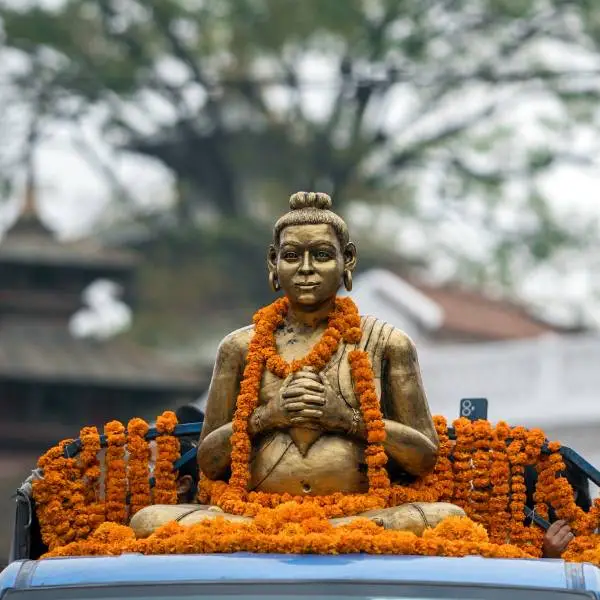
The origins of Nepal Sambat are closely connected to the legendary philanthropist Shankhadhar Sakhwa, a respected merchant from Kathmandu. According to tradition, Shankhadhar discovered a miraculous source of gold-bearing sand at the confluence of local rivers. Instead of keeping the wealth for himself, he used it to free ordinary people from the burden of debt, helping those who had fallen into financial hardship. His extraordinary act of generosity freed many families from financial hardship and earned him lasting admiration. In recognition of his compassion and service to society, a new calendar was established in 879 CE, marking the beginning of Nepal Sambat. Although historians continue to study the exact details of the story, Shankhadhar Sakhwa is widely remembered as a symbol of kindness, generosity, and social responsibility, and he is honored as the founder of the Nepal Sambat era.
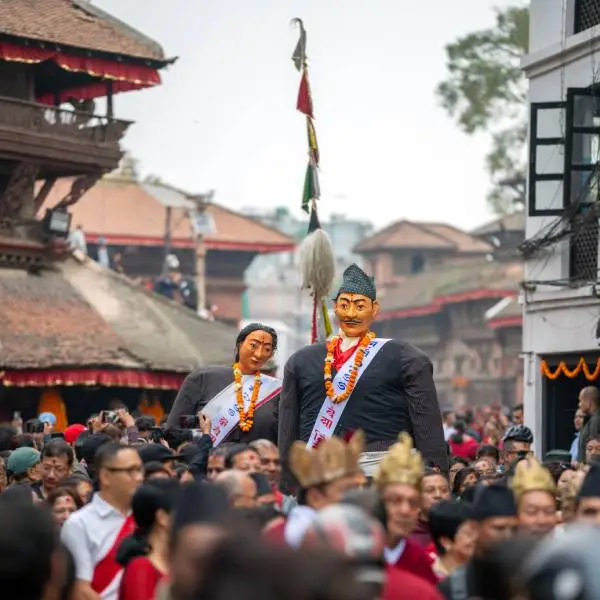
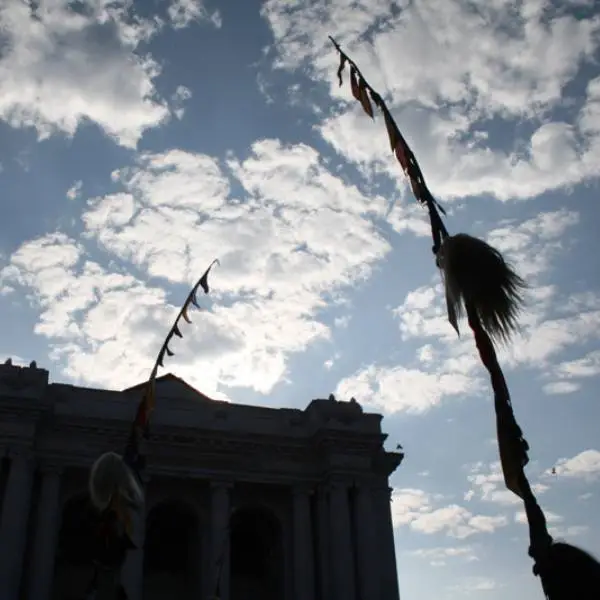
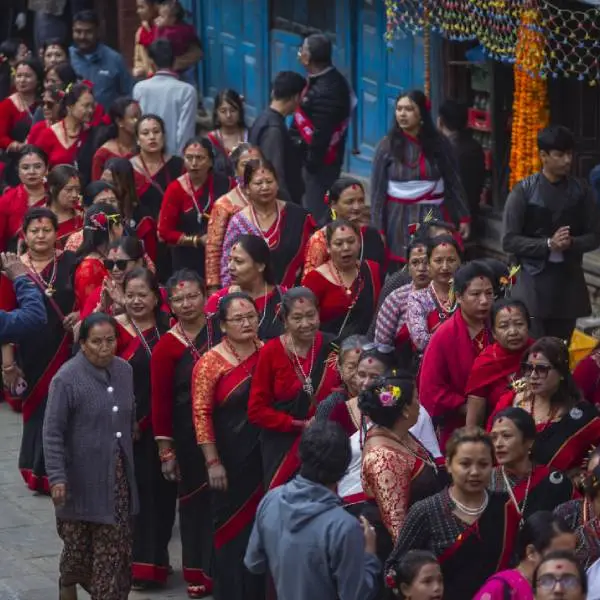
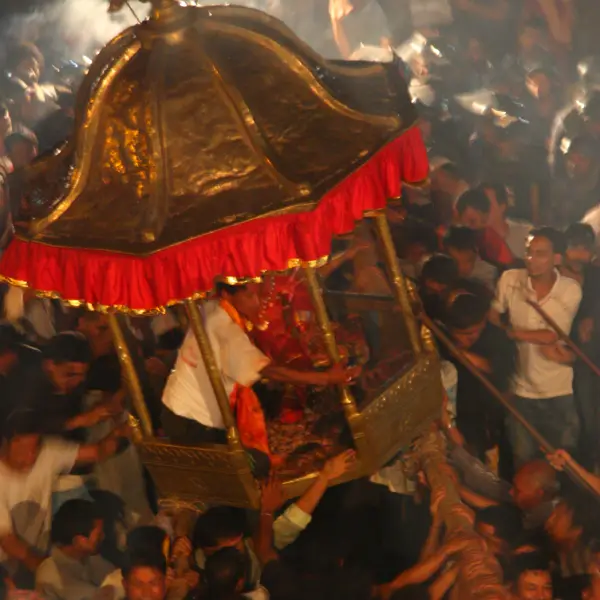
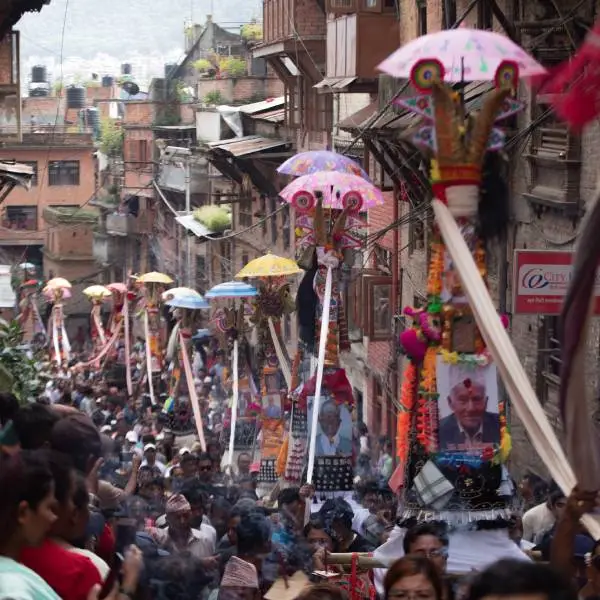
Nepal Sambat is celebrated with a variety of religious and cultural traditions, especially in Kathmandu, Patan, Bhaktapur, and other historic Newar settlements. Early in the morning, families clean and decorate their homes before visiting temples and monasteries to offer prayers for peace, good health, and prosperity. Community organizations organize colorful processions featuring traditional Newar attire, cultural music, masked dances, and performances using instruments such as Dhime drums and Bhusya cymbals. Decorative arches, prayer flags, and banners displaying New Year greetings brighten the streets, while local neighborhoods host cultural gatherings and feasts. Family members exchange greetings by saying "Nhu Daya Bhintuna," wishing one another happiness, success, and good fortune in the coming year. The festival reflects both religious devotion and the joy of beginning a new chapter.
Today, Nepal Sambat represents much more than a traditional calendar. It serves as a powerful reminder of Nepal's historical identity and the enduring contributions of the Newar civilization to the country's culture, architecture, trade, and arts. In 2008, Nepal Sambat was officially recognized by the Government of Nepal as a national calendar, highlighting its importance as part of the country's diverse heritage. While the Gregorian calendar is widely used for official and international purposes, Nepal Sambat continues to play an important role in cultural events, religious ceremonies, and traditional celebrations. Its continued use reflects the commitment of local communities to preserve their language, customs, and historical legacy for future generations.
The cultural and social significance of Nepal Sambat extends beyond the Newar community. The festival encourages unity, gratitude, and respect for shared traditions while promoting cultural preservation in a rapidly changing world. It provides an opportunity for younger generations to learn about their history and for communities to strengthen social bonds through collective celebrations. Traditional music, dance, art, cuisine, and religious rituals all play an important role in keeping Nepal's living heritage vibrant and relevant. The values represented by Shankhadhar Sakhwa—generosity, compassion, and public service—remain central themes of the celebration and continue to inspire many people today.
For travelers, Nepal Sambat offers an excellent opportunity to experience Nepal's authentic cultural heritage. The historic cities of Kathmandu, Patan, and Bhaktapur host some of the most vibrant celebrations, where visitors can watch colorful processions, enjoy traditional Newar music and dance, and explore beautifully decorated temples and heritage squares. Sampling authentic Newar cuisine and visiting local cultural programs further enriches the experience. Visitors should dress respectfully when attending religious ceremonies, ask permission before photographing participants, and be mindful of local customs during processions. Exploring the festival with a knowledgeable local guide can provide valuable insight into the history of Nepal Sambat, the life of Shankhadhar Sakhwa, and the traditions that continue to shape Nepal's cultural identity.
Nepal Sambat (Nhu Daya Bhintuna) is far more than a New Year celebration; it is a tribute to generosity, community, and Nepal's enduring cultural heritage. Through prayers, traditions, and joyful gatherings, the festival continues to unite people while preserving one of the country's most treasured historical legacies.