Maghe Sankranti
Maghe Sankranti is one of Nepal's most significant traditional festivals, celebrated on the first day of the Nepali month of Magh (January–February). It marks the end of the cold winter period and the beginning of longer, warmer days as the sun gradually moves toward the northern hemisphere. The festival is observed by communities across Nepal and holds both religious and cultural importance. Often regarded as a celebration of purification, health, and renewal, Maghe Sankranti brings families and communities together through traditional rituals, special foods, and social gatherings. Although the festival has Hindu origins, it is also deeply connected with Nepal's agricultural traditions, seasonal changes, and the close relationship between people and nature.
The religious significance of Maghe Sankranti is closely associated with the worship of the Sun God (Surya) and the importance of sacred rivers. Many devotees believe that taking a holy bath in rivers during this period cleanses the body and soul while bringing spiritual blessings. Pilgrims visit important rivers and religious sites such as Devghat, Trishuli River, Bagmati River, and other sacred locations to perform rituals, offer prayers, and make donations. The festival is also connected with the movement of the sun into the zodiac sign of Capricorn, known as Makar Sankranti in Hindu traditions. This transition is considered an auspicious time for beginning new activities, offering gratitude, and seeking prosperity for the year ahead.
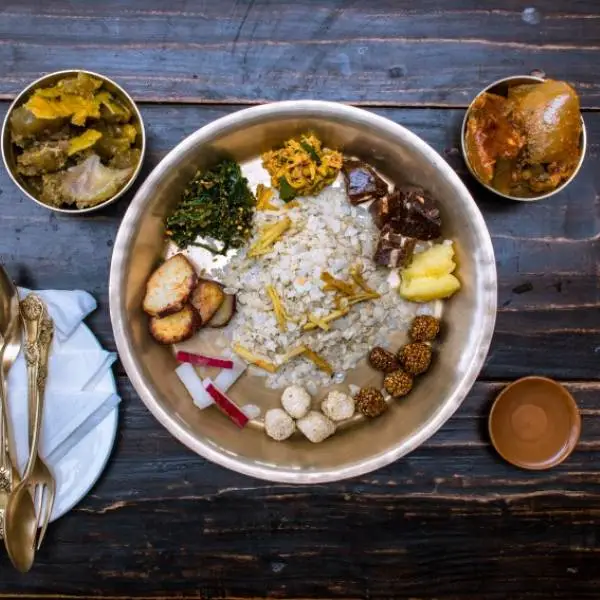
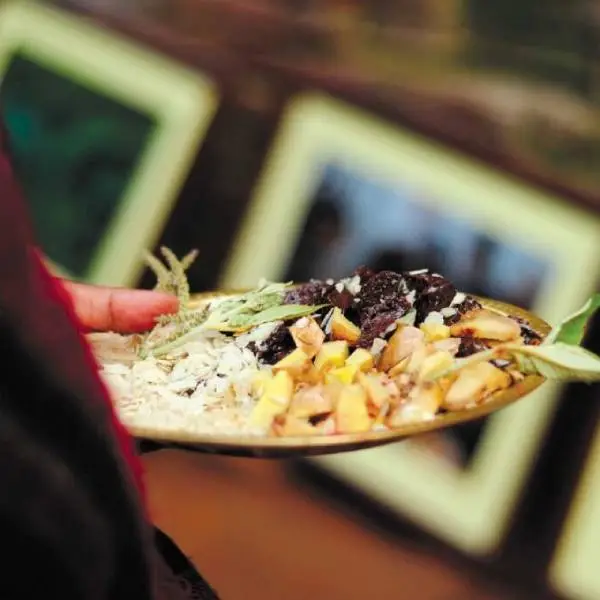
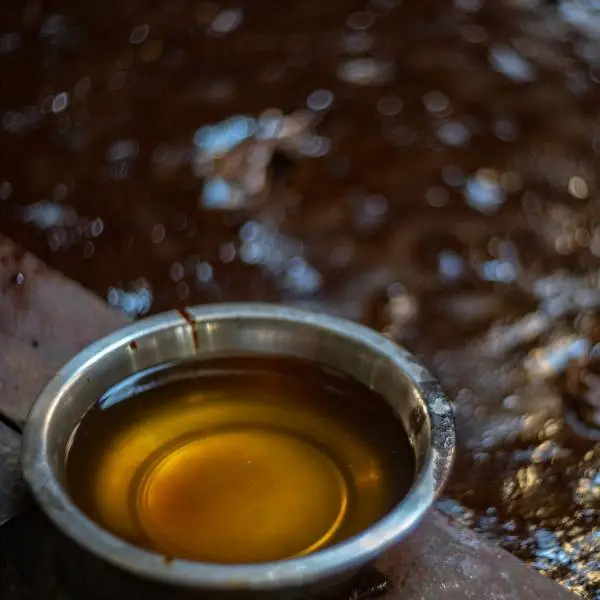
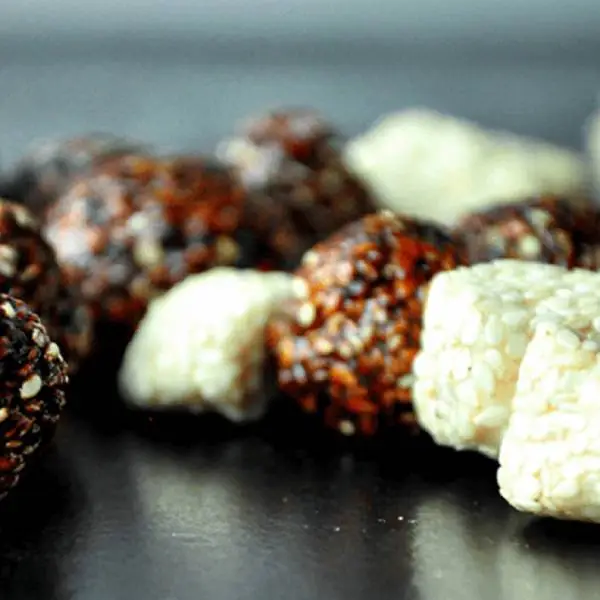
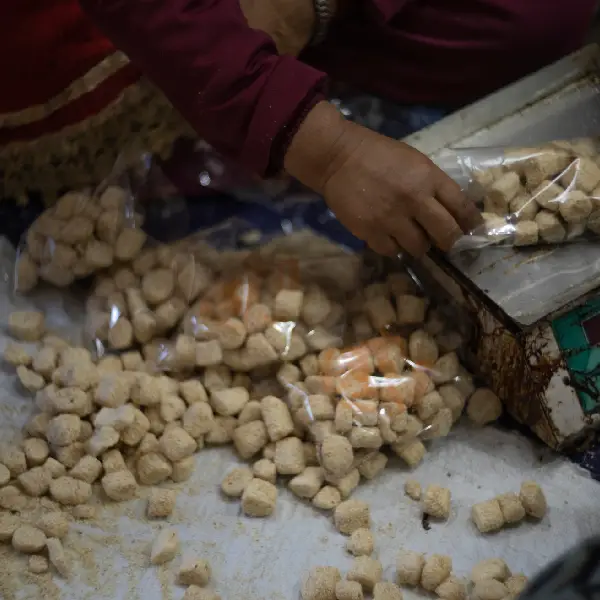
Food plays a central role in Maghe Sankranti celebrations, with families preparing and sharing traditional seasonal delicacies. The most popular foods associated with the festival include til ko laddu (sesame seed sweets), chaku (a traditional molasses-based sweet), yam, sweet potatoes, ghee, and khichadi (a nutritious mixture of rice and lentils). These foods are not only enjoyed for their taste but are also believed to provide warmth, energy, and health benefits during the cold winter season. Sesame seeds and molasses are especially significant because they are considered symbols of purity and good fortune. Sharing these traditional foods with family members, neighbors, and guests strengthens community relationships and keeps cultural practices alive.
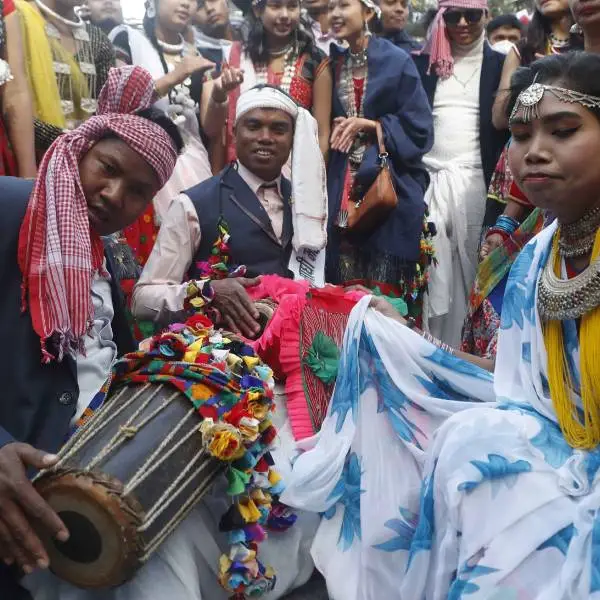
Maghe Sankranti is celebrated differently across various regions of Nepal, reflecting the country's diverse ethnic and cultural traditions. In the Terai region, communities celebrate the festival with family gatherings, traditional meals, and religious activities. Among the Tharu community, the festival is celebrated as Maghi, which is one of their most important cultural events. Maghi marks the beginning of the New Year for the Tharu people and is celebrated with traditional dances, music, community feasts, and social gatherings. In the hilly regions, people observe the festival by preparing special foods, visiting relatives, and participating in religious ceremonies. The celebration at Devghat, where thousands of pilgrims gather every year, is one of the largest religious events associated with Maghe Sankranti.
Beyond its religious meaning, Maghe Sankranti has great cultural and social importance in Nepalese society. The festival represents family unity, generosity, and respect for traditions passed down through generations. It is a time when relatives come together, elders share blessings, and communities strengthen their connections. The festival also reflects Nepal's agricultural lifestyle, as it occurs during a seasonal transition when farmers prepare for the next phase of agricultural activities. By celebrating nature, seasonal changes, and traditional knowledge, Maghe Sankranti highlights the deep connection between Nepalese communities and their environment.
For travelers, Maghe Sankranti offers a wonderful opportunity to experience Nepal's authentic traditions and local lifestyle. Visitors can witness colorful religious gatherings at sacred rivers, explore local markets filled with traditional foods, and participate in cultural celebrations throughout the country. Devghat is one of the best places to observe large-scale rituals, while destinations in the Terai region provide opportunities to experience Tharu Maghi celebrations with traditional music and dance. Travelers should dress respectfully when visiting religious sites, ask permission before photographing ceremonies, and remain mindful of local customs. A local guide can provide valuable insights into the festival's history, rituals, and regional variations.
Maghe Sankranti is more than a seasonal festival; it is a celebration of spirituality, community, nature, and Nepal's rich cultural identity. Through sacred rituals, traditional cuisine, and family gatherings, the festival continues to preserve ancient customs while bringing people together in the spirit of gratitude and renewal. For visitors, experiencing Maghe Sankranti provides a meaningful glimpse into Nepal's diverse traditions and the values that continue to shape its society.