Kushe Aunsi
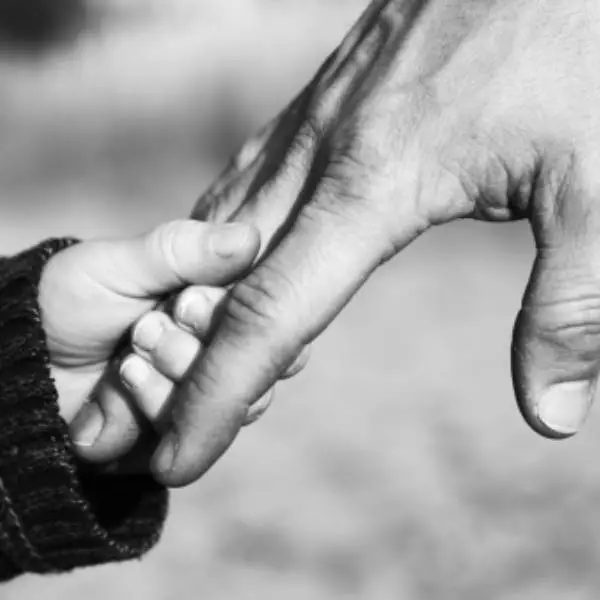
Kushe Aunsi is one of the most meaningful cultural festivals celebrated in Nepal, dedicated to honoring fathers and celebrating the special bond between parents and children. Also known as Buwa Ko Mukh Herne Din (बुवाको मुख हेर्ने दिन), which means “the day to see father’s face,” this traditional festival represents love, respect, gratitude, and appreciation for fathers and their lifelong contributions to the family. Unlike the internationally celebrated Father’s Day, Kushe Aunsi follows Nepal’s traditional lunar calendar and holds deep religious and cultural significance.
In Nepali culture, fathers are respected as important pillars of the family who provide guidance, protection, and support throughout life. Kushe Aunsi is a special occasion when children express their love and appreciation by spending time with their fathers, offering gifts, preparing delicious meals, and seeking blessings. Families gather together to celebrate this emotional connection and recognize the sacrifices fathers make for the happiness and well-being of their loved ones.
The festival is celebrated on the new moon day of the Nepali month of Bhadra, usually falling in August or September. The unique timing of Kushe Aunsi reflects Nepal’s traditional approach to festivals, where celebrations are closely connected with natural cycles, religious beliefs, and ancient customs.
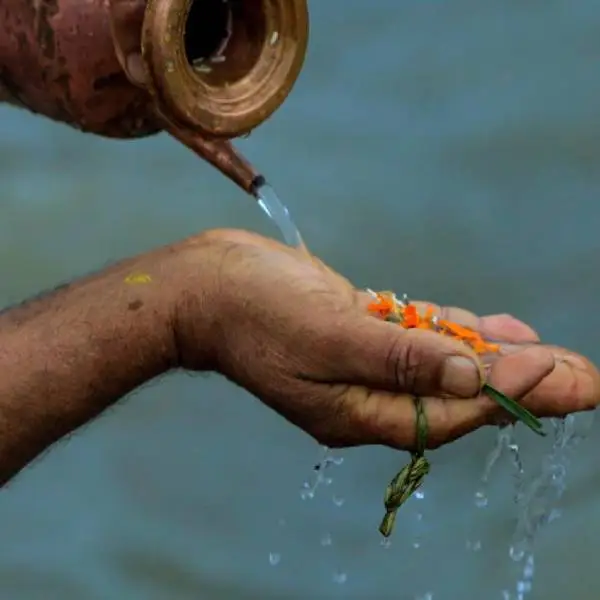
The name “Kushe Aunsi” comes from the sacred Kush grass, which holds an important place in Hindu rituals. On this day, many households bring Kush grass into their homes as it is considered spiritually significant. The festival combines cultural traditions with religious practices, making it more than just a celebration of fatherhood. It is also a day for remembering ancestors and maintaining spiritual connections with family members who are no longer present.
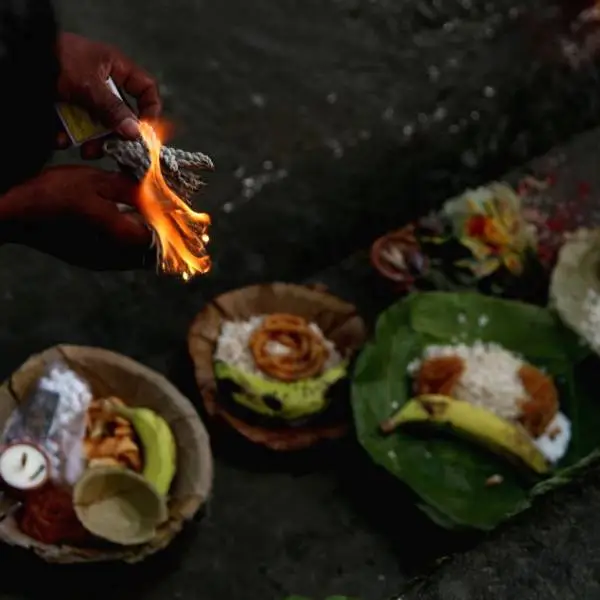
One of the most important aspects of Kushe Aunsi is honoring fathers who have passed away. Many people visit sacred places and perform traditional rituals in memory of their deceased fathers. Gokarna Temple, located in the Kathmandu Valley, is one of the most significant pilgrimage sites associated with this festival. Devotees visit the temple area to perform prayers and rituals for their ancestors, seeking peace and blessings for their departed family members.
For living fathers, the day is filled with affection and family celebrations. Sons and daughters visit their fathers, offer sweets, fruits, clothes, and other gifts, and receive blessings for happiness and success. Many families prepare traditional Nepali dishes and spend meaningful time together. The simple act of sitting together, sharing food, and expressing gratitude represents the emotional heart of Kushe Aunsi.
For travelers interested in Nepal’s traditions, experiencing Kushe Aunsi provides a wonderful opportunity to understand the country’s cultural values and family-centered lifestyle. Nepal is widely known for its mountains, trekking routes, and heritage sites, but festivals like Kushe Aunsi reveal the deeper emotional and spiritual side of Nepali society. They allow visitors to see how traditions continue to connect generations and preserve cultural identity.
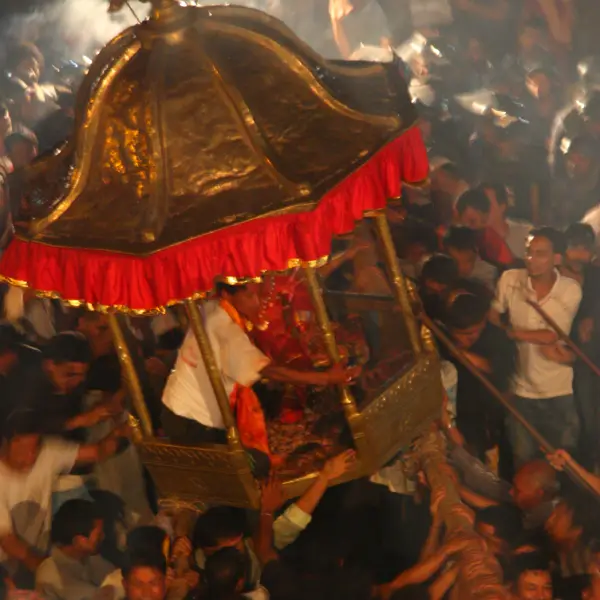
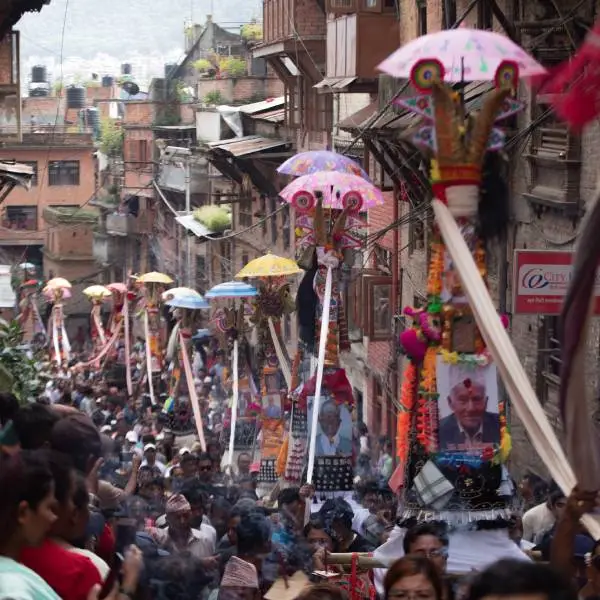
During the festival, travelers may observe families returning to their hometowns, markets filled with traditional items, and temples welcoming devotees performing rituals. The atmosphere reflects the importance of family relationships and respect for elders in Nepali communities. These cultural experiences offer visitors a chance to explore Nepal beyond famous landmarks and discover the traditions that shape everyday life.
A cultural journey during Kushe Aunsi can be combined with visits to historic cities, ancient temples, traditional villages, and local communities. Places around Kathmandu Valley offer opportunities to witness Nepal’s rich heritage through architecture, religious practices, and local customs. Visitors can learn about the stories behind festivals and understand how spiritual beliefs influence the lifestyle of Nepali people.
Kushe Aunsi is a reminder that festivals are not only about celebrations but also about preserving values and strengthening relationships. The festival teaches the importance of gratitude, respect, and appreciation for parents. In a rapidly changing world, traditions like Kushe Aunsi continue to keep families connected and ensure that cultural heritage is passed from one generation to another.
The beauty of Nepal lies not only in its natural landscapes but also in the warmth, emotions, and traditions of its people. Kushe Aunsi represents the deep respect Nepali society holds for fathers and family bonds. Experiencing this festival allows visitors to witness a heartfelt tradition where love, spirituality, and culture come together.
For those seeking authentic cultural experiences, Kushe Aunsi offers a meaningful way to explore Nepal’s traditions. It provides insight into the values of family, devotion, and gratitude that remain central to Nepali life. More than a festival, Kushe Aunsi is a celebration of fatherhood, memories, and the timeless connection between generations.