Kartik Purnima (Sakimana Punhi)
Kartik Purnima is one of the most sacred full moon festivals celebrated by Hindu and Buddhist communities in Nepal. Observed on the full moon day of the month of Kartik according to the lunar calendar, this festival holds deep religious, cultural, and spiritual significance. The day is associated with devotion, purification, charity, and worship of various deities. Across Nepal, devotees visit temples, sacred rivers, and pilgrimage sites to perform rituals, offer prayers, and participate in traditional celebrations.
The festival marks the end of the holy month of Kartik, which is considered an auspicious period for religious activities. Devotees believe that performing prayers, taking holy baths, lighting lamps, and making donations during this time brings spiritual blessings and removes negative influences from life. The full moon is regarded as a symbol of divine light, purity, and prosperity, making Kartik Purnima an important occasion for religious observances.
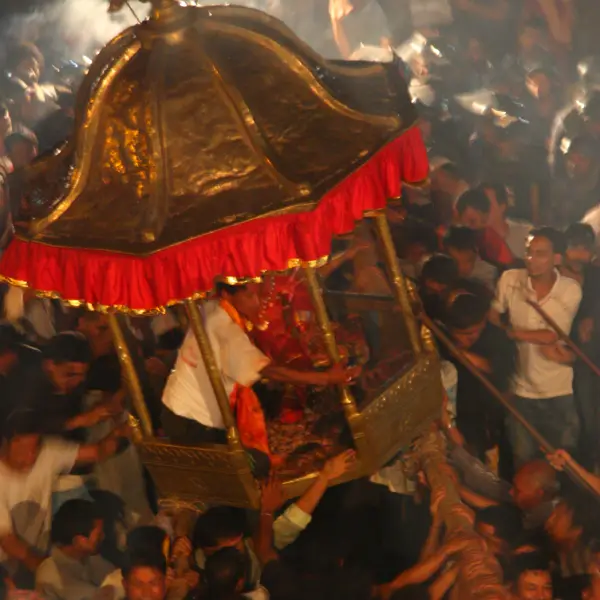
In Nepal, Kartik Purnima is celebrated with great devotion at temples, riverbanks, and sacred locations. Many people wake up early in the morning, take ritual baths, and visit nearby shrines to offer flowers, incense, lamps, and other religious offerings. Devotees often observe fasting or follow special religious practices as a way of showing dedication and seeking blessings from the gods.
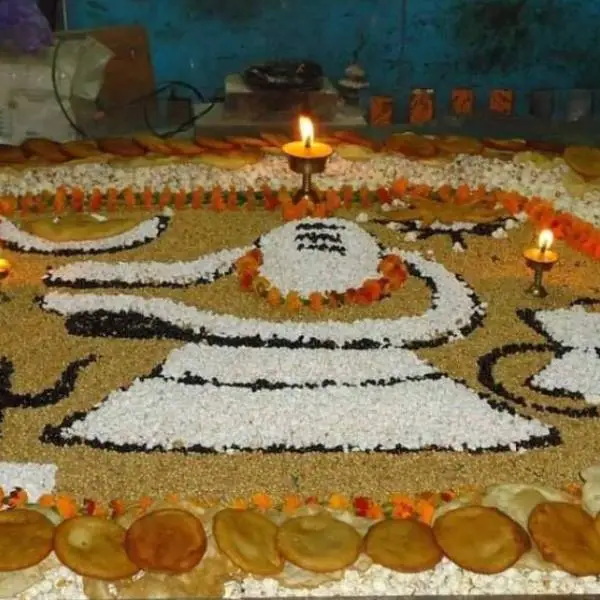
One of the major traditions associated with Kartik Purnima is Deep Daan, the offering of oil lamps. People light lamps in temples, homes, and sacred areas to represent the victory of light over darkness and knowledge over ignorance. The glowing lamps create a peaceful and spiritual atmosphere, especially during evening prayers. This tradition is also connected with the idea of spreading positivity, hope, and harmony within society.
Kartik Purnima has religious importance for followers of both Hinduism and Buddhism. Hindus worship deities such as Lord Vishnu, Lord Shiva, and Goddess Lakshmi during this period. Many devotees believe that acts of devotion and charity performed on this day bring spiritual merit. For Buddhist communities, especially among the Newar people of the Kathmandu Valley, the day is also considered important for visiting monasteries and stupas, offering prayers, and remembering Buddhist teachings.
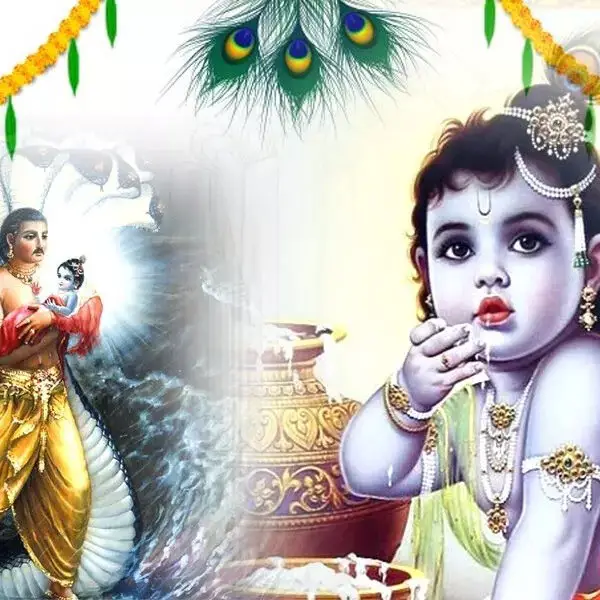
The festival is also connected with several religious legends. In Hindu tradition, Kartik Purnima is associated with Lord Shiva’s victory over the demon Tripurasura, which represents the triumph of good over evil. Because of this belief, the day is sometimes celebrated as Tripuri Purnima or Dev Deepawali in different regions. Various communities also connect the festival with Lord Vishnu and other divine events, adding to its spiritual importance.
Another important aspect of Kartik Purnima is charity and social responsibility. Many devotees donate food, clothing, and other necessities to people in need. These acts of generosity reflect the values of compassion, kindness, and community support that are central to Nepalese religious traditions. The festival encourages people to focus not only on personal prayers but also on helping others.
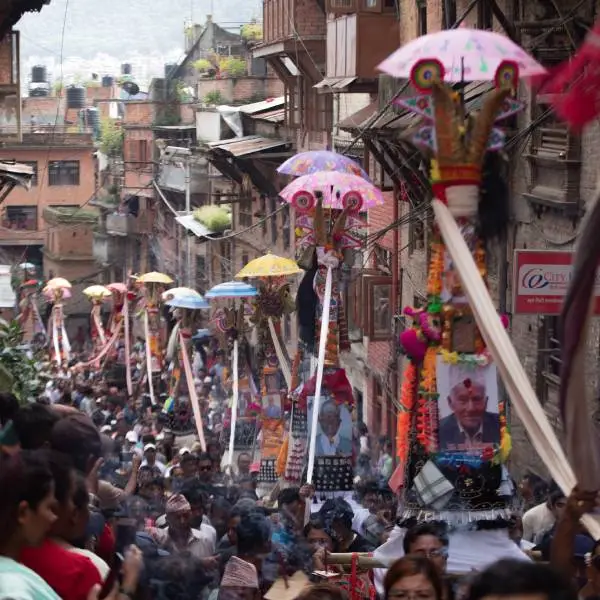
Kartik Purnima is also a time when cultural gatherings and religious fairs are organized in many parts of Nepal. These events often include devotional music, traditional performances, local markets, and community activities. Such gatherings allow people to celebrate together while preserving cultural practices passed down through generations. The combination of religious rituals and social interaction makes the festival an important part of Nepal’s cultural life.
In the Kathmandu Valley, the festival reflects the unique relationship between religion, art, and community traditions. Ancient temples, historical courtyards, and sacred sites become centers of worship and celebration. Traditional Newar communities often participate in rituals that combine Buddhist and Hindu influences, demonstrating the religious harmony that has existed in Nepal for centuries.
Kartik Purnima also attracts visitors interested in Nepal’s spiritual and cultural heritage. Travelers can experience the peaceful atmosphere of temple rituals, observe traditional customs, and learn about the religious diversity of Nepal. The festival provides insight into how ancient beliefs continue to influence modern community life.
In today’s changing world, Kartik Purnima remains a meaningful celebration that connects people with their spiritual roots and cultural identity. Families continue to follow traditional rituals, communities organize religious activities, and devotees gather to maintain the values associated with the festival.
With its emphasis on devotion, light, purification, and compassion, Kartik Purnima represents the timeless cultural heritage of Nepal. The festival is not only a religious occasion but also a celebration of unity, generosity, and the enduring connection between people and their traditions.