Janai Purnima
Janai Purnima is one of Nepal's important religious and cultural festivals, celebrated annually during the full moon day of the Nepali month of Shrawan (July–August). Also known as Raksha Bandhan in many communities, the festival represents purity, protection, and the renewal of spiritual commitment. Traditionally observed by Hindu communities, especially the Brahmin and Chhetri groups, Janai Purnima is also celebrated by different ethnic communities across Nepal with their own unique customs and traditions. The festival brings together families and communities through sacred rituals, traditional foods, and expressions of love and respect. Beyond its religious importance, Janai Purnima offers a fascinating insight into Nepal's diverse cultural heritage, where ancient practices continue to remain an important part of everyday life.
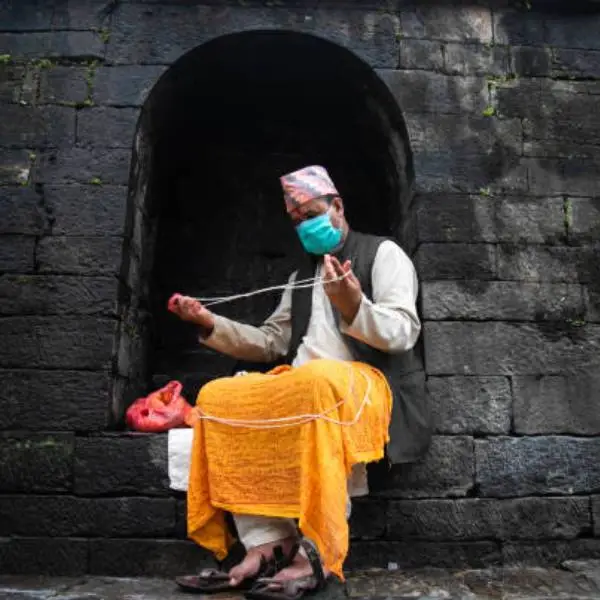
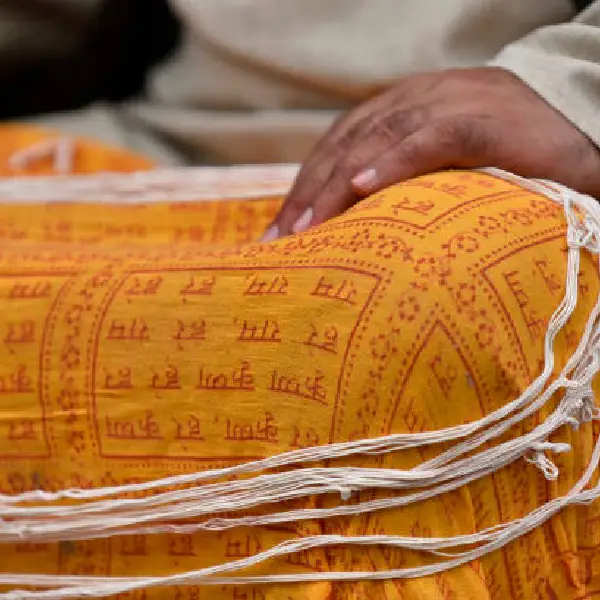
A central ritual of Janai Purnima is the changing of the Janai, a sacred thread worn by Hindu men who have undergone the traditional rite of passage known as Bratabandha. The Janai consists of three intertwined strands that symbolize purity of thought, speech, and action, as well as the connection between spiritual duties and personal responsibilities. On the day of the festival, men wearing the sacred thread visit temples or gather with priests who perform special purification rituals and replace the old Janai with a new one after prayers and blessings. This ritual represents spiritual renewal, the removal of past impurities, and a renewed commitment to religious and moral values. Many devotees also take holy baths in rivers and visit sacred sites to offer prayers and seek blessings for health, prosperity, and protection.
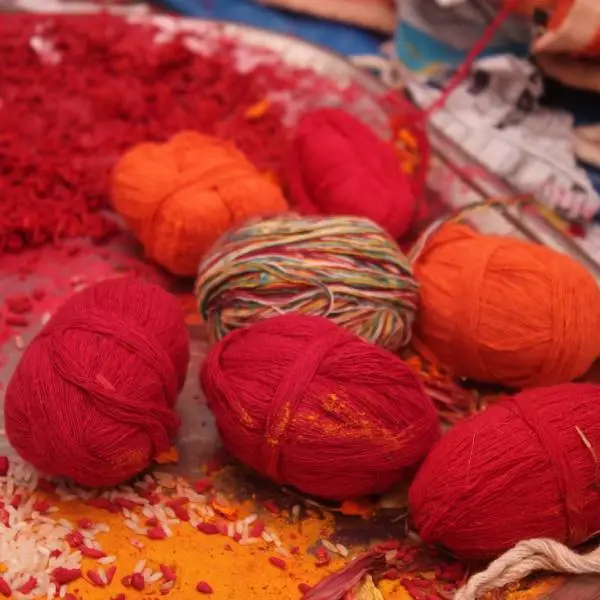
Another important tradition associated with Janai Purnima is Raksha Bandhan, meaning the "bond of protection." During this ceremony, sisters tie a colorful sacred thread known as a Rakhi around the wrists of their brothers as a symbol of love, care, and mutual respect. In return, brothers promise to protect and support their sisters while offering gifts or blessings. Although traditionally associated with sibling relationships, Raksha Bandhan has become a broader celebration of affection, trust, and family bonds. The ritual strengthens relationships and highlights the importance of love and responsibility within families.
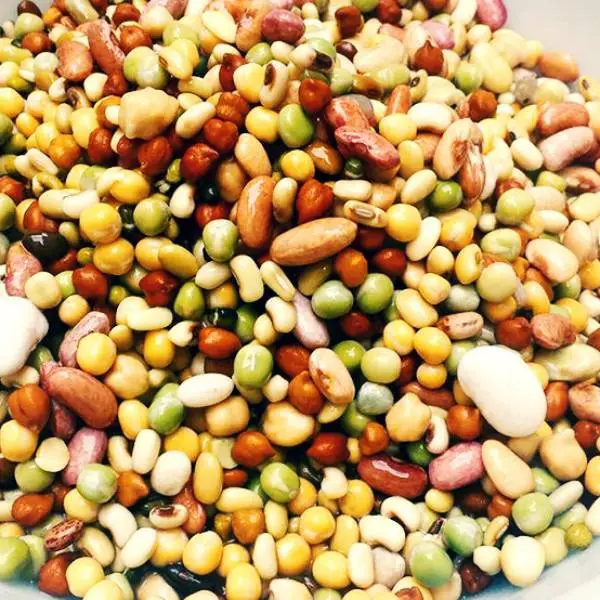
One of the most enjoyable aspects of Janai Purnima is the preparation and sharing of Kwati, a traditional soup made from a mixture of nine different types of sprouted beans. This nutritious dish holds special importance during the festival and is especially popular among the Newar community. The preparation of Kwati is believed to provide strength and protect the body during the rainy season. Families gather to enjoy this special meal together, making it an important part of the festive experience. The combination of religious rituals and traditional cuisine reflects Nepal's close connection between culture, spirituality, and seasonal practices.
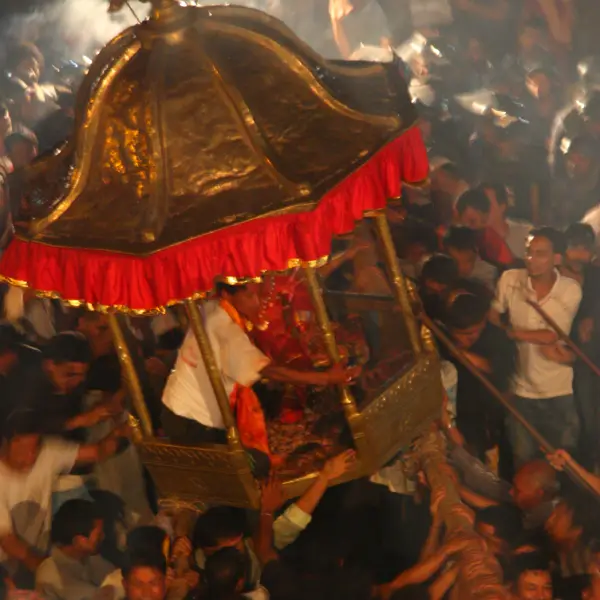
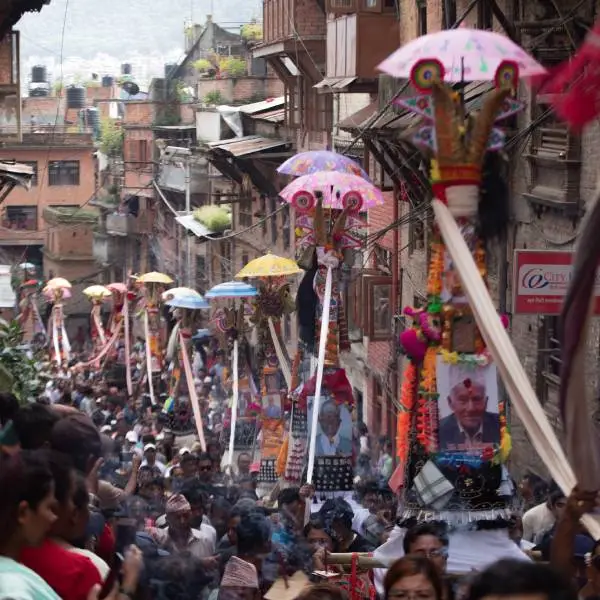
Among the Newar community of the Kathmandu Valley, Janai Purnima is celebrated as Gunla Punhi, an important Buddhist festival observed during the sacred month of Gunla. During this period, devotees visit Buddhist monasteries and sacred stupas, especially Swayambhunath Stupa, while participating in prayer processions accompanied by traditional Gunla music. Devotees offer prayers, light butter lamps, and make offerings as a way of gaining spiritual merit. This unique Newar tradition demonstrates Nepal's religious harmony, where the same festival period carries different meanings and practices among various communities.
For travelers, Janai Purnima provides a wonderful opportunity to experience Nepal's living traditions and cultural diversity. Visitors can witness sacred ceremonies at temples, observe devotees wearing traditional clothing, and explore local communities preparing festive foods and participating in rituals. Popular places to experience the festival include Pashupatinath Temple in Kathmandu, monasteries around the Kathmandu Valley, and holy rivers where devotees gather for ritual bathing and prayers. Travelers should dress respectfully when visiting religious sites, remove shoes where required, and ask permission before photographing ceremonies or participants. Exploring the festival with a local guide can provide a deeper understanding of the symbolism behind the sacred thread, Raksha Bandhan, and regional traditions.
Janai Purnima is more than a religious observance; it is a celebration of spiritual renewal, family connections, and Nepal's multicultural identity. Through sacred rituals, traditional foods, and community gatherings, the festival preserves ancient values while continuing to bring people together. For visitors, experiencing Janai Purnima offers a meaningful opportunity to discover Nepal's rich traditions, religious harmony, and the deep cultural practices that continue to shape life across the country.