Hadigaun Jatra
Hadigaun Jatra is one of the most unique and fascinating traditional festivals celebrated in Nepal. Also known as “Kahi Nabhaeko Jatra” meaning “a festival that exists nowhere else,” this historic celebration reflects the rich cultural heritage of the Newar community in Kathmandu Valley. The festival takes place in Hadigaun, an ancient settlement of Kathmandu, and showcases a rare combination of religious devotion, traditional rituals, community participation, and unique chariot traditions that cannot be found anywhere else.
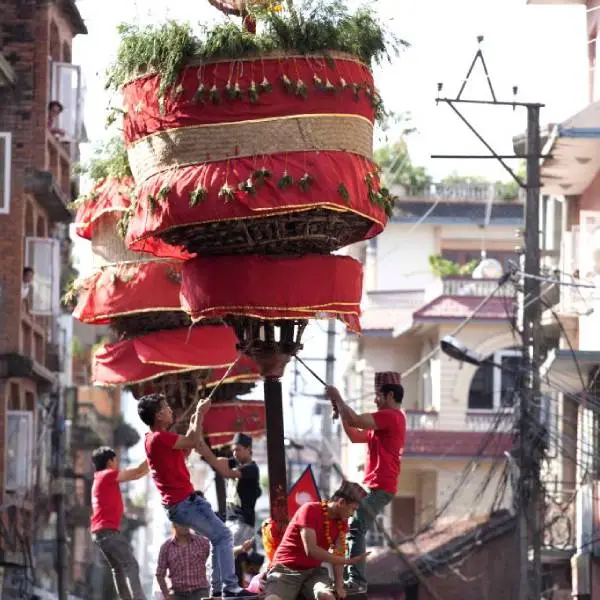
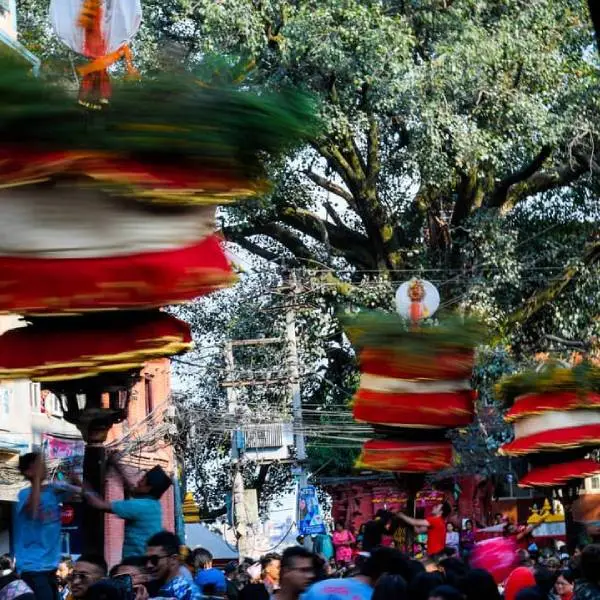
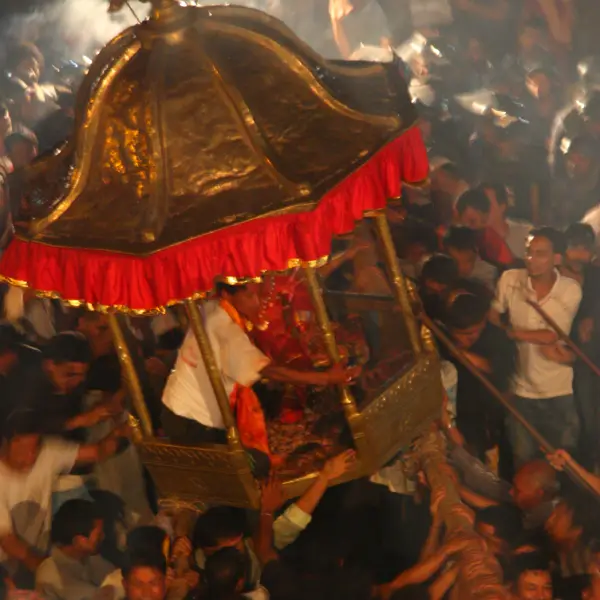
The festival is dedicated to Lord Satya Narayan and is celebrated with great enthusiasm by the local community of Hadigaun. Unlike other chariot festivals in Nepal where the chariot is designed with the pinnacle facing upward, Hadigaun Jatra is famous for its unusual upside-down chariot structure. This distinctive tradition makes the festival different from other celebrations in Kathmandu Valley and attracts visitors interested in Nepalese culture, history, and traditional practices.
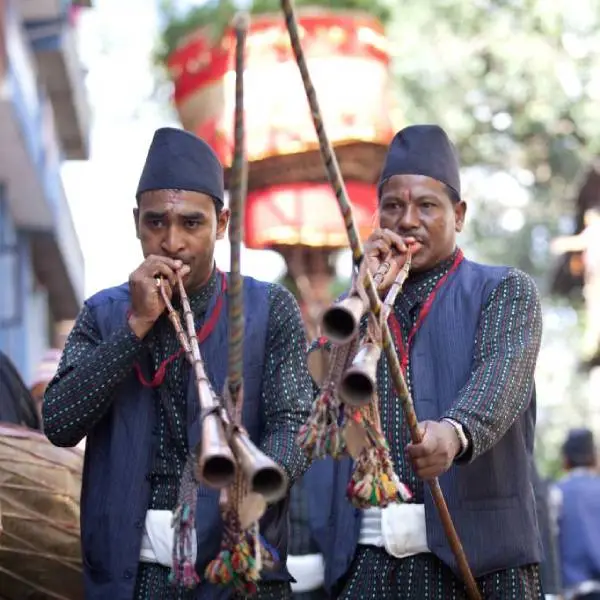
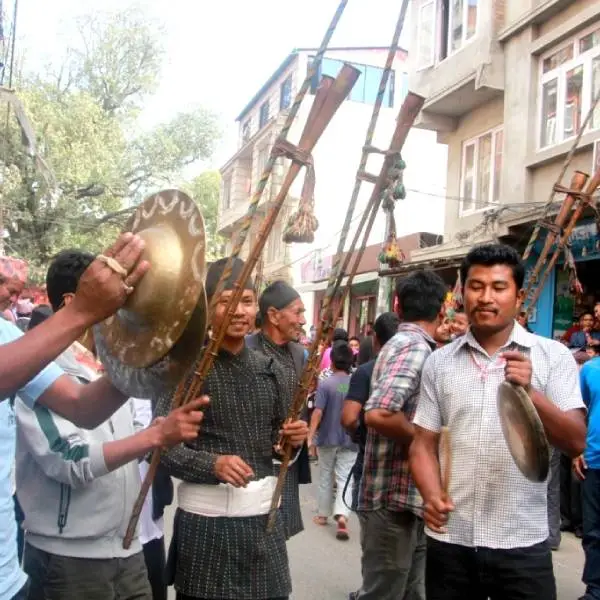
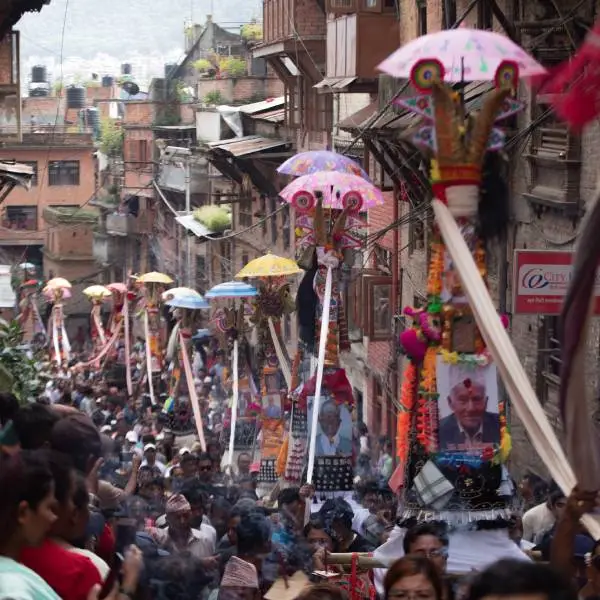
Hadigaun has been an important cultural settlement of Kathmandu Valley for centuries. The area carries historical significance through its ancient temples, traditional houses, and preserved Newar customs. The festival represents the strong connection between local people, their religious beliefs, and the traditions passed down through generations. During the celebration, the streets of Hadigaun become lively with devotees, musicians, traditional performances, and community gatherings.
One of the main attractions of Hadigaun Jatra is the unique chariot procession. During the festival, three special circular chariots are prepared and carried through the local area. These chariots represent different divine forms and are traditionally pulled and rotated by local participants. The unusual design and movement of the chariots create a spectacular sight for visitors and demonstrate the creativity and craftsmanship of Nepal’s traditional festival culture.
The preparation for Hadigaun Jatra begins several days before the main celebration. Local communities work together to prepare the chariots, arrange religious activities, and organize cultural programs. This collective effort shows the importance of community cooperation in preserving Nepal’s ancient traditions. Families, elders, and younger generations all participate in different roles, helping to keep the festival alive.
During the festival, devotees gather to offer prayers, worship deities, and seek blessings for happiness and prosperity. Traditional music played with instruments such as drums creates an energetic atmosphere throughout the celebration. The sound of music, the movement of the chariots, and the participation of local residents create a memorable cultural experience for both locals and visitors.
Hadigaun Jatra is not only a religious event but also a celebration of Nepalese identity and social connection. The festival brings together people from different generations and strengthens relationships within the community. Traditional dances, local gatherings, and shared meals create a feeling of unity and belonging among participants.
For travelers visiting Kathmandu, experiencing Hadigaun Jatra provides an opportunity to discover a lesser-known side of Nepalese culture. While many visitors explore famous attractions such as Kathmandu Durbar Square, Pashupatinath Temple, and Boudhanath Stupa, festivals like Hadigaun Jatra offer a deeper understanding of local traditions and everyday cultural life. It allows travelers to witness living heritage rather than only visiting historical monuments.
Photography enthusiasts and cultural explorers can find many unique moments during the festival. The colorful traditional clothing, decorated chariots, ancient streets, and joyful expressions of local people create excellent opportunities for capturing authentic images. Visitors can observe how religion, art, architecture, and community traditions come together in one celebration.
The best way to experience Hadigaun Jatra is by visiting with respect and curiosity. Travelers should take time to understand the meaning behind the rituals, follow local customs, and interact politely with community members. The festival provides a chance to learn about Nepal’s Newar heritage and appreciate the traditions that continue to shape Kathmandu Valley’s cultural landscape.
Hadigaun Jatra represents the beauty of Nepal’s traditional festivals, where history, spirituality, and community values come together. The festival’s unique chariot tradition, ancient connection, and vibrant atmosphere make it one of the most remarkable cultural experiences in Kathmandu. For those looking for authentic cultural activities in Nepal, Hadigaun Jatra offers a rare opportunity to witness a centuries-old celebration that continues to thrive in the modern world.
Planning a visit to Kathmandu during the Hadigaun Jatra celebration allows travelers to explore Nepal’s cultural richness beyond popular tourist attractions. From the unusual chariot procession to traditional music, religious rituals, and community celebrations, every part of the festival reflects the deep heritage of Nepal. Experiencing Hadigaun Jatra is a memorable journey into the heart of Kathmandu’s living traditions and a chance to discover one of Nepal’s most extraordinary festivals.