Gathamuga/Gathemangal
Gathamuga, also known as Gathemangal or Gatha Muga Chahre, is an important traditional festival celebrated mainly by Newar communities across the Kathmandu Valley. The festival is closely associated with purification, protection, and the symbolic removal of negative influences from homes and neighborhoods. It reflects centuries-old cultural beliefs and continues to remain an important part of community life in Kathmandu, Patan, Bhaktapur, and other traditional Newar settlements.
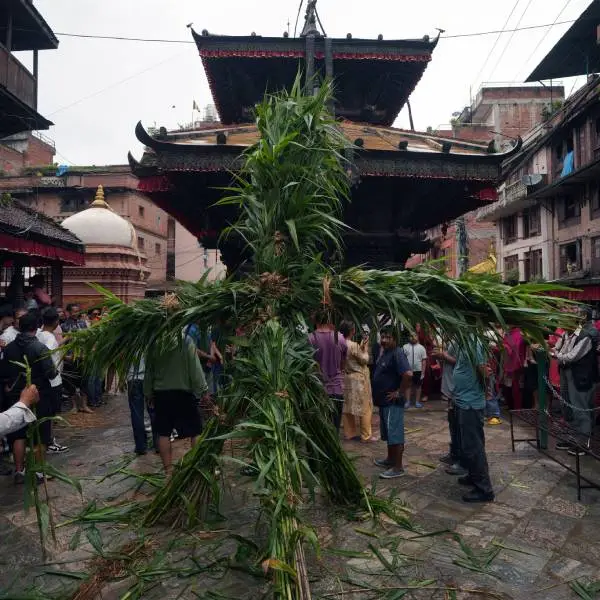
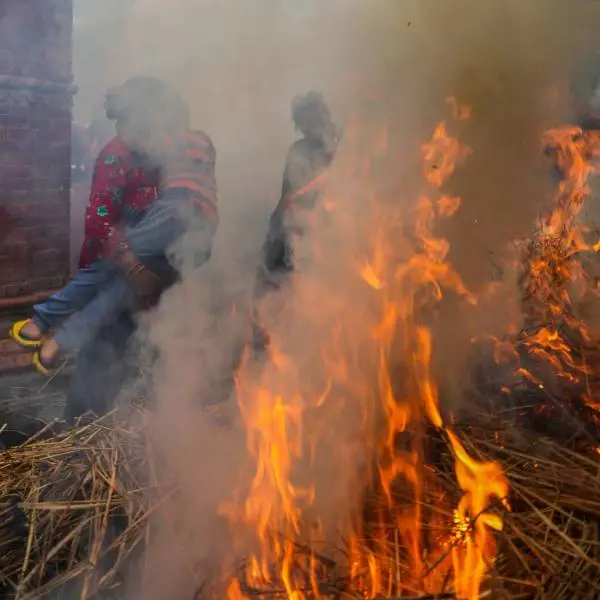
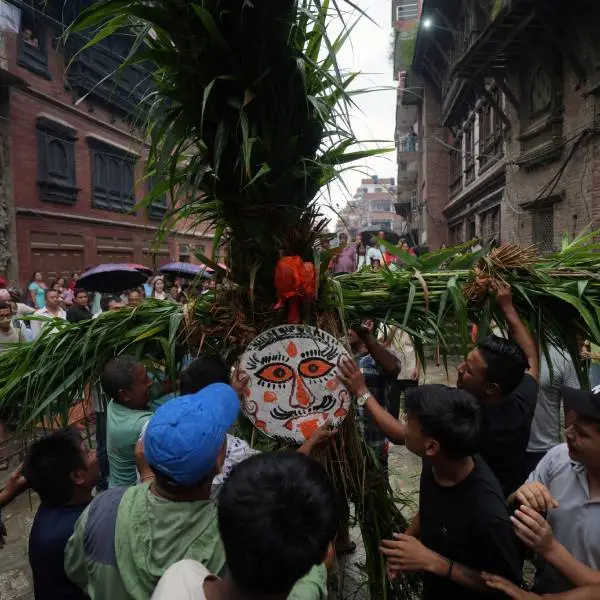
One of the most distinctive elements of Gathamuga is the creation of human-shaped effigies made from materials such as straw, bamboo, dried grass, and other locally available resources. These effigies symbolically represent harmful forces, demons, or negative energy believed to affect the community. During the celebration, the figures may be displayed in neighborhood areas before being carried away, destroyed, or burned as part of a symbolic cleansing ritual. The act represents the removal of unwanted influences and the restoration of peace and positivity within the community.
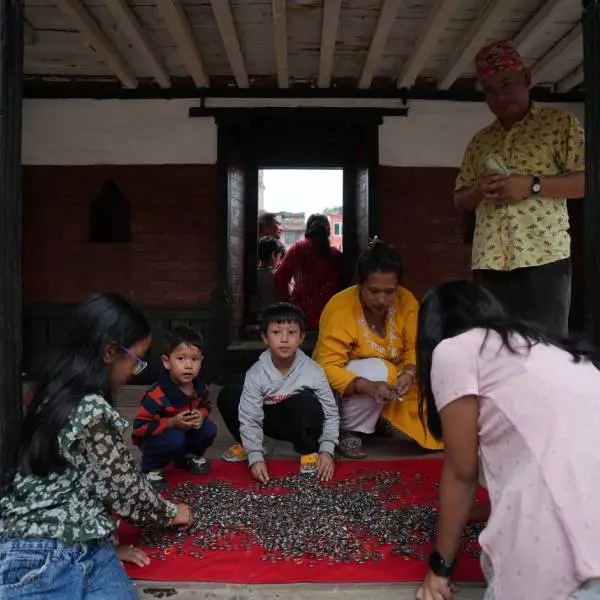
Gathamuga is also connected with household cleaning and protective rituals. Families traditionally clean their homes, courtyards, entrances, and surrounding areas as part of the festival preparations. In some communities, protective practices and religious offerings are performed to safeguard family members and living spaces. These traditions show how the festival combines spiritual beliefs with practical ideas of cleanliness, renewal, and community well-being.
The festival follows the traditional lunar calendar, which means its date changes each year according to the Gregorian calendar. In 2026, Gathamuga is observed on 11 August. Travelers planning to experience the festival should keep in mind that individual communities may perform rituals at different times throughout the day. Local celebrations can also vary depending on neighborhood traditions, making each area slightly different in the way Gathamuga is observed.
Kathmandu, Patan, and Bhaktapur are among the most suitable places to experience Gathamuga because these cities have strong Newar cultural traditions. Historic neighborhoods, traditional courtyards, temple areas, local crossroads, and residential communities often become important gathering points during the festival. Patan and Bhaktapur are particularly known for their preserved traditional architecture and community-based cultural activities, while older neighborhoods of Kathmandu also provide opportunities to observe local rituals and festival preparations.
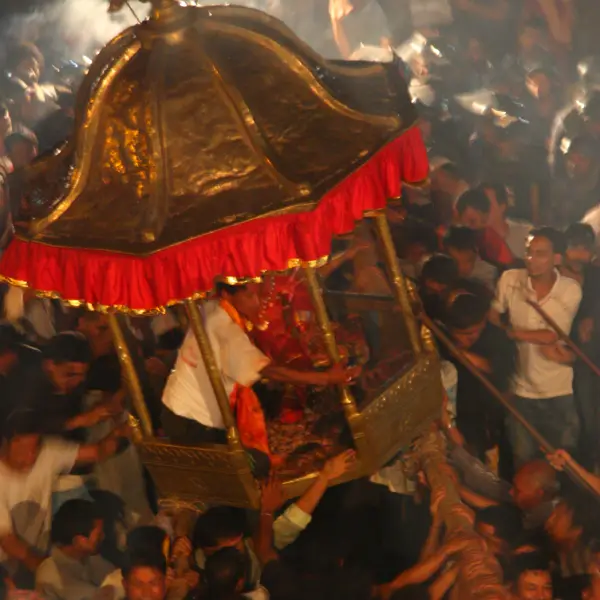
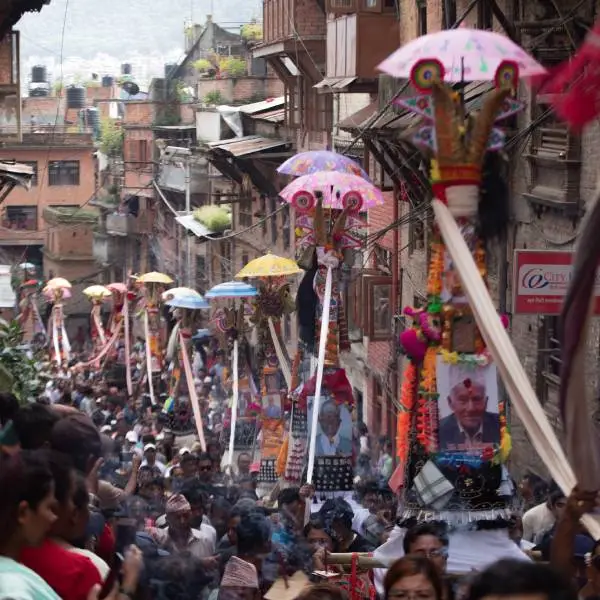
For travelers, Gathamuga offers an opportunity to experience a side of Nepal that goes beyond popular monuments and tourist attractions. The festival provides a closer view of local customs, religious beliefs, family traditions, and neighborhood life. Visitors may see people preparing ritual materials, assembling effigies, cleaning community spaces, visiting temples, or participating in symbolic ceremonies. These vibrant activities offer travelers a rare and authentic window into the living cultural heritage and deeply rooted traditions that have shaped the unique identity of the Kathmandu Valley for centuries.
Photography can be an important part of the experience, especially because the festival includes colorful local scenes, traditional architecture, handmade effigies, community gatherings, and ritual activities. However, visitors should approach photography respectfully. Permission should be requested before taking close photographs of individuals, families, or sensitive religious activities. Some ceremonies may have greater spiritual importance for local residents, so observing quietly and following local guidance helps visitors experience the festival without disturbing the community.
Modest clothing and respectful behavior are recommended when attending festival activities, particularly around temples, shrines, courtyards, and residential neighborhoods. Visitors should avoid blocking ritual areas or interfering with community processions and ceremonies. Traveling with a knowledgeable local guide can make the experience more meaningful because many of the symbols and practices associated with Gathamuga are deeply connected with Newar history, mythology, and traditional beliefs.
The cultural importance of Gathamuga extends beyond its visible rituals. At its core, the festival represents the idea of removing negativity and creating a cleaner, more protected environment for families and communities. The burning or removal of symbolic effigies represents the rejection of harmful influences, while household cleaning and religious practices reinforce ideas of renewal, protection, and positive beginnings.
Gathamuga also demonstrates the strong relationship between religion, community, and everyday life within Newar culture. Rather than being limited to a single temple or ceremonial location, the festival is often experienced within streets, homes, courtyards, and neighborhood spaces. This community-based character gives Gathamuga a distinctive atmosphere and helps preserve traditions that have been passed from one generation to another.
For international and domestic travelers seeking authentic cultural experiences in Nepal, Gathamuga provides a valuable opportunity to observe living heritage in the Kathmandu Valley. The combination of traditional rituals, community participation, symbolic purification, religious practices, and historic surroundings creates an experience that is both visually engaging and culturally meaningful. Experiencing Gathamuga in Kathmandu, Patan, or Bhaktapur can offer visitors a deeper understanding of Newar traditions and the continuing role of festivals in Nepalese cultural life.