Dashain
Dashain is the biggest and most celebrated festival in Nepal, representing the victory of good over evil, family unity, and the deep cultural traditions of Nepalese society. Also known as Bijaya Dashami, this fifteen-day festival is celebrated with great devotion and excitement throughout Nepal. During Dashain, families living in different parts of the country and abroad return to their hometowns to spend time together, receive blessings from elders, and participate in traditional rituals. The festival creates a special atmosphere across Nepal as homes, villages, and cities become filled with happiness, decorations, prayers, and cultural activities.
The main spiritual meaning of Dashain is connected with the victory of Goddess Durga over the demon Mahishasura, symbolizing the triumph of truth, courage, and righteousness over negative forces. The festival is also associated with the victory of Lord Ram over Ravana in some traditions. For devotees, Dashain is a time to worship divine power, seek protection, and pray for prosperity, good health, and happiness. The celebration reminds people about the importance of strength, dedication, and the continuous struggle between positive and negative energies.
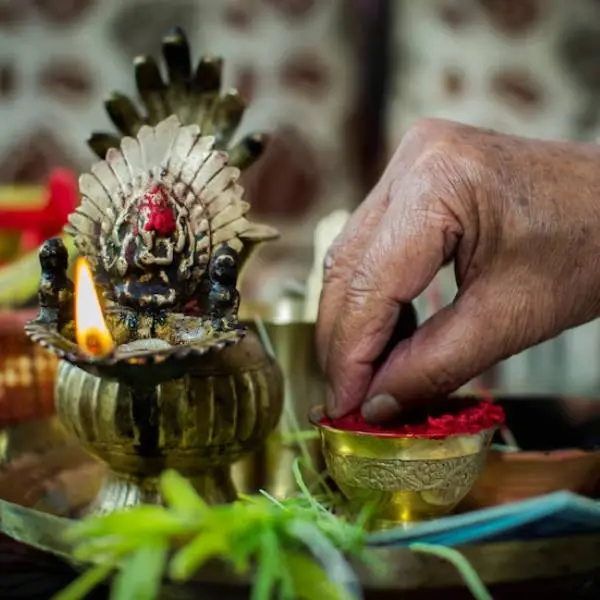
Dashain begins with Ghatasthapana, the first day of the festival, when people plant barley seeds known as Jamara in a sacred place inside their homes. The Jamara is carefully grown for ten days and later used during the main tika ceremony. During this period, many families perform daily prayers and worship different forms of Goddess Durga. Temples dedicated to the goddess receive thousands of devotees who visit to offer prayers, flowers, and other religious offerings.
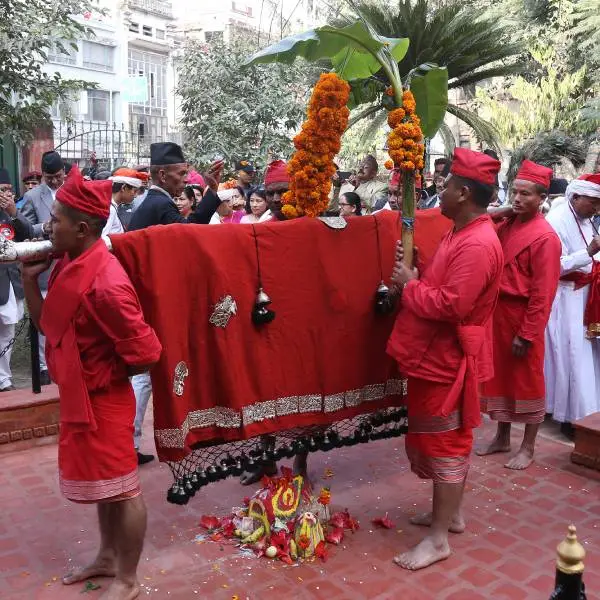
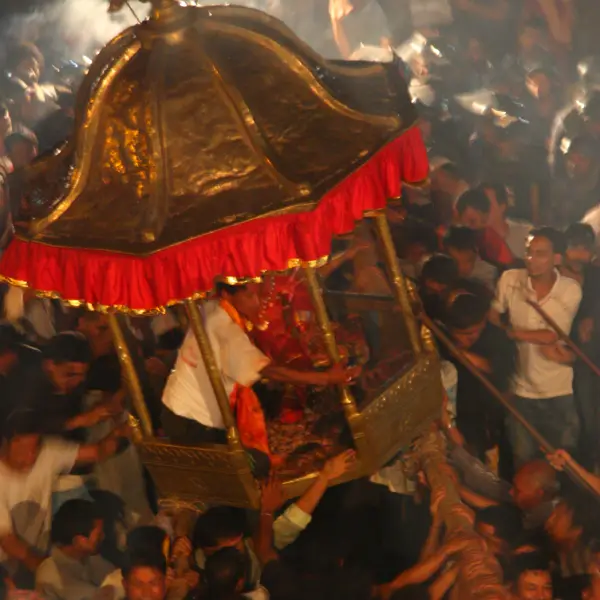
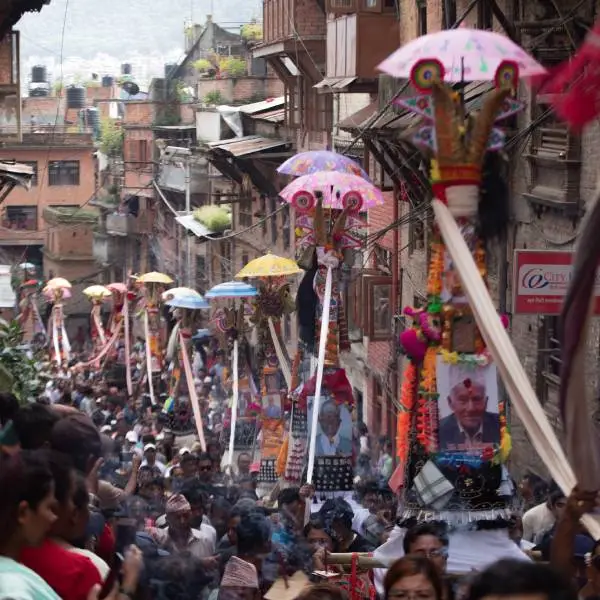
The first days of Dashain are filled with spiritual activities, while the later days focus more on family gatherings and celebrations. Phulpati, the seventh day of Dashain, is an important occasion when sacred offerings are carried in traditional processions. In Kathmandu and other parts of Nepal, special ceremonies and cultural events take place during this period. The arrival of Phulpati marks the beginning of the most important celebration days of Dashain.
Maha Ashtami, Maha Navami, and Vijaya Dashami are considered some of the most significant days of the festival. During Maha Ashtami and Maha Navami, many devotees worship Goddess Durga and visit temples. Traditional rituals are performed, and communities gather to celebrate together. On Vijaya Dashami, the most important day of Dashain, younger family members receive tika and blessings from elders. The mixture of red vermillion, yogurt, and rice placed on the forehead along with Jamara represents blessings, protection, prosperity, and good fortune.
One of the most beautiful aspects of Dashain is the importance given to family relationships. People travel long distances to return home and celebrate with parents, grandparents, relatives, and friends. The festival provides an opportunity for families to reconnect, share meals, exchange happiness, and strengthen relationships. In Nepalese culture, receiving blessings from elders during Dashain is considered a meaningful tradition that reflects respect and love between generations.
Food is another important part of Dashain celebrations. Families prepare special traditional dishes and enjoy large feasts together during the festival. Popular foods include Sel Roti, meat dishes, sweets, fruits, and other homemade delicacies. Preparing and sharing meals with family members creates a warm and joyful environment throughout the celebration. The festival is not only about religious rituals but also about enjoying togetherness and creating unforgettable memories.
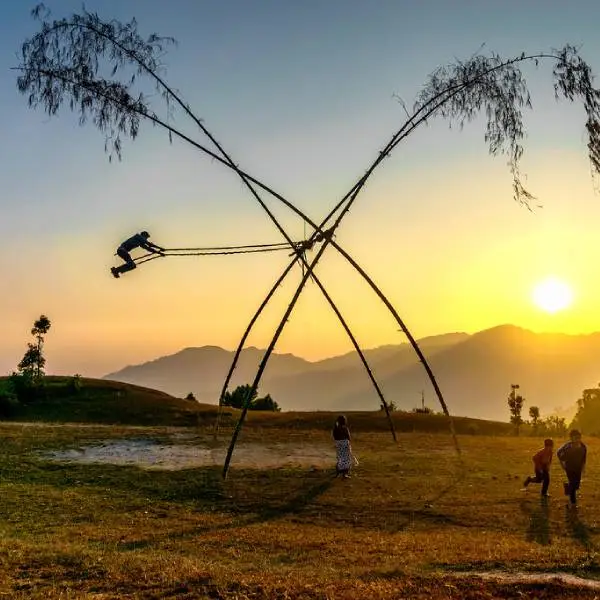
Dashain also brings many cultural activities and outdoor celebrations. During the festival season, people enjoy traditional bamboo swings, kite flying, music, and community gatherings. Villages and neighborhoods become lively as people come together to celebrate. Children especially enjoy the festive environment, new clothes, swings, and activities organized during this special time of the year.
For travelers visiting Nepal, experiencing Dashain offers a unique opportunity to understand the country’s culture, traditions, and family values. Unlike festivals that are limited to specific locations, Dashain is celebrated throughout Nepal, allowing visitors to experience different regional customs. Travelers can explore temples, observe rituals, visit local communities, and witness how deeply traditions are connected with everyday life.
The Kathmandu Valley is one of the best places to experience Dashain because of its historic temples, cultural heritage sites, and traditional celebrations. Places such as Kathmandu, Patan, and Bhaktapur offer visitors a chance to observe ancient customs alongside beautiful architecture and local traditions. Rural villages also provide an authentic experience where travelers can see family gatherings and traditional celebrations in a peaceful environment.
Dashain represents the heart of Nepalese culture, where spirituality, family, tradition, and community come together. It is more than just a festival; it is a celebration of relationships, faith, and the values passed from one generation to another. The colorful rituals, delicious food, blessings, and joyful gatherings make Dashain one of the most memorable cultural experiences in Nepal.
For those planning a cultural journey through Nepal, experiencing Dashain can become a highlight of their visit. The festival provides a deeper connection with local communities and allows travelers to witness the traditions that have shaped Nepal’s identity for centuries. From temple rituals and family gatherings to cultural celebrations and heartfelt blessings, Dashain showcases the true spirit of Nepal and its people.