Chhat
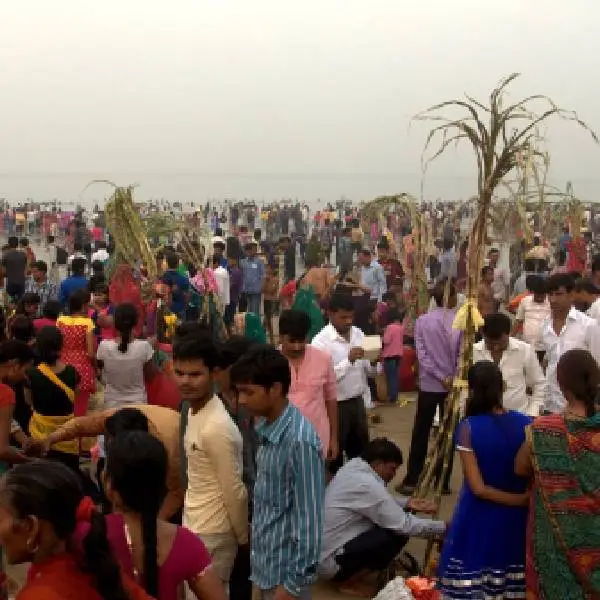
Chhath Puja, also written as Chhat Parva, is one of Nepal’s most deeply observed festivals of sun worship. It is particularly important to communities of the Madhesh and Mithila regions, although celebrations now take place in Kathmandu and other parts of the country. The festival honours Surya, the Sun God, and Chhathi Maiya. Through prayer, fasting and offerings, devotees express gratitude for sunlight, life, harvests, good health and family well-being. Unlike festivals centred mainly inside temples, the most important Chhath ceremonies take place beside rivers, ponds and lakes.
The main observance falls on Kartik Shukla Shashthi, the sixth lunar day of the bright half of Kartik. In 2083 B.S., the four-day Chhath festival will run from Kartik 27 to Kartik 30, corresponding to 13–16 November 2026. The main evening ceremony, known as Sandhya Arghya, will be observed on Sunday, 15 November 2026, or Kartik 29. The concluding morning offering will take place on Monday, 16 November. Since prayer times depend on the local sunset, sunrise and community programme, travellers should confirm the final schedule shortly before attending.
Chhath is celebrated most prominently across Nepal’s southern plains. Janakpurdham attracts thousands of worshippers, and its sacred ponds become important gathering places during the festival. Celebrations also take place in towns throughout the Terai. In Kathmandu, families gather near approved ponds and riverbanks, particularly along parts of the Bagmati River. The exact public worship locations can change because of municipal arrangements, security measures and crowd management, so international visitors should verify the authorised venue for that year.
The first day is called Nahay Khay, which can be understood as “bathe and eat.” Devotees clean their homes, kitchens and worship materials before taking a ritual bath. A simple vegetarian meal is prepared under strict standards of cleanliness and purity. This opening day represents physical preparation as well as the beginning of spiritual discipline.
The second day is known as Kharna. The principal worshippers fast throughout the day while preparing for the more demanding ceremonies ahead. After sunset prayers, they briefly end the fast by eating sacred food, or prasad. Rice pudding made with milk and jaggery is commonly prepared, sometimes accompanied by fruit or flatbread. After this meal, many devotees begin a strict fast without food or water that continues until the final sunrise ceremony.
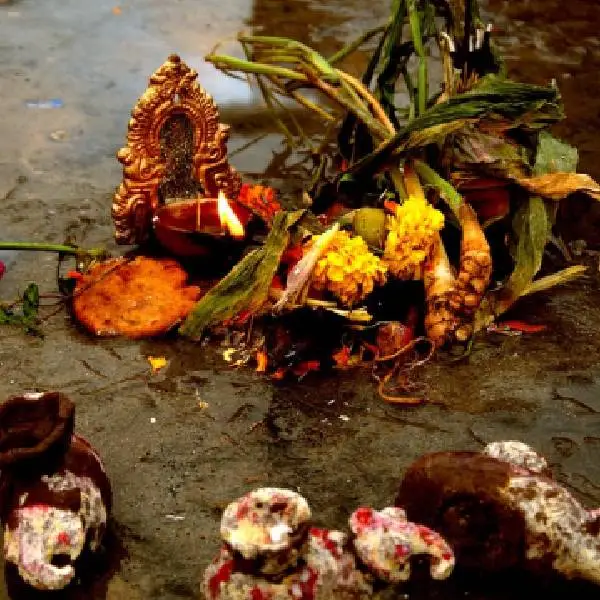
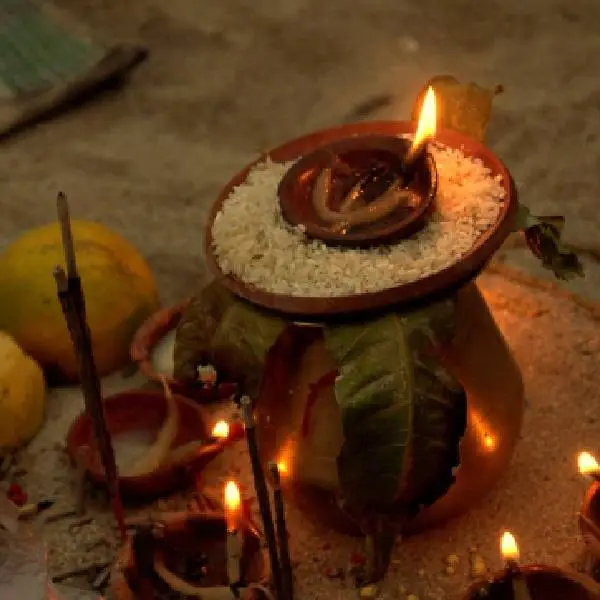
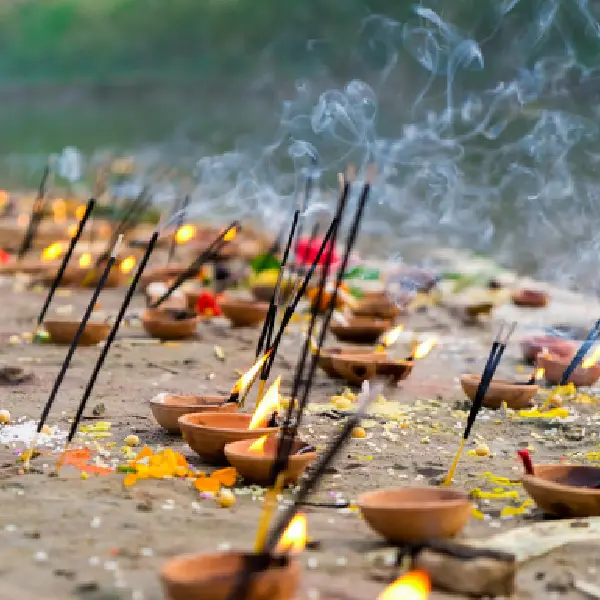
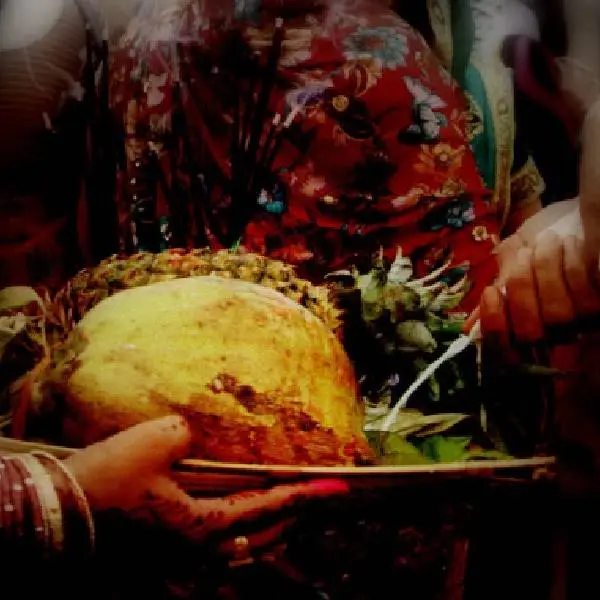
Sandhya Arghya on the third day produces the festival’s most recognisable scenes. Families carry carefully arranged bamboo baskets and trays containing bananas, coconuts, sugarcane, citrus fruits, earthen lamps and homemade sweets such as thekua. Before sunset, fasting worshippers enter the water and face the descending sun. They offer water, prayers and sacred items while relatives stand nearby with baskets and lamps.
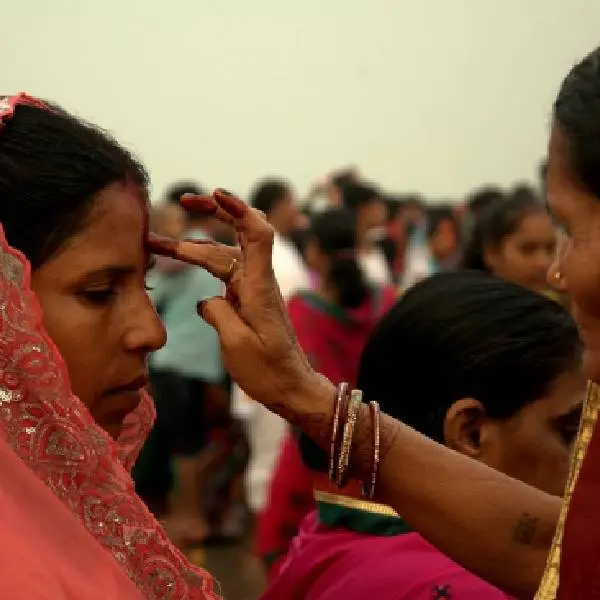
Worshipping the setting sun gives Chhath a distinctive meaning. The ritual recognises not only the sun at the height of its power but also its daily decline, reflecting gratitude for the complete cycle of nature. Traditional clothing, illuminated lamps and devotional music create a peaceful yet visually powerful atmosphere around the ghats. Chhath folk songs, often sung in Maithili and Bhojpuri, preserve stories, beliefs and family traditions that have been passed between generations.
Before dawn on the fourth day, families return to the water for Usha Arghya. Devotees wait as the horizon gradually brightens and present their offerings when the rising sun appears. This ceremony represents hope, renewal, and the beginning of a new day. The sharing of food brings the demanding period of personal discipline to a communal conclusion.
International visitors should arrive well before sunset for Sandhya Arghya or at least an hour before sunrise for Usha Arghya. Festival sites become extremely crowded, and arriving late may make it difficult to observe the rituals without disturbing devotees. Modest clothing and quiet behaviour are appropriate. Visitors should not touch offering baskets, enter a family’s ritual space without permission, or stand between a worshipper and the sun during prayer.
Photography is generally possible from public viewing areas, but worship must always take priority. Permission should be requested before taking close portraits of fasting devotees, children or families preparing offerings. Flash photography, drones and intrusive filming equipment should be avoided. Visitors should not enter the water simply to obtain a better photograph. Using a longer camera lens makes it possible to document the ceremony while maintaining a respectful distance.
Travellers attending Chhath in Kathmandu can reach the main gathering areas by taxi or private vehicle, although road closures may require walking the final distance. Janakpur can be reached from Kathmandu by road or a short domestic flight. Journey DMC can arrange transportation, accommodation and local guidance as part of a customised Chhath festival experience. The celebration can also be combined with the company’s Janakpur–Halesi Mahadev–Kathmandu pilgrimage, a Kathmandu cultural programme or a broader spiritual tour of Nepal.