Buddha Jayanti
Buddha Jayanti, also known as Buddha Purnima, is one of Nepal’s most important Buddhist observances. The festival remembers the life and teachings of Siddhartha Gautama, who became known as Gautama Buddha. It is observed on the full moon of Baisakh and traditionally commemorates three defining moments associated with the Buddha: his birth, attainment of enlightenment, and Mahaparinirvana. In 2026, Nepal observed Buddha Jayanti on 1 May, and the celebration marked the 2570th Buddha Jayanti.
Nepal has a unique connection with this occasion because Lumbini is recognised as the birthplace of Siddhartha Gautama. Situated in Nepal’s southern Terai, Lumbini has drawn Buddhist pilgrims for centuries. UNESCO records the site as the Buddha’s birthplace and notes the Ashoka Pillar as important historical evidence of its religious significance. Lumbini was inscribed on the UNESCO World Heritage List in 1997 and remains one of the world’s major Buddhist pilgrimage destinations.
On Buddha Jayanti, Lumbini takes on a particularly contemplative atmosphere. Monks, nuns, pilgrims, local families, and international visitors gather around the Maya Devi Temple, the sacred garden, monasteries, and surrounding pilgrimage areas. Prayer, meditation, chanting, lamp lighting, and quiet reflection take place throughout the day. During the 2026 celebration, devotees from Theravada, Mahayana, and Vajrayana traditions participated in ceremonies at the Maya Devi Temple, reflecting the different Buddhist traditions represented in Lumbini.
The festival is less about spectacle and more about personal conduct. Many Buddhists use the day to reflect on the Buddha’s teachings concerning compassion, mindfulness, wisdom, non-violence, and freedom from unnecessary suffering. People may spend additional time meditating, listening to religious teachings, reciting scriptures, visiting monasteries, or making charitable donations. Acts of generosity are considered especially meaningful because the occasion encourages people to place kindness into practice rather than limiting devotion to ceremony alone.
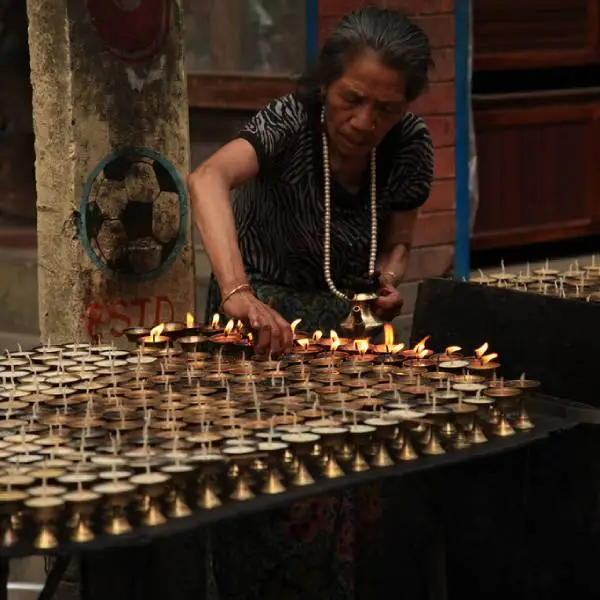
Lighting lamps is one of the most recognisable traditions associated with the celebration. Rows of glowing butter lamps and candles can be seen around temples, stupas, monasteries, and household shrines. Light carries a powerful symbolic meaning in Buddhism, representing wisdom and the movement away from ignorance. Incense, flowers, prayer flags, and other simple offerings may accompany the lamps, creating a peaceful atmosphere around sacred sites.
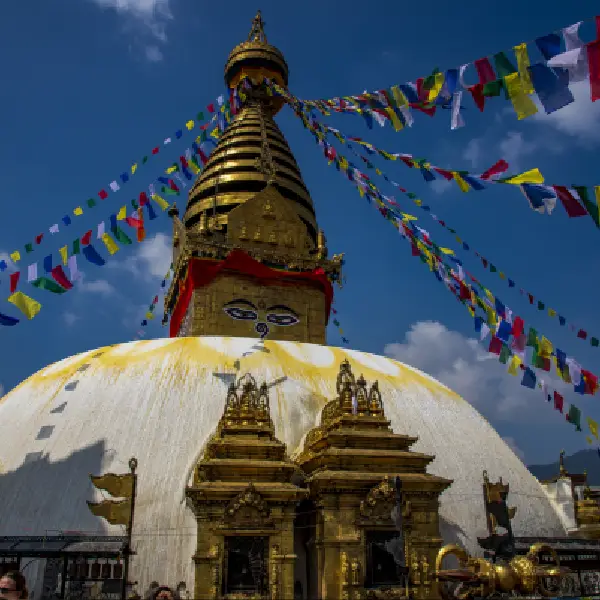
Buddha Jayanti is also widely observed in the Kathmandu Valley. Swayambhunath becomes especially busy as Buddhist and Hindu devotees visit the hilltop shrine to offer prayers and walk clockwise around the stupa. Nepal Tourism Board identifies Buddha’s birthday as one of the occasions when Swayambhunath receives particularly large crowds. The site itself also reflects Nepal’s long history of Buddhist and Hindu traditions existing within the same sacred landscape.
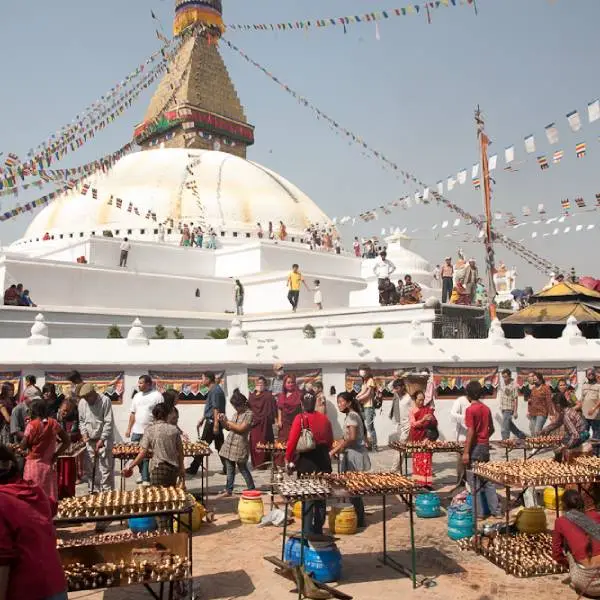
Boudhanath is another important gathering place. Pilgrims move around the great stupa while spinning prayer wheels, carrying prayer beads, reciting mantras, and making offerings. Monasteries in the surrounding neighbourhood conduct their own religious activities, and the area can remain active from early morning into the evening. For visitors, watching hundreds of people complete the kora around the stupa offers a powerful glimpse into Buddhist practice as part of everyday life.
The day is observed at other Buddhist heritage locations across Nepal as well. In 2026, Buddha Jayanti programmes were held at Ramagrama, Devadaha, and Tilaurakot, where monks, devotees, and visitors participated in meditation, prayers, puja ceremonies, and lamp offerings. These places form part of the wider historical landscape connected with the life and heritage of the Buddha and the ancient Sakya world.
Lumbini remains the most meaningful destination for travelers hoping to experience the festival in depth. The archaeological remains around Maya Devi Temple, sacred pond, Ashoka Pillar, international monasteries, meditation spaces, and landscaped zones create an environment that encourages visitors to slow down rather than rush between attractions. UNESCO notes that Lumbini has served as a pilgrimage centre from very early periods of Buddhist history.
The character of Buddha Jayanti can also be seen in activities centred on peace and social well-being. The 2026 observance in Lumbini included a peace meditation marathon and a Kathmandu-to-Lumbini cycling programme promoting peace, compassion, and non-violence. Thousands of visitors gathered in the sacred area, while meditation and prayer remained at the heart of the main celebration.
Travelers attending Buddha Jayanti should remember that major Buddhist sites are functioning places of worship. Modest clothing is appropriate, voices should be kept low around prayer areas, and visitors should avoid stepping in front of people performing prostrations or meditation. When walking around stupas and other sacred structures, following the movement of local pilgrims helps visitors respect established customs.
Photography should also be approached carefully. Temple interiors and religious ceremonies may have restrictions, while monks and individual worshippers should not be photographed closely without permission. Early morning and evening are often rewarding times to visit because the light is softer and religious activities can feel more intimate.
At its heart, Buddha Jayanti in Nepal is a day for remembering ideas that remain relevant far beyond any single religion: compassion, awareness, restraint, peace, and respect for life. In Lumbini, those ideas carry additional meaning because they are remembered in the landscape traditionally associated with the Buddha’s birth. From lamps glowing beside ancient sacred sites to pilgrims circling the great stupas of Kathmandu, the festival offers visitors a quiet but powerful encounter with one of Nepal’s most significant spiritual traditions.