Saraswati Puja
Saraswati Puja is one of Nepal's most cherished religious festivals, dedicated to Goddess Saraswati, the Hindu goddess of wisdom, knowledge, learning, music, and the arts. The festival is celebrated on Shree Panchami or Basant Panchami, which falls during the Nepali month of Magh (January–February) and marks the arrival of spring. On this auspicious day, students, teachers, artists, musicians, and scholars worship Goddess Saraswati, seeking her blessings for wisdom, creativity, academic success, and intellectual growth. Schools, colleges, universities, temples, and homes across Nepal become centers of celebration, where devotees gather to offer prayers and participate in traditional rituals. Saraswati Puja beautifully combines religious devotion with Nepal's strong respect for education and cultural heritage.
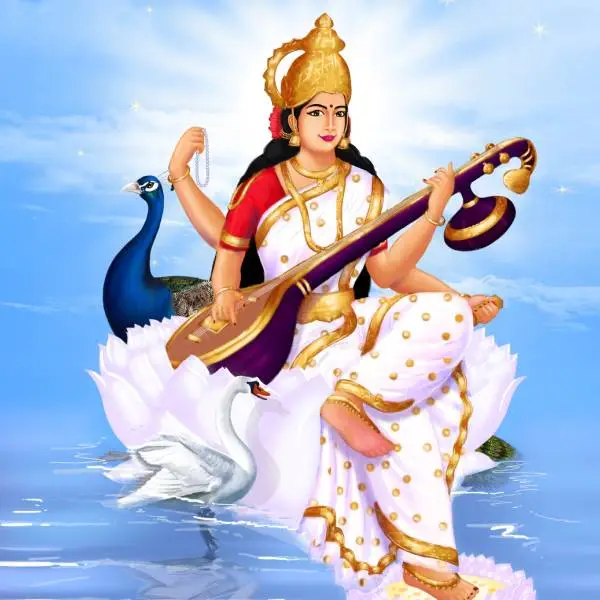
According to Hindu mythology, Goddess Saraswati emerged from the divine creative energy of Lord Brahma, the creator of the universe. She is believed to have brought knowledge, speech, music, and wisdom to humanity, transforming a silent world into one filled with learning, creativity, and expression. Saraswati is traditionally depicted wearing white garments, symbolizing purity and truth, while seated on a white lotus or riding a graceful swan. She carries a Veena, representing music and harmony, along with sacred scriptures that symbolize wisdom and education. Her calm appearance reflects the belief that true knowledge should be pursued with humility, discipline, and compassion. Because of these qualities, she is revered as the patron deity of students, teachers, writers, artists, and anyone seeking intellectual or creative inspiration.
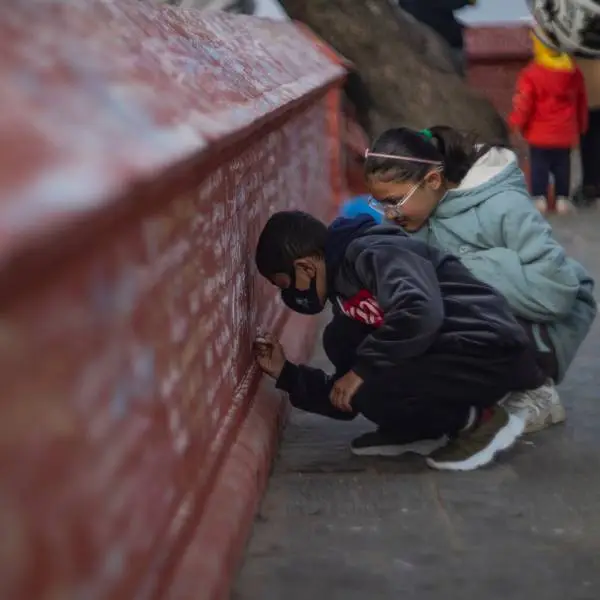
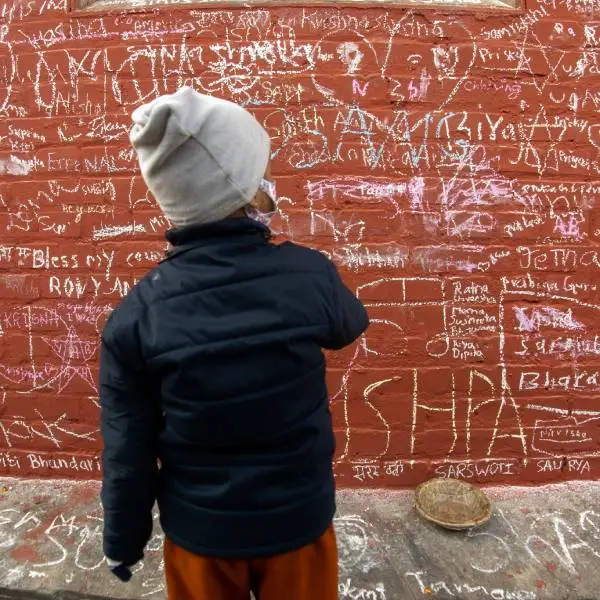
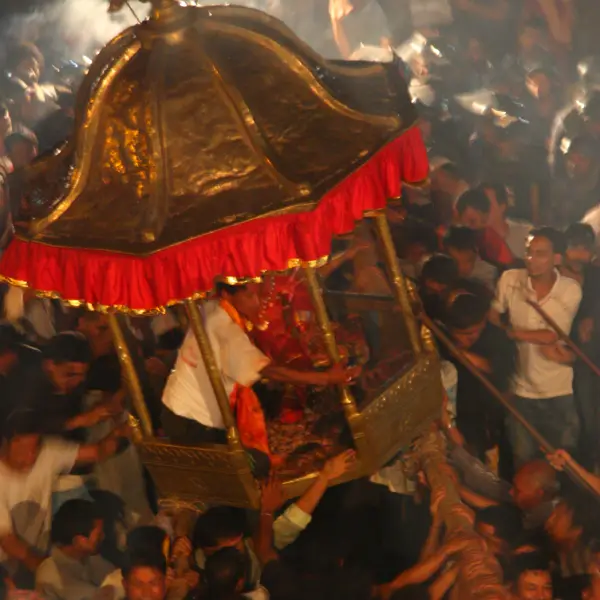
Saraswati Puja is celebrated with devotion throughout Nepal. Early in the morning, devotees clean their homes, classrooms, and temples before decorating them with flowers, lamps, and colorful offerings. Books, notebooks, musical instruments, paintings, and educational materials are placed before images or idols of Goddess Saraswati to receive her blessings. Students offer flowers, fruits, sweets, incense, and prayers, asking for success in their studies and future endeavors. One of the most meaningful traditions is the Akshararambha ceremony, during which young children are introduced to reading and writing for the first time. Parents and teachers help children write their first letters, believing that beginning education on this auspicious day brings lifelong knowledge and good fortune. Throughout the day, devotional songs, cultural performances, and educational programs are organized in schools and temples.
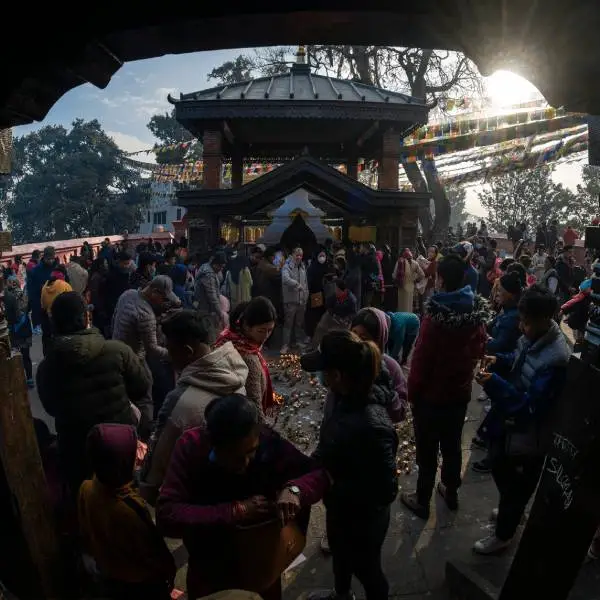
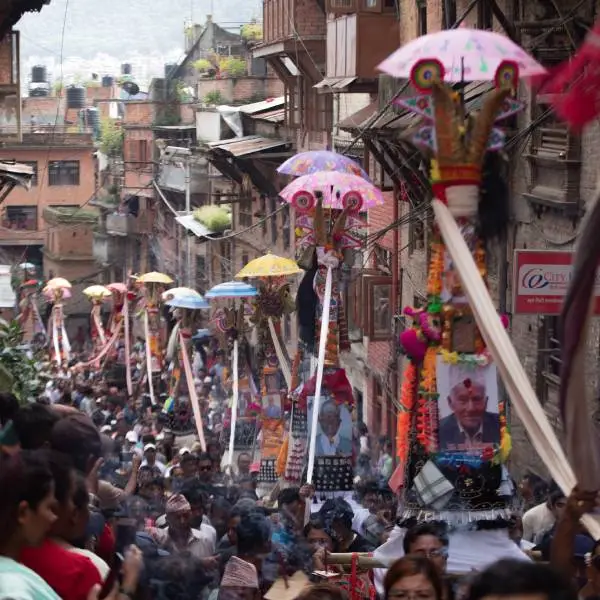
The festival is celebrated across Nepal, with each region adding its own local character while preserving the same religious spirit. In the Kathmandu Valley, thousands of students visit the famous Swayambhunath Stupa, where the Saraswati shrine attracts long lines of devotees offering prayers for academic success. Lele Saraswati Temple in Lalitpur is another important pilgrimage site, drawing students and families from across the country. Schools and universities throughout Kathmandu, Pokhara, Chitwan, Dharan, and other cities organize special worship ceremonies and cultural activities. Although the traditions may vary slightly from place to place, the central theme of honoring learning and wisdom remains the same throughout Nepal.
Beyond its religious importance, Saraswati Puja holds deep cultural and social significance. The festival reflects Nepal's longstanding respect for education, literature, music, and the arts. It reminds people that knowledge is one of society's greatest treasures and encourages lifelong learning, creativity, and self-improvement. Saraswati Puja also strengthens the relationship between teachers and students while inspiring young people to pursue education with dedication and discipline. Artists and musicians seek blessings for creative inspiration, making the festival a celebration of both intellectual achievement and artistic expression.
For travelers, Saraswati Puja offers a unique opportunity to witness Nepal's educational and spiritual traditions. Visiting the Saraswati shrine at Swayambhunath, Lele Saraswati Temple, or educational institutions during the festival allows visitors to observe colorful rituals, devotional ceremonies, and joyful gatherings of students dressed in traditional attire. Travelers can also enjoy cultural performances and explore Nepal's rich heritage of music, literature, and religious architecture. When visiting temples or schools, modest clothing and respectful behavior are appreciated, and permission should always be requested before photographing ceremonies or participants. Joining a local guide can provide valuable insights into the symbolism of the rituals and the importance of Saraswati in Nepalese culture.
Saraswati Puja is far more than a religious observance; it is a celebration of knowledge, creativity, and the pursuit of wisdom. Through prayers, educational traditions, and community participation, the festival continues to inspire generations of learners and artists while preserving one of Nepal's most meaningful cultural and spiritual traditions. For visitors, Saraswati Puja offers a memorable glimpse into a society that deeply values education, learning, and the power of knowledge.