National Paddy Day
National Paddy Day, also known as Asar 15 or Dhan Diwas, is one of the most unique cultural festivals celebrated in Nepal. This special day represents the beginning of the rice plantation season and highlights the deep connection between Nepalese communities, agriculture, and nature. Celebrated during the monsoon season, National Paddy Day brings farmers, families, and travelers together to experience traditional farming practices, cultural activities, and the joy of working together in the green paddy fields. It is not only an agricultural event but also a celebration of Nepal’s rural lifestyle, heritage, and the hardworking farmers who contribute significantly to the country’s food system.
Rice has always been one of the most important crops in Nepal and holds a special place in Nepalese culture. For generations, farming communities have depended on rice cultivation for their livelihood, and the process of planting rice has become an important part of social and cultural traditions. National Paddy Day celebrates the beginning of this farming journey when farmers prepare their fields, plant young rice seedlings, and pray for a successful harvest season. The festival reflects gratitude toward nature and recognizes the dedication of farmers who work throughout the year to provide food for communities.
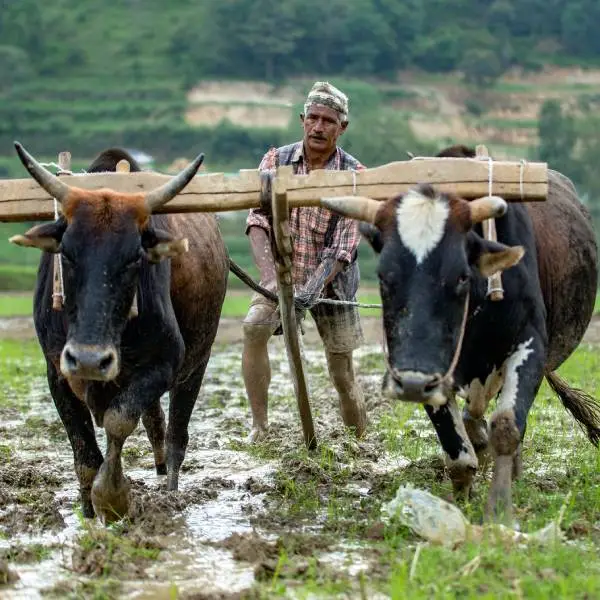
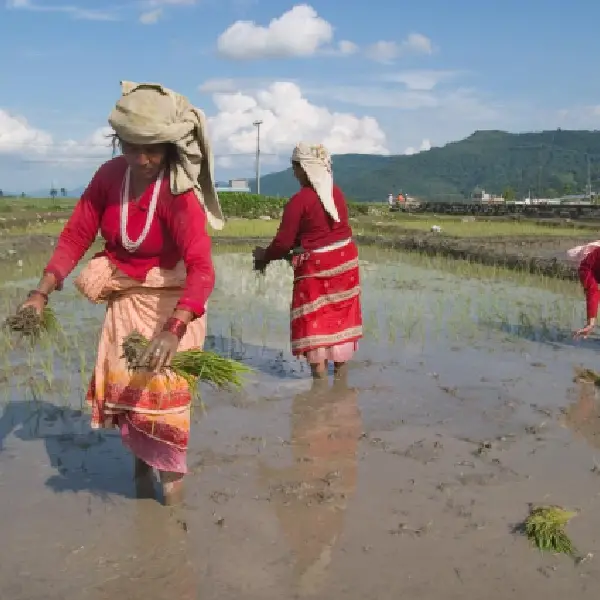
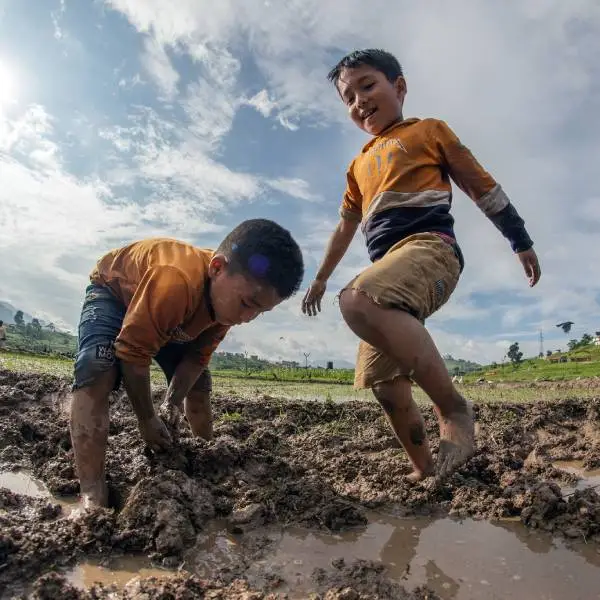
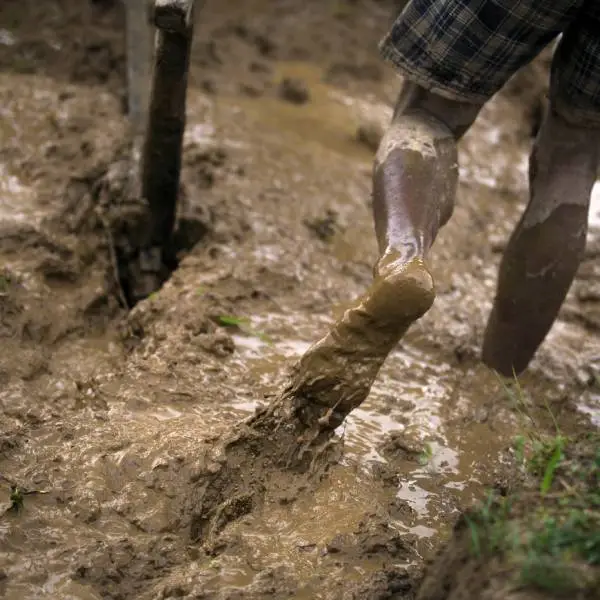
During National Paddy Day celebrations, villages across Nepal become lively with traditional activities and joyful gatherings. Farmers gather in groups to work in the muddy fields while singing traditional folk songs and sharing laughter. The atmosphere becomes colorful as people participate in rice planting activities, splash water and mud with friends, and enjoy the beauty of the countryside during the monsoon season. For visitors, this creates an authentic opportunity to experience Nepal beyond regular tourist attractions and connect with local communities in a meaningful way.
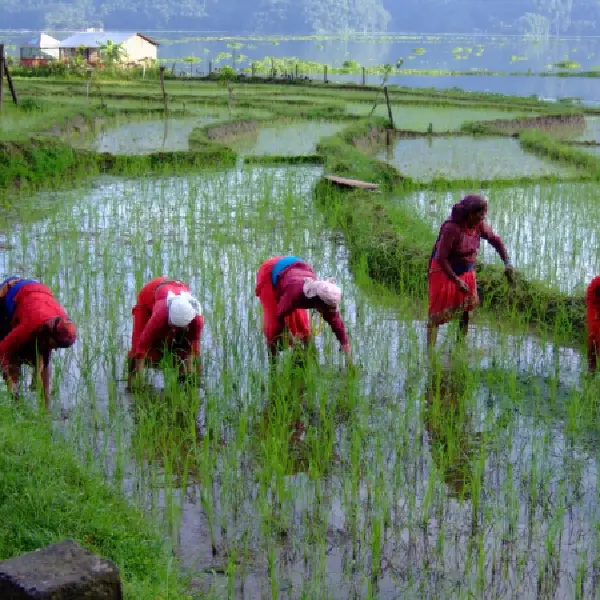
Participating in rice planting is one of the most memorable experiences of National Paddy Day. Travelers can join local farmers, step into the fields, learn traditional farming methods, and understand the effort required to produce rice. The experience allows visitors to become part of the local lifestyle rather than simply observing it. Walking through the muddy fields, planting rice seedlings, and sharing moments with local families create unforgettable memories while providing a deeper understanding of Nepal’s agricultural traditions.
National Paddy Day is also closely connected with traditional Nepalese food and celebrations. One of the most popular foods enjoyed on this occasion is Dahi Chiura, a traditional combination of yogurt and beaten rice. This refreshing meal is especially meaningful because it provides energy after hours of working in the fields and represents the simplicity of Nepalese rural life. Along with Dahi Chiura, people also enjoy seasonal fruits, homemade snacks, and other local dishes while gathering with family members, friends, and neighbors.
The festival provides a wonderful opportunity for cultural exploration and photography. The bright green rice fields, traditional clothing, happy faces, and unique farming activities create beautiful scenes for photographers and travelers. Visitors can capture the real essence of Nepalese village life, from farmers working together in the fields to communities celebrating their shared traditions. The combination of natural beauty and cultural experiences makes National Paddy Day an attractive festival for those who want to explore authentic Nepal.
Travelers can experience National Paddy Day in different regions of Nepal, including areas around the Kathmandu Valley, Pokhara, and rural villages throughout the country. Locations near Kathmandu, such as traditional farming communities around Bhaktapur and Lalitpur, offer easy access for visitors who want to participate in the celebration while staying close to the city. Pokhara provides another beautiful setting where visitors can enjoy farming experiences along with views of mountains, landscapes, and peaceful countryside surroundings. For a more immersive experience, rural villages offer opportunities to stay with local families, participate in farming activities, and discover traditional Nepalese hospitality.
Experiencing National Paddy Day allows travelers to understand the importance of agriculture in Nepalese society. The festival shows how farming is not only a profession but also a way of life that connects generations together. It represents teamwork, respect for nature, and appreciation for the people who work hard to maintain food security. By participating in this celebration, visitors can gain valuable insights into Nepal’s culture and create a stronger connection with local communities.
For those looking for an authentic cultural adventure, National Paddy Day offers a unique experience filled with tradition, nature, and human connection. Unlike ordinary sightseeing activities, this festival allows travelers to actively participate in local customs and share meaningful moments with Nepalese people. The combination of farming traditions, delicious local food, cultural performances, and welcoming communities makes it one of the most memorable cultural experiences in Nepal.
Planning a visit during National Paddy Day is an excellent way to explore Nepal’s rural beauty and experience a festival that reflects the true spirit of the country. Whether you are interested in culture, photography, adventure, or community-based tourism, joining the Paddy Day celebration provides a rare chance to see Nepal from a local perspective. The festival creates lasting memories while showcasing the traditions, values, and agricultural heritage that make Nepal a remarkable destination.