Mother's Day
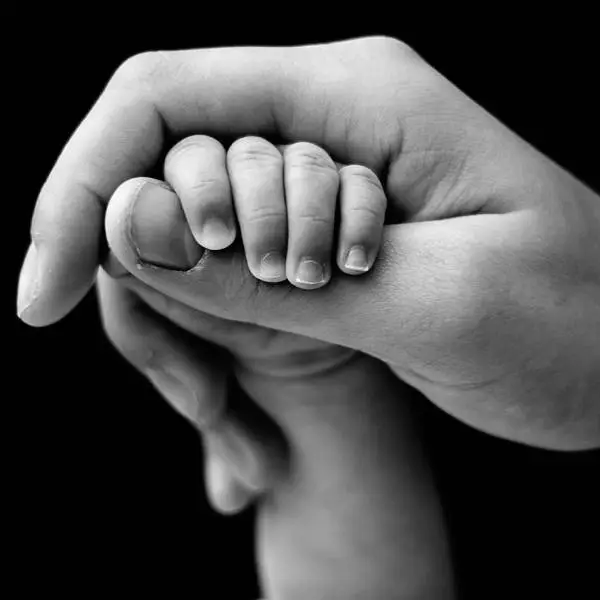
Mother’s Day in Nepal is a beautiful celebration of love, gratitude, and the unforgettable bond between mothers and children. Known as Aama Ko Mukh Herne Din (आमाको मुख हेर्ने दिन), which translates to “the day to see mother’s face,” this special occasion holds deep emotional and cultural importance in Nepali society. Unlike celebrations that are mainly focused on gifts and commercial activities, Mother’s Day in Nepal is centered around respect, family connection, and appreciation for the endless love and sacrifices made by mothers throughout their lives.
In Nepal, a mother is considered one of the most respected figures in a family. She is often seen as the first teacher, protector, and source of emotional strength. From childhood guidance to lifelong support, mothers play an important role in shaping family values, traditions, and personal growth. Mother’s Day provides an opportunity for children to express their love and gratitude by spending time with their mothers, offering gifts, preparing special meals, and receiving blessings. For many Nepalis living far from their homes, this day becomes an emotional reminder of family and the importance of returning to their roots.
The traditions of Aama Ko Mukh Herne Din are closely connected with Nepal’s cultural values. On this day, families gather together and celebrate the relationship between parents and children. Many people visit their mothers, touch their feet as a sign of respect, and seek blessings for happiness and prosperity. The celebration is not only about a single day but also represents the lifelong appreciation children have for their mothers. It reflects the belief that a mother’s love, care, and sacrifices deserve recognition and respect every day.
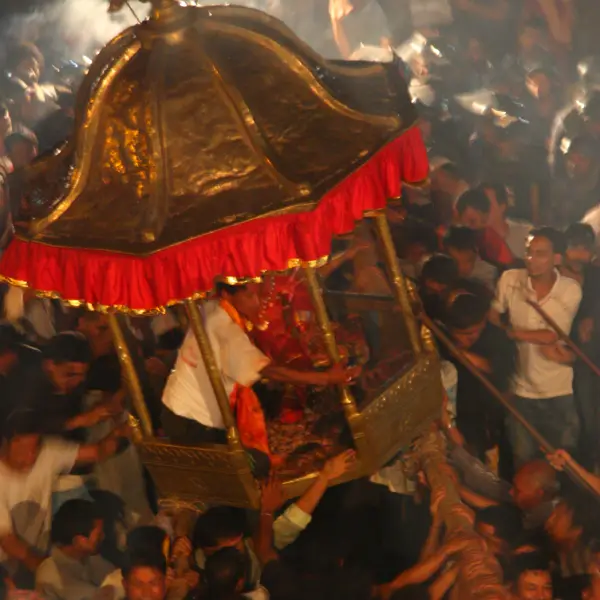
Mother’s Day in Nepal also carries a strong spiritual meaning. Many people remember mothers who have passed away and pay tribute to them through prayers and traditional rituals. One of the most important places associated with this practice is Matatirtha, located near Kathmandu. Thousands of devotees visit this sacred location to remember their mothers and perform religious activities. The emotional atmosphere at Matatirtha reflects the deep connection between family memories, spirituality, and cultural traditions in Nepal.
For travelers interested in experiencing Nepal’s authentic culture, Mother’s Day offers a unique opportunity to discover the emotional side of Nepali life. Nepal is globally known for its Himalayan peaks, trekking adventures, ancient temples, and natural beauty, but festivals like Aama Ko Mukh Herne Din reveal the traditions and human stories that make the country truly special. Experiencing such a festival allows visitors to understand the importance of family relationships and cultural values that continue to shape Nepali society.
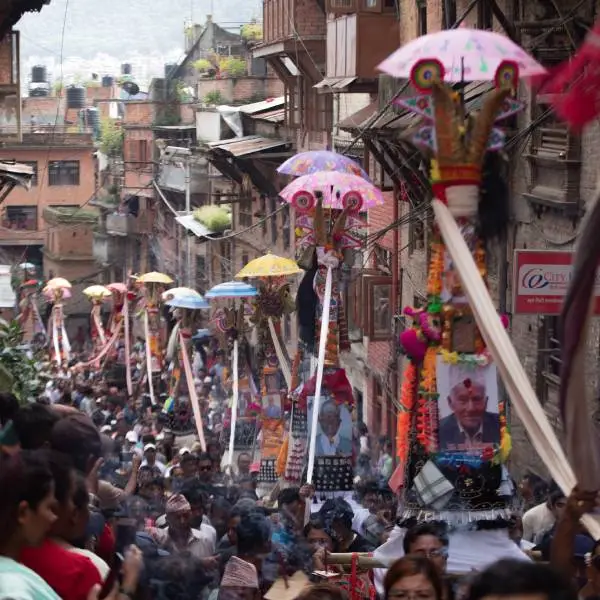
During Mother’s Day celebrations, travelers may observe local families gathering, communities participating in traditional activities, and temples becoming places of remembrance and devotion. The festival creates a warm and welcoming environment where visitors can witness the strong family bonds that are deeply rooted in Nepali culture. These experiences provide a different perspective of Nepal, allowing travelers to connect with local lifestyles beyond typical sightseeing.
A cultural journey during Mother’s Day can include exploring historic places, traditional villages, and heritage sites throughout Nepal. The Kathmandu Valley, with its ancient temples, old settlements, and rich cultural heritage, provides an ideal setting to experience the country’s traditions. Visitors can explore local communities, learn about customs passed down through generations, and understand how festivals continue to bring people together.
Nepal’s festivals are not only celebrations; they are stories of people, emotions, and traditions. Mother’s Day represents the values of kindness, gratitude, and respect that are deeply connected with Nepali culture. It shows how family relationships remain an important part of everyday life, even as society continues to change. The festival reminds everyone of the importance of appreciating loved ones and cherishing the moments shared with family.
Traveling to Nepal during Mother’s Day can create meaningful memories for visitors looking for authentic cultural experiences. Instead of only exploring landscapes and historical landmarks, travelers can become part of the country’s living traditions. Meeting local people, observing celebrations, and learning about the stories behind the festival can make the journey more personal and memorable.
The beauty of Nepal lies not only in its mountains and natural wonders but also in the warmth, traditions, and emotions of its people. Mother’s Day is a perfect example of this cultural richness. It represents the unconditional love between mothers and children while highlighting the importance of family, respect, and gratitude in Nepali society.
Experiencing Aama Ko Mukh Herne Din allows travelers to see a more personal side of Nepal, a country where traditions are preserved, relationships are valued, and festivals bring communities together. This special celebration offers more than a cultural experience; it provides an opportunity to understand the heart and soul of Nepal through the love and respect shown toward mothers.