Maha Shivaratri
Maha Shivaratri, meaning the “Great Night of Lord Shiva,” is one of the most sacred Hindu festivals celebrated in Nepal and across the world. Dedicated to Lord Shiva, one of the principal deities in Hinduism, the festival is observed on the 14th day of the dark fortnight of the lunar month of Falgun (February–March). Maha Shivaratri is considered a night of devotion, meditation, and spiritual awakening, when devotees seek the blessings of Lord Shiva for inner peace, strength, and liberation. In Nepal, the festival holds exceptional importance, with thousands of worshippers gathering at temples throughout the country, especially at the famous Pashupatinath Temple in Kathmandu. The celebration combines religious rituals, fasting, prayers, sacred music, and spiritual gatherings, making it one of Nepal’s most significant cultural and religious events.
According to Hindu mythology, several legends are associated with the origin and significance of Maha Shivaratri. One popular belief is that this night commemorates the divine marriage of Lord Shiva and Goddess Parvati. Devotees celebrate their union as a symbol of harmony, devotion, and the balance between masculine and feminine energies in the universe. Another legend describes Maha Shivaratri as the night when Lord Shiva performed the powerful Tandava, a cosmic dance representing the cycle of creation, preservation, and destruction. Some traditions also connect the festival with the appearance of the endless pillar of light, known as the Jyotirlinga, through which Lord Shiva revealed his supreme divine nature. These stories emphasize Shiva’s role as a symbol of transformation, protection, and spiritual wisdom.
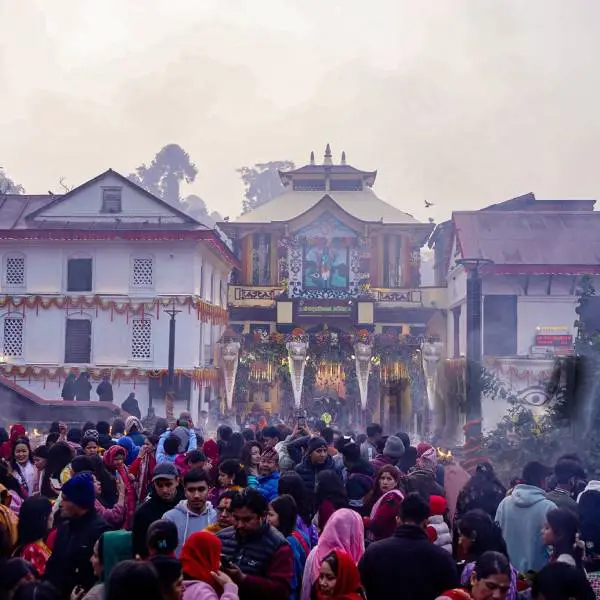
The rituals of Maha Shivaratri begin with devotees observing fasting, meditation, and prayers throughout the day and night. Many worshippers visit Shiva temples carrying offerings such as bel leaves (Bael leaves), flowers, fruits, milk, yogurt, honey, and water, which are poured over Shiva Lingas during sacred ceremonies. Devotees often stay awake throughout the night, participating in devotional singing, chanting of Shiva mantras, and religious gatherings known as Jagran. Some people perform multiple rounds of worship during the night, representing different aspects of Lord Shiva’s divine energy. Many followers believe that sincere devotion and meditation during Maha Shivaratri can remove negativity, bring spiritual growth, and strengthen their connection with the divine.
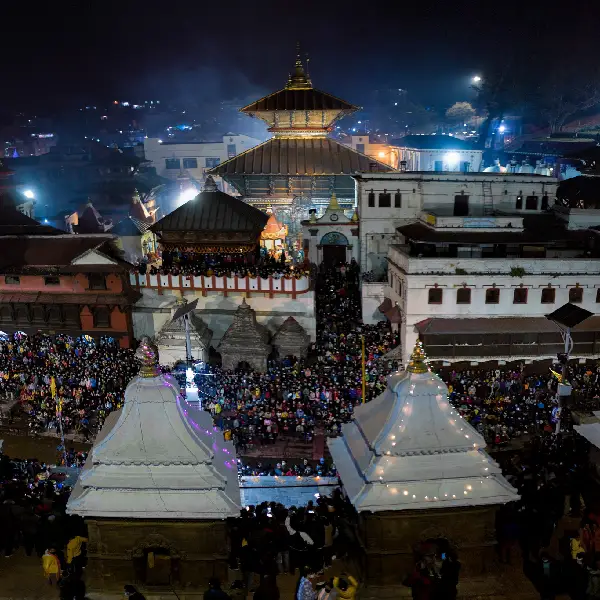
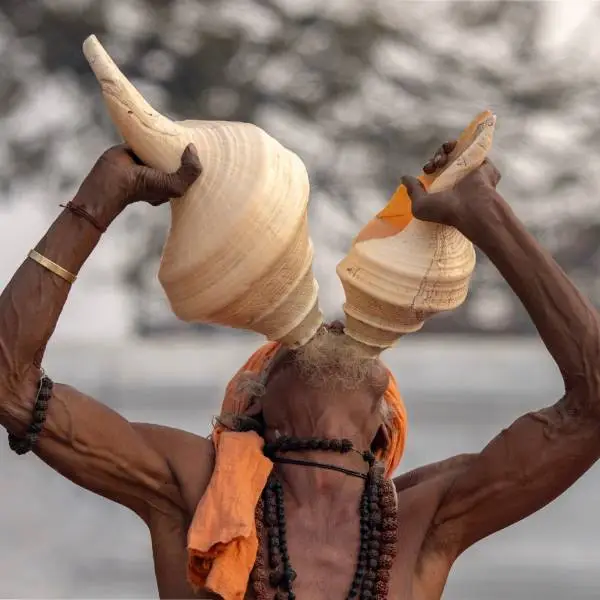
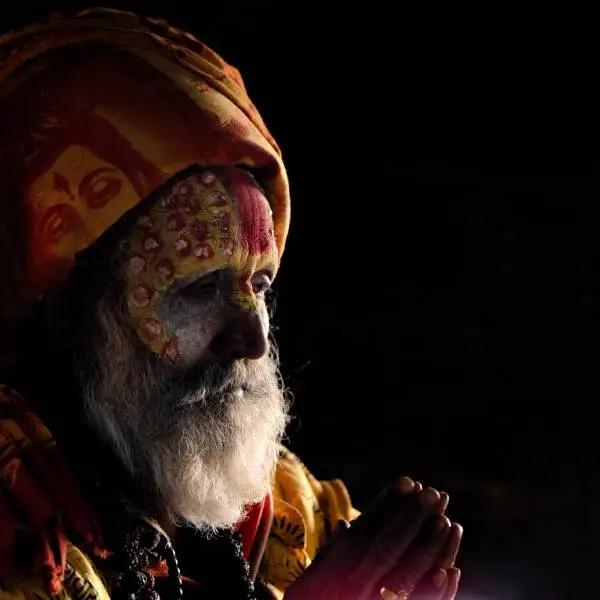
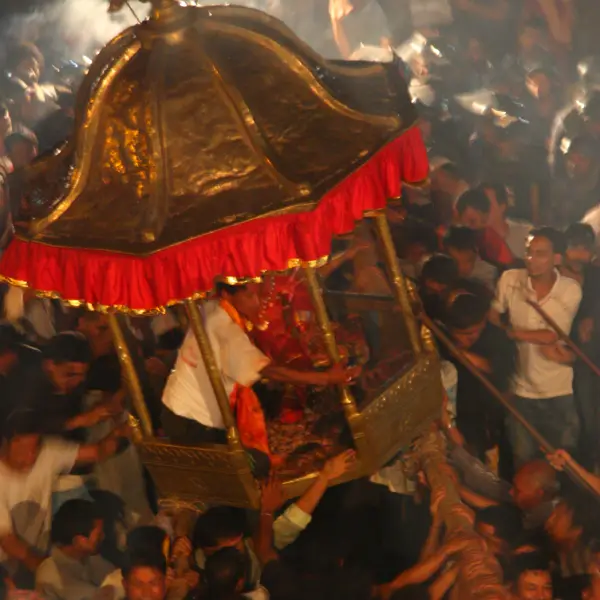
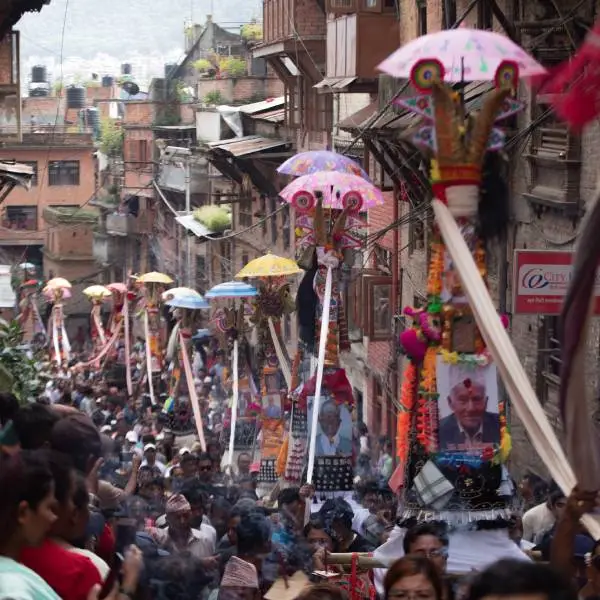
The most important celebration of Maha Shivaratri in Nepal takes place at Pashupatinath Temple, one of the holiest Hindu temples dedicated to Lord Shiva. Located on the banks of the Bagmati River in Kathmandu, Pashupatinath attracts hundreds of thousands of devotees, including Sadhus (Hindu ascetics) from Nepal and India. These holy men, often covered in ash and wearing traditional attire, gather at the temple to meditate, perform rituals, and share spiritual teachings. The temple complex is beautifully decorated with lights, flowers, and religious symbols, while devotees stand in long queues to offer prayers and receive blessings. The atmosphere around Pashupatinath during Maha Shivaratri is a remarkable blend of spirituality, devotion, and cultural expression.
Beyond religious rituals, Maha Shivaratri carries deep spiritual significance. Lord Shiva represents consciousness, meditation, and the ability to overcome ignorance and negative emotions. The festival encourages devotees to reflect on self-discipline, compassion, and the search for inner truth. Many followers believe that staying awake during the sacred night represents awareness and the journey toward enlightenment. For spiritual seekers, Maha Shivaratri is not only an act of worship but also an opportunity for personal transformation and deeper understanding of life.
For travelers, Maha Shivaratri offers a rare opportunity to witness one of Nepal’s most powerful spiritual experiences. Visiting Pashupatinath Temple during the festival allows visitors to observe ancient rituals, sacred ceremonies, traditional music, and the gathering of devotees and ascetics from different regions. Due to the large crowds, travelers should arrive early, follow security instructions, and respect religious practices. Modest clothing is recommended, and visitors should always ask permission before photographing worshippers, monks, or Sadhus. Exploring the festival with a knowledgeable local guide can provide valuable insight into the symbolism, history, and traditions behind the celebration.
Maha Shivaratri is much more than a religious festival; it is a celebration of devotion, spirituality, and the timeless traditions of Nepal. Through prayers, rituals, meditation, and community gatherings, the festival continues to preserve the deep connection between Nepalese culture and Hindu spiritual heritage. For visitors, experiencing Maha Shivaratri at Pashupatinath offers an unforgettable glimpse into Nepal’s sacred traditions and the profound devotion that surrounds Lord Shiva.