Indra Jatra
Indra Jatra is one of the most spectacular and culturally significant festivals celebrated in Nepal, especially in the Kathmandu Valley. Also known as Yenya Punhi, this vibrant festival represents the rich traditions, religious beliefs, and cultural heritage of the Newar community. Dedicated to Lord Indra, the Hindu god of rain and harvest, the festival celebrates the end of the monsoon season while expressing gratitude for rainfall and agricultural prosperity. Indra Jatra is a unique combination of religious ceremonies, traditional dances, chariot processions, and ancient rituals that showcase the living culture of Nepal.
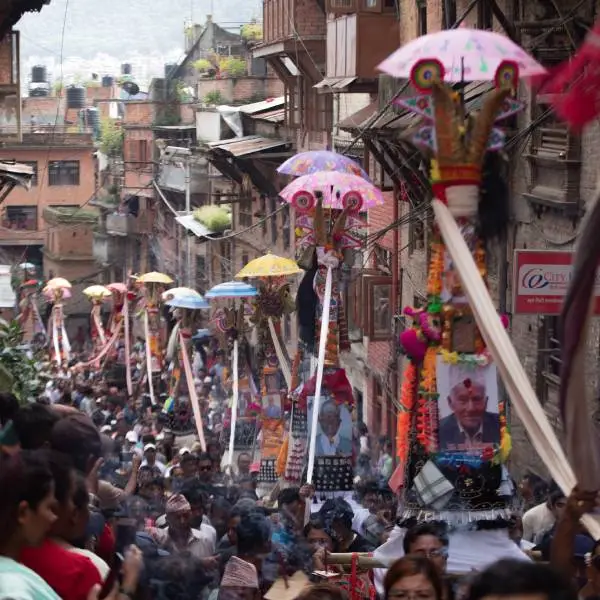
The festival takes place in Kathmandu Durbar Square and surrounding areas for eight days according to the lunar calendar. It is one of the most anticipated cultural events in Nepal, attracting thousands of devotees, locals, and visitors who gather to witness the colorful celebrations. The festival begins with the ceremonial erection of a sacred wooden pole known as Yosin or Linga at Basantapur Durbar Square. This important ritual marks the official beginning of Indra Jatra and represents the connection between heaven, earth, and the divine.
The origins of Indra Jatra are connected with ancient legends and the history of Kathmandu. According to traditional beliefs, Lord Indra once came to Kathmandu disguised as an ordinary person in search of a special flower for his mother. After being mistaken for a thief by local people, he was captured. The festival is believed to commemorate this mythical event and the arrival of the god of rain to the Kathmandu Valley. Historically, the festival is also linked to King Gunakamadeva, who established the celebration in the 10th century as part of Kathmandu’s cultural traditions.
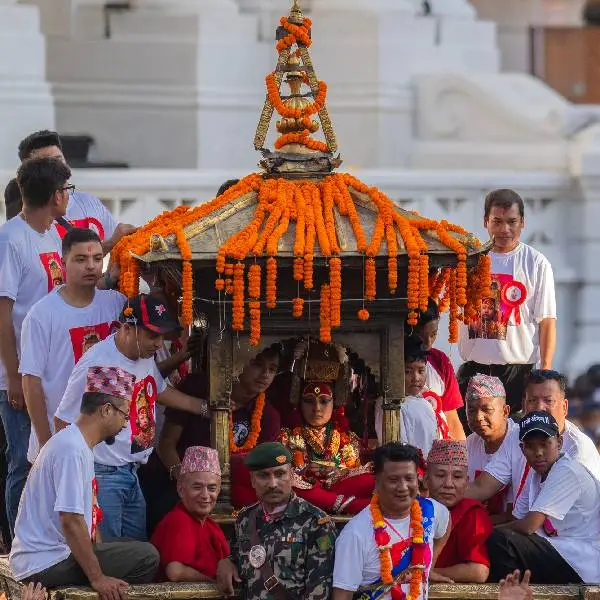
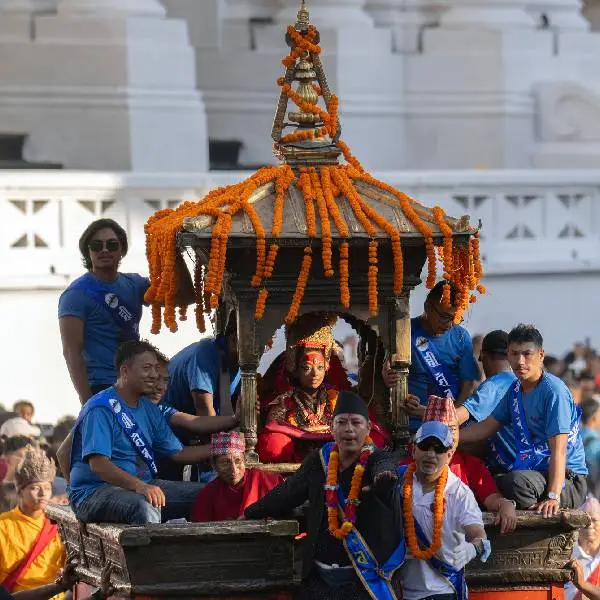
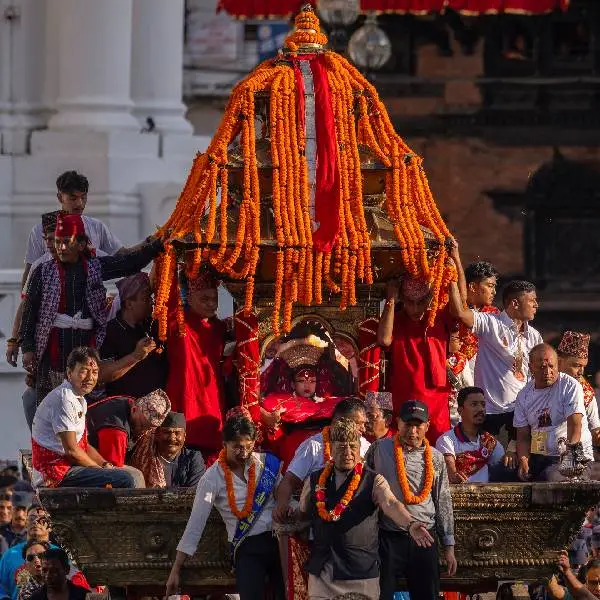
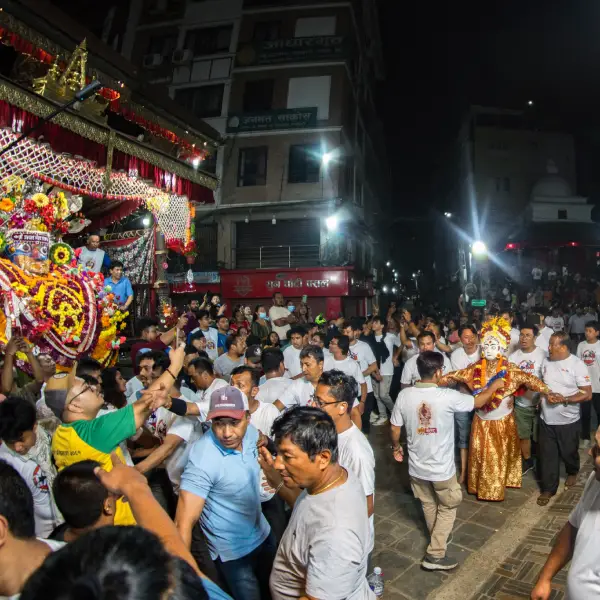
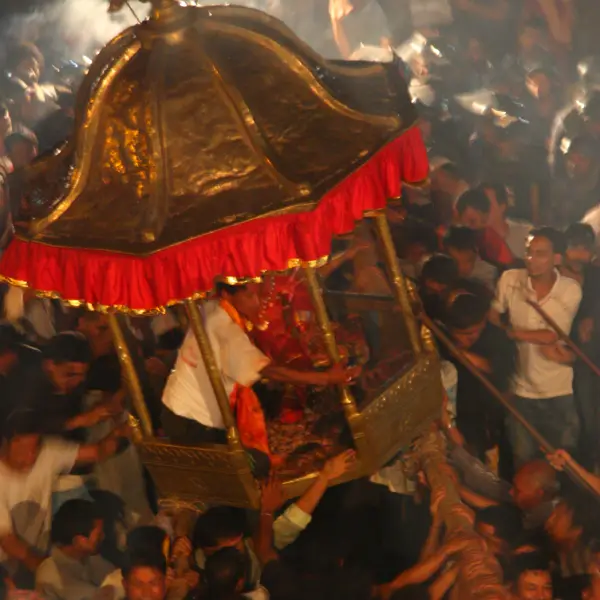
One of the most important highlights of Indra Jatra is the Kumari Jatra, the grand procession of Nepal’s living goddess, Kumari. During this event, the Kumari is carried through the streets of Kathmandu in a beautifully decorated wooden chariot along with representations of Ganesh and Bhairav. Thousands of devotees gather to receive blessings and witness this rare cultural tradition that reflects the deep connection between religion, history, and community life in Nepal.
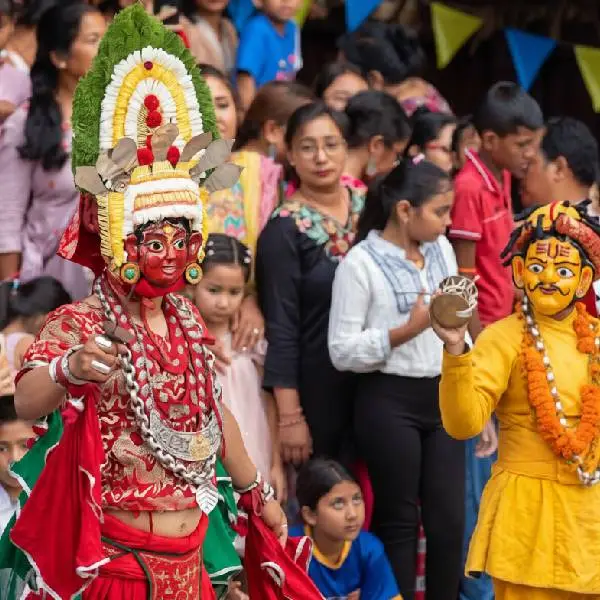
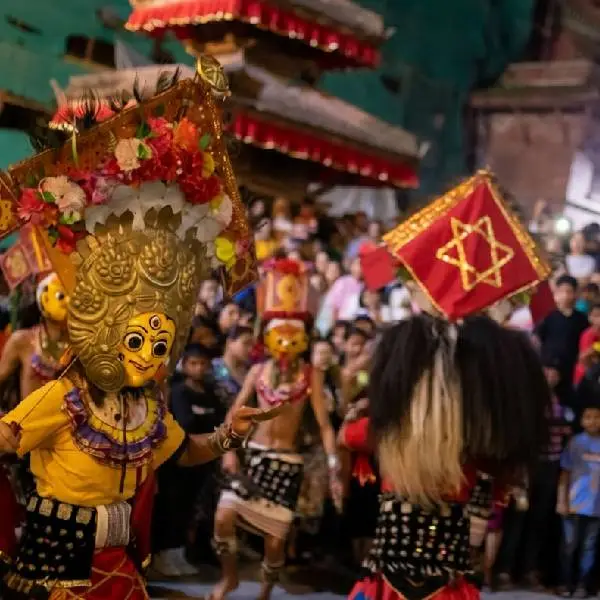
Another major attraction of Indra Jatra is the traditional masked dances performed throughout the festival. Various cultural groups perform dances representing different deities and mythical characters. Among the most famous performances is the Lakhey dance, featuring a powerful masked figure that is believed to protect the city and its people. These traditional performances combine music, storytelling, and spirituality, creating an unforgettable atmosphere in the historic streets of Kathmandu.
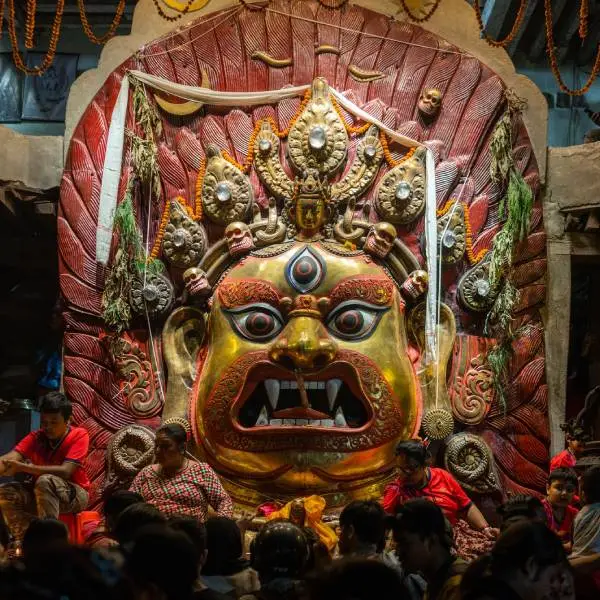
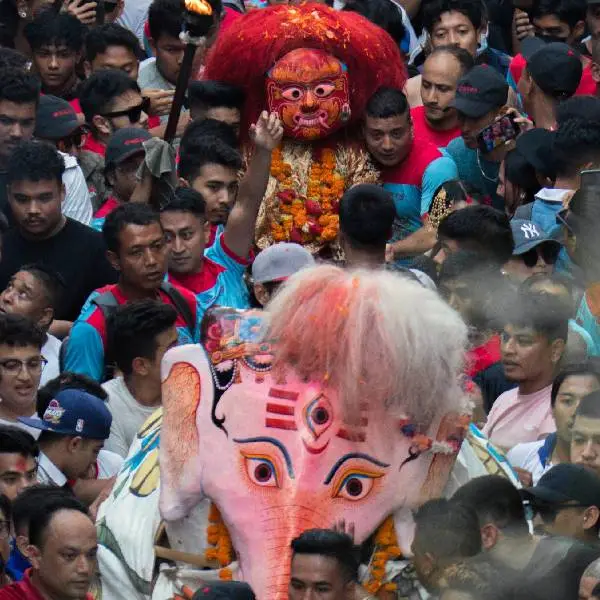
The festival also includes the display of sacred images and large masks of different deities, including Bhairava. These displays attract large crowds who come to offer prayers and experience the spiritual energy of the celebration. Traditional music played with drums and instruments fills the streets, while local communities gather together to celebrate their heritage. The combination of rituals, art, architecture, and community participation makes Indra Jatra one of Nepal’s most visually impressive festivals.
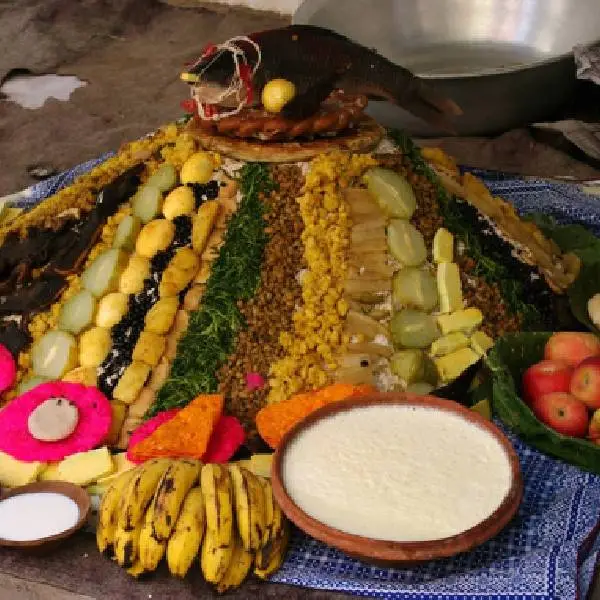
Beyond its religious importance, Indra Jatra represents the cultural identity of the Kathmandu Valley. The festival brings together people from different backgrounds and generations, allowing ancient traditions to continue in modern times. Families participate in rituals, prepare traditional foods, and welcome visitors into their communities. It is a time when the historic areas of Kathmandu come alive with devotion, music, and celebration.
For travelers interested in Nepal’s culture, experiencing Indra Jatra provides a deeper understanding of the country’s traditions beyond its famous mountains and natural landscapes. Nepal is known around the world for trekking, adventure, and scenic beauty, but festivals like Indra Jatra reveal the spiritual and artistic richness that makes the country unique. Visitors can explore historic temples, observe traditional ceremonies, and experience the warmth of local communities during this remarkable celebration.
A cultural journey during Indra Jatra offers the opportunity to explore Kathmandu’s heritage sites, ancient courtyards, and traditional neighborhoods. The narrow streets around Kathmandu Durbar Square become vibrant centers of celebration where history and living traditions come together. Travelers can witness centuries-old rituals continuing in the same spaces where generations of people have gathered before them.
Indra Jatra is more than just a festival; it is a celebration of faith, history, community, and cultural preservation. It reflects Nepal’s ability to maintain its ancient traditions while embracing the modern world. The festival reminds people of the importance of gratitude, unity, and respect for cultural heritage.
Experiencing Indra Jatra allows visitors to witness the heart of Nepal’s cultural identity. From sacred rituals and chariot processions to traditional dances and community celebrations, every moment of the festival tells a story. For those seeking an authentic cultural experience, Indra Jatra offers a memorable journey into Nepal’s history, spirituality, and vibrant traditions.