Chaitra Dashain
Chaitra Dashain, also known as Chaite Dashain or Small Dashain, is a meaningful Hindu celebration observed in Nepal during the month of Chaitra. It is dedicated primarily to Goddess Durga and other forms of Shakti, representing courage, protection, and the victory of positive forces over negativity. Although the festival is smaller in scale than the main Dashain celebrated in autumn, it remains spiritually important for many families and communities. In 2026, Chaitra Dashain was observed on 26 March, when devotees across the country visited temples, performed household worship, and offered prayers for health, protection, and prosperity.
The festival is closely linked with Goddess Durga, who is honored as a powerful symbol of strength and divine protection. Devotees visit temples dedicated to Durga, Kali, Bhagwati, and other forms of the goddess, carrying flowers, incense, fruits, oil lamps, and other offerings. Many people begin the day with prayers at home before visiting nearby shrines. For some families, the occasion is also a time to seek blessings for important decisions, new beginnings, family welfare, and success in the months ahead.
Temple worship forms the heart of Chaitra Dashain. Across Nepal, goddess shrines become especially active as worshippers arrive throughout the day. Some temples attract large numbers of pilgrims from nearby districts, while others remain more local and community-centered. The atmosphere can include bells, incense, devotional chants, offerings, and families waiting patiently for darshan. These rituals reflect the deep connection between Shakti worship and Nepal’s religious traditions.
In places such as Baglung, Chaitra Dashain is closely associated with the famous Kalika Bhagwati Temple. The festival period can bring together pilgrims, residents, traders, and visitors, creating a lively setting around the temple area. Religious activity is often accompanied by fairs, local products, handicrafts, food stalls, and community gatherings. This combination of devotion and social interaction shows how festivals in Nepal often connect worship with local identity and everyday life.
Traditional practices can vary considerably from one region to another. Some temples continue customs that include animal sacrifice, while other devotees prefer symbolic offerings such as coconuts, fruits, flowers, or lamps. These differences reflect the diversity of local traditions within Nepal. Travelers who are unfamiliar with such rituals should be aware that certain ceremonies may feel intense or unfamiliar and should observe them only if they are comfortable doing so.
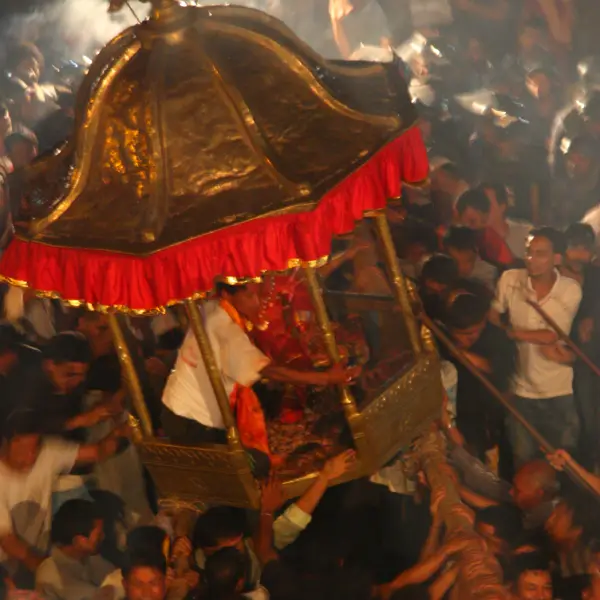
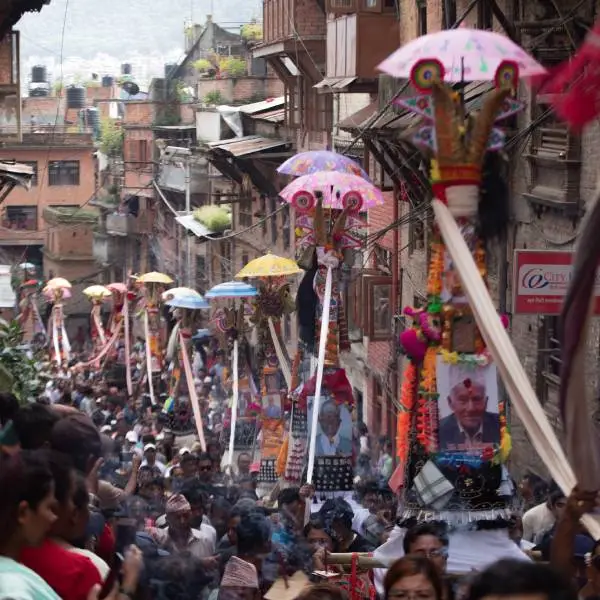
Kathmandu also takes on a distinctive atmosphere during this period. Chaitra Dashain often overlaps with other religious events and seasonal celebrations, adding more activity to temples, courtyards, and historic neighborhoods. In 2026, the festival coincided with the beginning of the Seto Machhindranath chariot celebrations, creating an especially vibrant cultural environment in the capital.
Compared with Bada Dashain, family celebrations during Chaitra Dashain are usually simpler and more focused on worship. Families may prepare special meals, visit relatives, or travel together to a temple dedicated to the goddess. The festival does not normally involve the same long holiday period, large-scale family reunions, or nationwide travel rush associated with autumn Dashain. Even so, it remains an important occasion for maintaining family traditions and expressing devotion.
For visitors, Chaitra Dashain provides a valuable opportunity to experience Nepalese Hindu culture in a more intimate setting. Temple visits, local fairs, devotional gatherings, and family rituals reveal a side of Nepal that is often missed during regular sightseeing. Because the festival is rooted in genuine religious practice rather than tourism, travelers can gain a more authentic understanding of how faith continues to shape daily life.
Respect is especially important when visiting active temples during the festival. Travelers should dress modestly, follow local rules, remove shoes where required, and avoid disturbing people who are praying. Photography should never be assumed to be acceptable, particularly during sensitive rituals. Asking permission and following local guidance helps ensure that the experience remains respectful for both visitors and worshippers.
Chaitra Dashain also reflects the seasonal rhythm of life in Nepal. Celebrated in spring, the festival arrives at a time of warmer weather, changing landscapes, and renewed activity across towns and villages. This seasonal setting gives the celebration an added sense of freshness and new beginnings, complementing its spiritual themes of protection, strength, and renewal.
At its core, Chaitra Dashain in Nepal is a festival of faith, resilience, and connection. Its importance is expressed through temple visits, household prayers, offerings, family traditions, and community gatherings rather than through large-scale spectacle. Though often called Small Dashain, the celebration carries deep meaning for those who observe it. For travelers interested in Nepal’s living religious heritage, Chaitra Dashain offers a meaningful glimpse into the country’s traditions, beliefs, and enduring devotion to the divine feminine.