Bunga Dyo Jatra
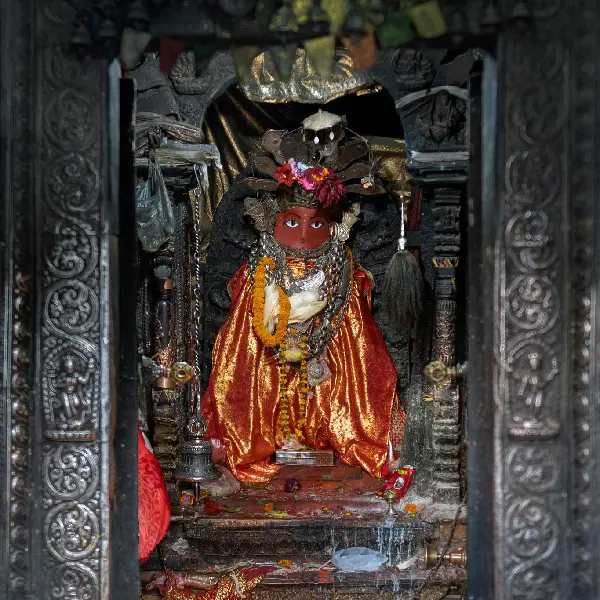
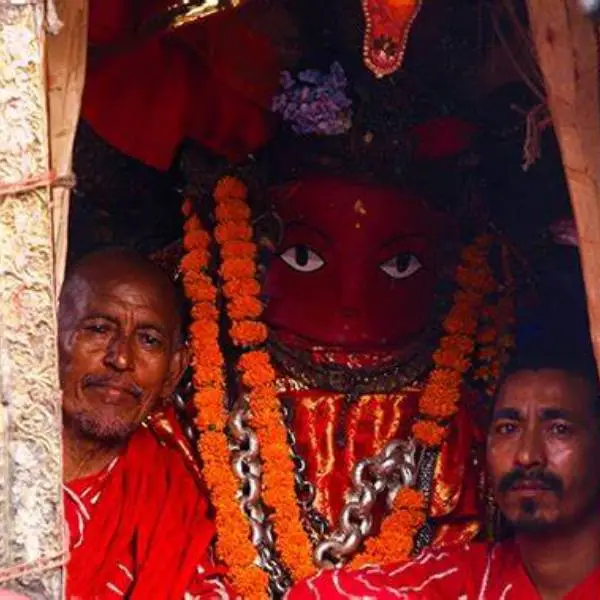
Bunga Dyo Jatra, widely known as Rato Machhindranath Jatra, is one of Lalitpur’s most important religious and cultural celebrations. The festival honours Bunga Dyo, a deity revered by both Buddhist and Hindu communities and closely associated with compassion, rainfall, fertile land and successful harvests. In Nepal Bhasa, the deity is called Bunga Dyah and is also worshipped as Karunamaya, meaning “the compassionate one.” The celebration reflects the close relationship between faith, agriculture and community life in the Kathmandu Valley.
The festival takes place in Patan, the historic centre of Lalitpur, and generally begins during Baisakh, which usually falls in April or May. Its exact dates change because the ceremonies follow the traditional lunar calendar and astrological calculations. Rather than being completed in one day, the jatra continues for several weeks as the sacred chariot moves gradually through different neighbourhoods. Visitors should confirm the official schedule before attending because ritual decisions, weather conditions and local arrangements may influence the procession dates.
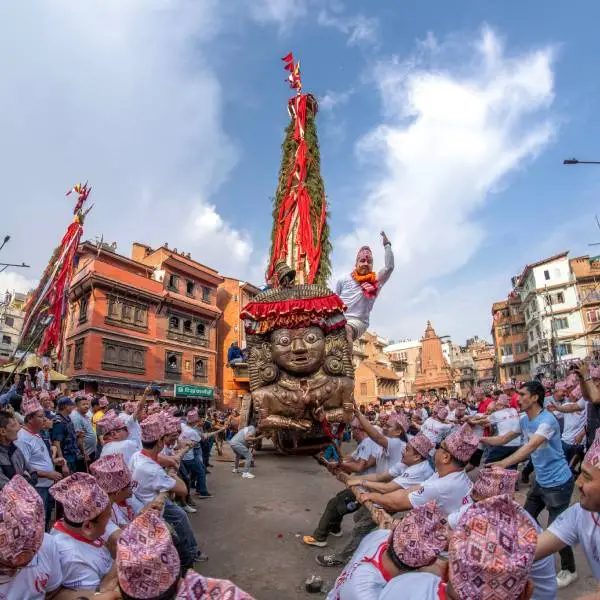
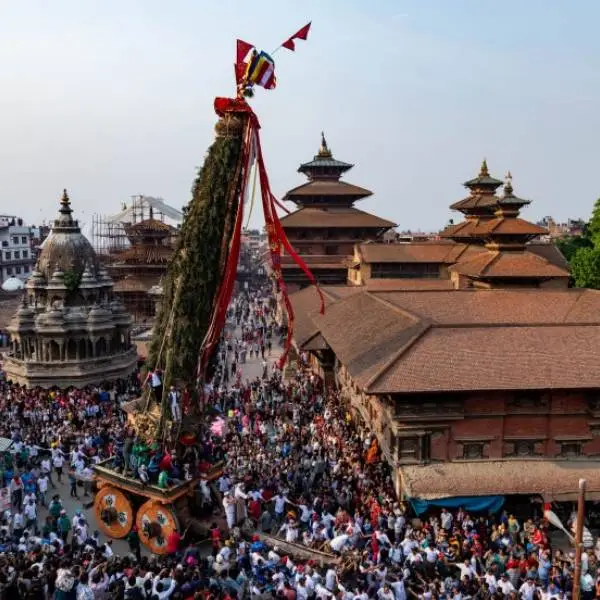
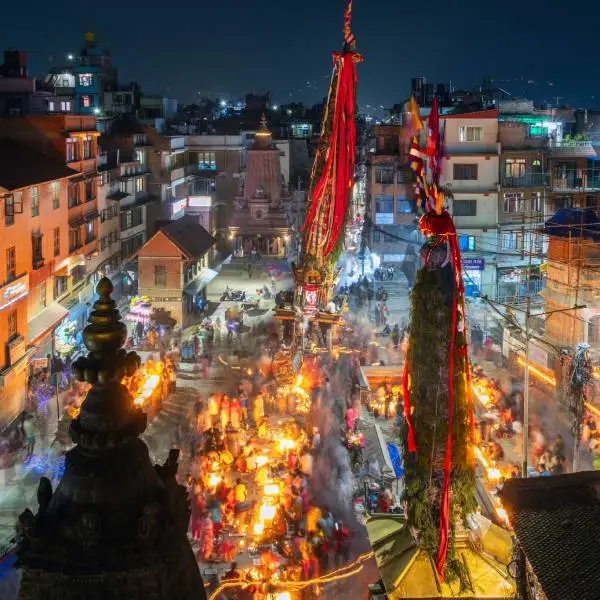
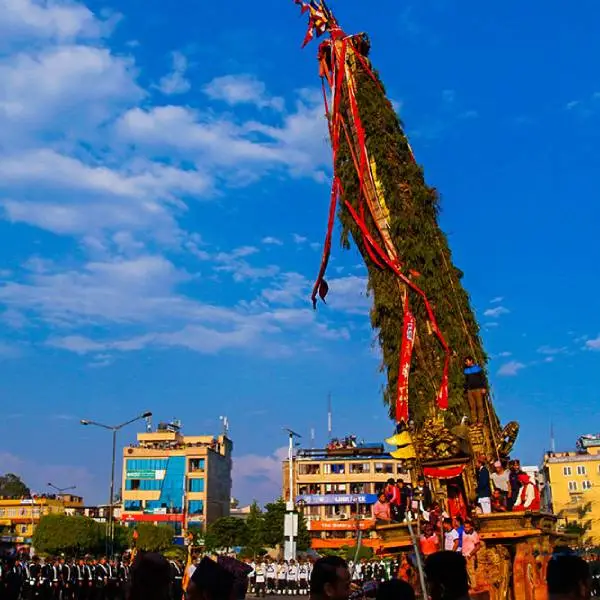
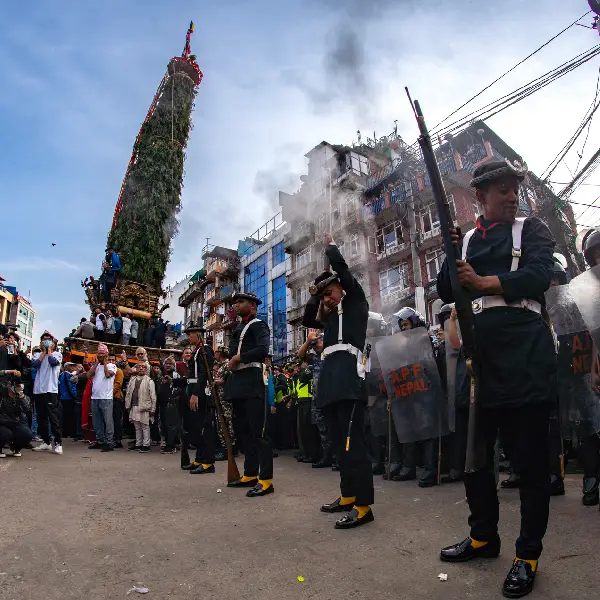
Preparations begin long before the chariot starts moving. Skilled Newar artisans construct a towering wooden chariot at Pulchowk using timber, bamboo and cane. The impressive structure is assembled using traditional building knowledge and decorated with greenery, red fabric, sacred symbols and ornamental details. Once the image of Bunga Dyo is ceremonially installed, priests and worshippers gather for prayers, offerings and blessings before the procession begins. A smaller chariot carrying Minnath, also called Chakuwa Dyo, traditionally accompanies the main chariot through Patan.
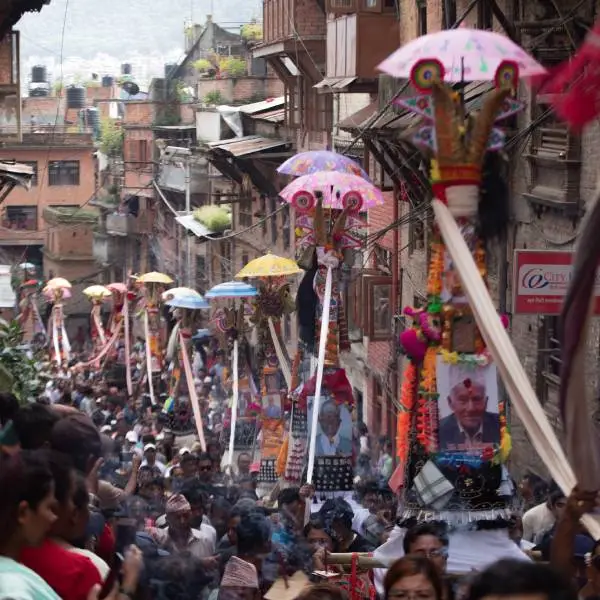
Large groups of residents pull the chariot using long, heavy ropes while traditional musicians fill the streets with the sound of drums, cymbals and wind instruments. The chariot begins at Pulchowk and moves in stages through historic areas that include Gabahal, Mangal Bazar, Sundhara and Lagankhel before eventually reaching Jawalakhel. Because the route passes through narrow streets and crowded public squares, every movement requires careful coordination and support from the surrounding community. Residents gather along the route to offer flowers, incense and prayers as the deity enters their neighbourhood.
The jatra is much more than a colourful public procession. It is a living religious tradition maintained by priests, craftspeople, musicians, farmers, local organisations and families whose responsibilities have continued across generations. The enormous chariot, rhythmic music and active participation of different neighbourhoods create an energetic atmosphere, yet the event remains deeply sacred. Devotees attend to seek blessings for rain, agricultural prosperity, family well-being and protection from hardship.
Bunga Dyo Jatra is connected with an old story about a severe drought in the Kathmandu Valley. According to local tradition, the deity was brought to the valley to end a long period without rainfall. This story explains why Rato Machhindranath continues to be worshipped as a protector of rain, crops, and prosperity. The festival also represents the religious harmony of the Kathmandu Valley. Buddhist devotees associate Bunga Dyo with Avalokiteshvara, the Bodhisattva of Compassion, while Hindu worshippers connect the deity with Machhindranath and divine powers related to rainfall and fertility.
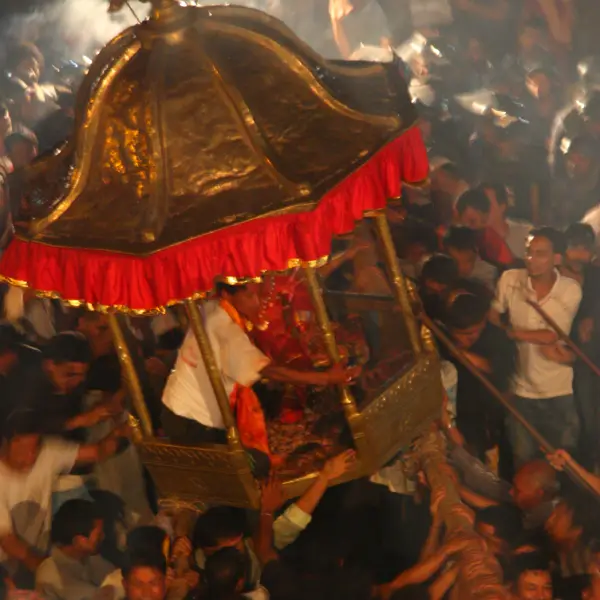
The festival comes to an end with the traditional Bhoto Jatra ceremony at Jawalakhel. During this ceremony, a black jewel-studded vest known as the bhoto is displayed from the chariot in four directions so the gathered crowd can see it. According to a popular legend, the vest was given to a farmer by the serpent king Karkotaka Naga. After the garment was lost and two people later disputed its ownership, it was placed under the protection of the deity until the rightful owner could provide proof. The annual display symbolically invites that owner to come forward.
International visitors can observe important stages of the procession around Pulchowk, Lagankhel and Jawalakhel. Arriving early is recommended because the streets become extremely crowded and temporary traffic restrictions may be introduced. Comfortable walking shoes, drinking water and light rain protection are useful because the festival takes place close to Nepal’s monsoon season. Visitors should remain behind local barriers, avoid touching the chariot or sacred objects and never stand directly in front of the moving wheels or pulling ropes.
Photography is generally possible from public viewing areas, but worship and public safety should always come first. Permission should be requested before taking close portraits of priests, musicians, worshippers or children. Flash photography should be avoided during religious ceremonies, and visitors should not enter restricted spaces to capture photographs. The festival can also be combined with a Patan heritage walk, including Patan Durbar Square, traditional Newar courtyards and the historic settlement of Bungamati.