Pahachare
Pāhā Chahre (also spelled Pachahare or Pahan Charhe) is one of the oldest and most important festivals of the Newar community in the Kathmandu Valley. Celebrated during the Nepali month of Chaitra (March–April), the festival marks the arrival of spring and is dedicated to honoring various local deities, protective gods, and ancestral spirits. Unlike many festivals centered around a single deity, Pahachare is a community-wide celebration that combines Hindu and Buddhist traditions, reflecting the unique cultural harmony of the Kathmandu Valley. Through religious rituals, traditional music, masked dances, and neighborhood gatherings, the festival celebrates protection, purification, and the renewal of community life. Although it is primarily observed in Kathmandu, Patan, and Bhaktapur, each locality follows its own customs while preserving the festival's shared cultural values.
The spiritual significance of Pahachare lies in the worship of powerful guardian deities believed to protect towns, families, and communities from disease, misfortune, and harmful influences. Many traditions are associated with Ajima goddesses, Bhairav, Ganesh, and numerous local deities who are regarded as protectors of different neighborhoods. According to Newar beliefs, these divine guardians maintain harmony between the spiritual and human worlds. The festival is also connected with the changing seasons, symbolizing the removal of negative energy before the beginning of a new agricultural cycle. By honoring these protective deities, devotees seek blessings for health, prosperity, peace, and the well-being of their families and communities throughout the year.
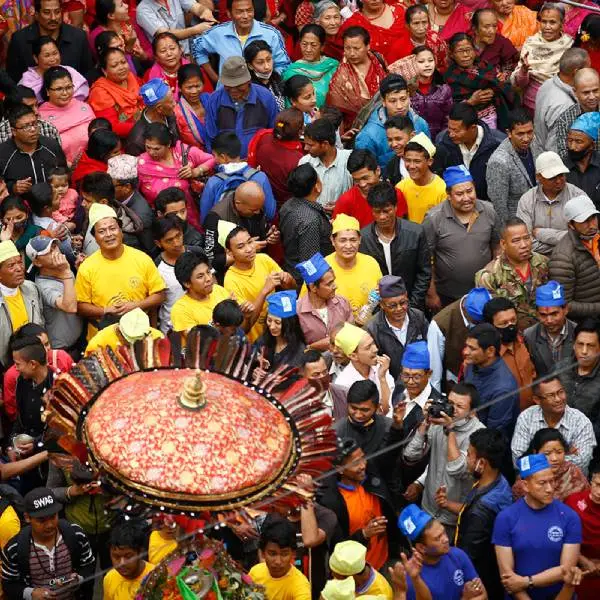
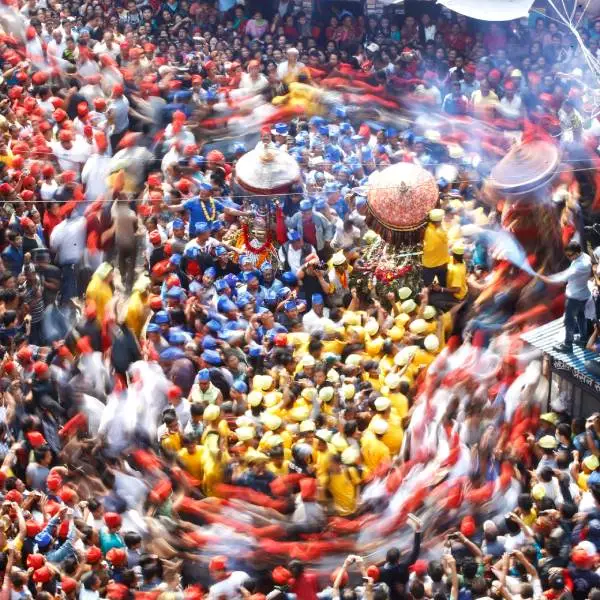
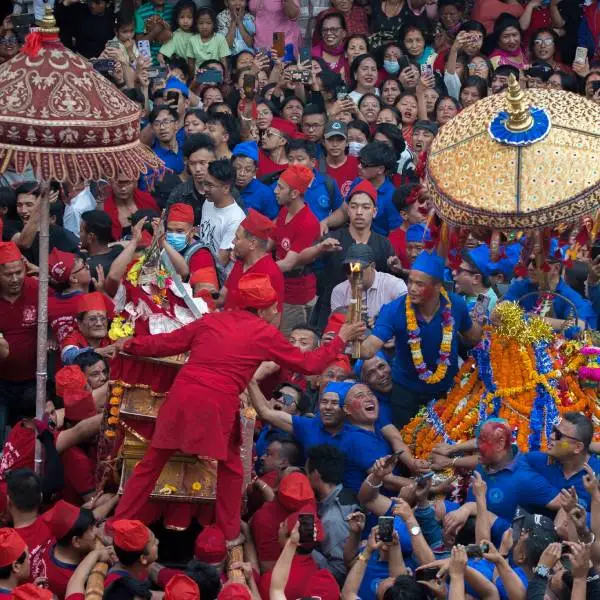
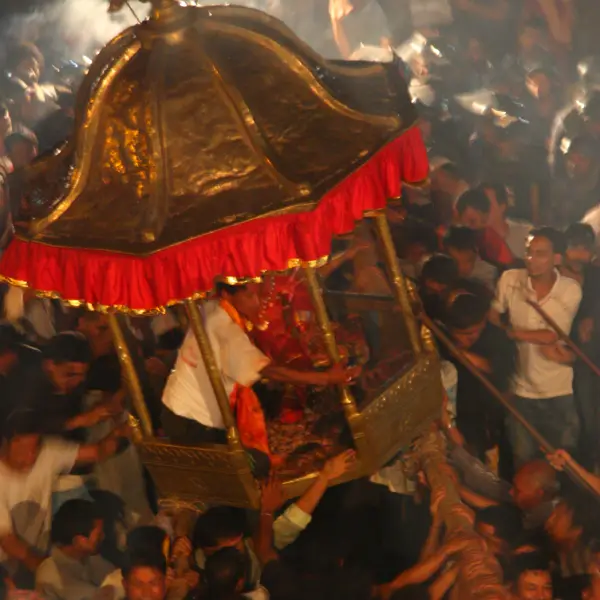
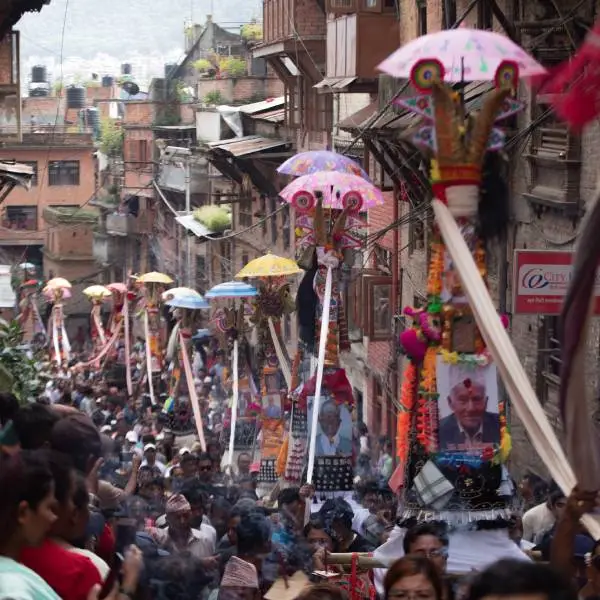
Pahachare is celebrated through a series of religious ceremonies and community activities that continue over several days. Families begin by cleaning their homes and preparing offerings of flowers, rice, fruits, incense, oil lamps, and traditional foods. Temples and neighborhood shrines dedicated to local deities become the center of worship as devotees gather to offer prayers and receive blessings. In many areas, sacred images of deities are carried in processions through the streets, accompanied by traditional Newar musical ensembles playing Dhime drums, cymbals, and trumpets. Cultural performances, masked dances, and devotional rituals create a festive atmosphere while preserving customs that have been passed down for generations. Community feasts and family gatherings further strengthen social ties and encourage participation across all generations.
Regional celebrations of Pahachare vary throughout the Kathmandu Valley, giving each locality its own distinctive character. In Kathmandu, neighborhoods organize processions to local shrines and temples, while traditional dances and musical performances take place in historic courtyards and public squares. Patan celebrates the festival with rituals dedicated to local guardian deities and community gatherings centered around its ancient temples. In Bhaktapur, residents continue centuries-old traditions through neighborhood ceremonies, devotional music, and visits to sacred sites. Although the rituals differ from one community to another, they all share the common purpose of honoring protective deities and strengthening the unity of the local community.
Beyond its religious importance, Pahachare plays a significant role in preserving the cultural identity of the Newar people. The festival keeps traditional music, dance, craftsmanship, and oral traditions alive while encouraging younger generations to participate in community life. Families come together to prepare offerings, visit relatives, and celebrate their shared heritage, reinforcing social bonds and mutual respect. Pahachare also demonstrates the harmonious coexistence of Hindu and Buddhist beliefs that has shaped the Kathmandu Valley for centuries. This unique blend of traditions continues to make the festival an important expression of Nepal's diverse cultural heritage.
For travelers, Pahachare offers an authentic opportunity to experience the living traditions of the Kathmandu Valley beyond the more widely known festivals. Visitors can explore the historic cities of Kathmandu, Patan, and Bhaktapur, where temples, courtyards, and neighborhood shrines come alive with colorful rituals and traditional performances. Watching community processions, listening to Newar musical ensembles, and observing sacred ceremonies provide valuable insight into the region's rich cultural history. Travelers should dress modestly when visiting religious sites, remain respectful during ceremonies, and ask permission before photographing worshippers or ritual activities. Joining a knowledgeable local guide can greatly enhance the experience by explaining the symbolism and history behind the various customs and traditions.
Pahachare is much more than a seasonal celebration; it is a festival of protection, community, and cultural continuity. Through its ancient rituals, neighborhood gatherings, and spiritual traditions, it reflects the enduring values of the Newar people and their deep connection to the sacred heritage of the Kathmandu Valley. For visitors, experiencing Pahachare offers a meaningful glimpse into one of Nepal's oldest and most cherished living traditions.