Holi
Holi, also known as the Festival of Colors or Phagu Purnima, is one of the most vibrant and joyful festivals celebrated in Nepal. This colorful celebration represents the arrival of spring, the victory of good over evil, and the spirit of love, happiness, and togetherness. Celebrated on the full moon day of the Nepali month of Falgun, Holi brings people from different communities together to share happiness, play with colors, and celebrate the beauty of cultural harmony. The festival is widely celebrated throughout Nepal, with unique traditions and customs that reflect the country’s rich religious and social diversity.
The significance of Holi goes beyond the use of bright colors. The festival is deeply connected with ancient Hindu traditions and mythology. One of the most popular stories associated with Holi is the legend of Prahlad and Holika, which represents the triumph of devotion and goodness over arrogance and evil. According to the story, Prahlad, a devoted follower of Lord Vishnu, was protected from the flames while Holika, who attempted to harm him, was destroyed. This story symbolizes the victory of truth, faith, and righteousness. The celebration of Holi reminds people to overcome negativity and welcome positivity, renewal, and hope into their lives.
In Nepal, Holi is celebrated with great enthusiasm and excitement. The festival generally takes place over two days, with celebrations varying between the hilly regions and the Terai plains. In Kathmandu Valley and other hill areas, Holi is celebrated on one day, while communities in the Terai region celebrate it on the following day. The difference in celebration dates reflects Nepal’s diverse geography and cultural traditions while maintaining the same spirit of joy and unity.
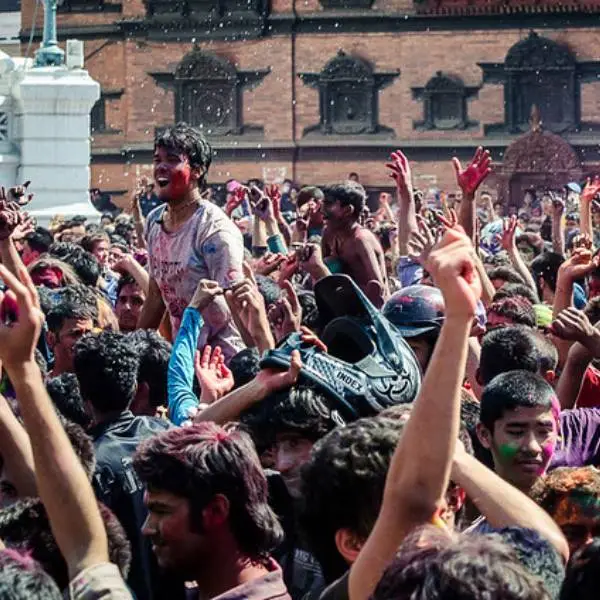
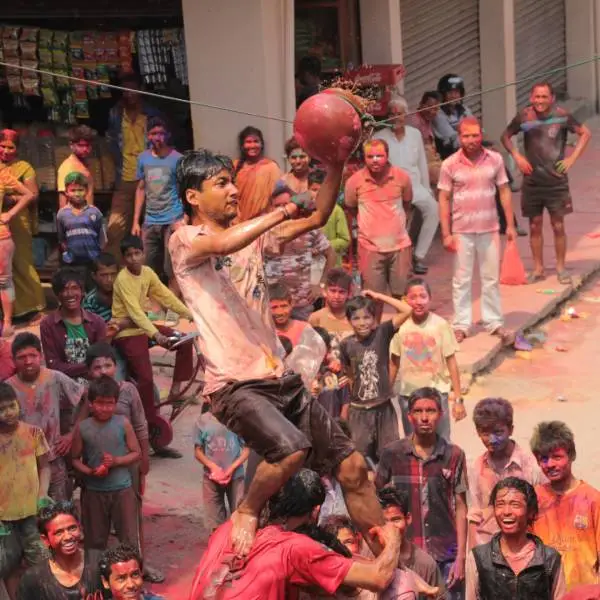
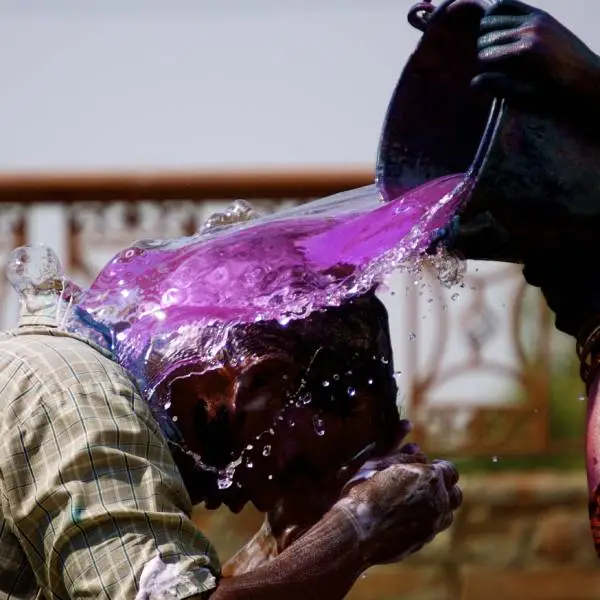
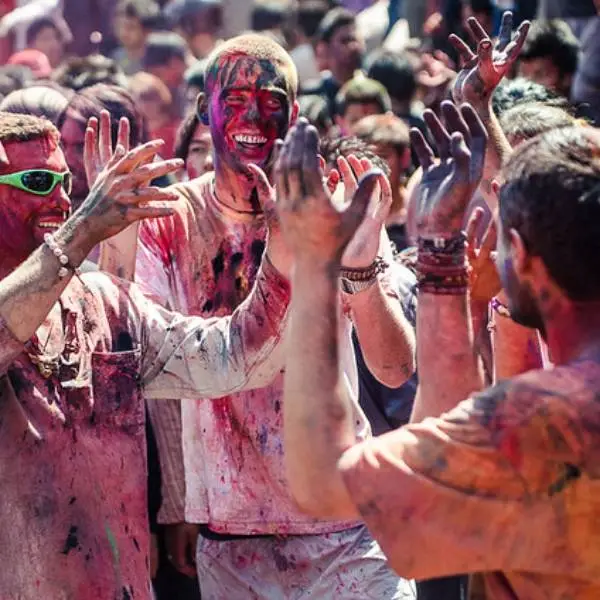
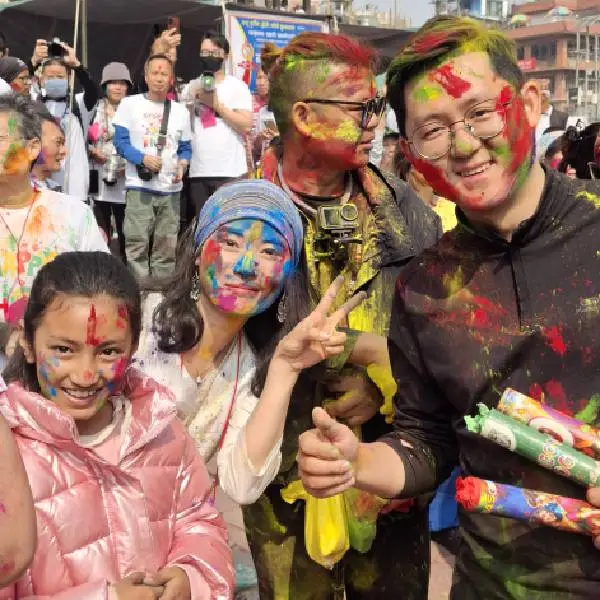
The most exciting part of Holi is the playful use of colors. People gather with family, friends, and neighbors to apply colorful powders called “abir” and splash colored water on each other. Streets, squares, and public spaces become filled with music, laughter, dancing, and vibrant colors. People often wear white clothes that transform into beautiful shades of red, blue, green, yellow, and pink throughout the celebration. The atmosphere during Holi reflects happiness, friendship, and the feeling of togetherness among people of all ages.
In Kathmandu, places such as Basantapur Durbar Square, Thamel, and other cultural areas become lively centers of Holi celebrations. Locals and visitors come together to enjoy music, cultural performances, and the colorful festivities. Traditional songs, modern music, and community gatherings create an energetic environment where people celebrate the festival with great excitement. For travelers, witnessing Holi in Nepal provides a wonderful opportunity to experience the country’s vibrant culture and interact with local communities.
Food also plays an important role during Holi celebrations. Families prepare traditional sweets and special dishes to share with relatives and friends. Sharing food during the festival represents love, friendship, and the strengthening of social relationships. The celebration is not only about colors but also about creating meaningful connections and enjoying moments of happiness with loved ones.
For travelers interested in cultural experiences, celebrating Holi in Nepal offers a unique way to explore the country beyond its famous mountains and landscapes. Nepal is known for its natural beauty, trekking routes, and ancient heritage sites, but festivals like Holi reveal the warmth and traditions of its people. Visitors can experience local customs, participate in celebrations, and understand how festivals continue to play an important role in Nepalese society.
A journey during the Holi festival allows travelers to explore Nepal’s historic cities, traditional villages, and cultural landmarks while experiencing one of the country’s most colorful celebrations. The Kathmandu Valley provides an ideal setting to witness the combination of ancient heritage and modern celebrations. Visitors can explore temples, observe local rituals, and enjoy the festive atmosphere created by communities celebrating together.
Holi is also a festival that promotes unity and harmony. During this celebration, social differences are often forgotten as people come together to share colors and happiness. Friends, families, neighbors, and even strangers participate in the festivities, creating a sense of connection and belonging. The festival carries a universal message of love, forgiveness, and new beginnings.
The beauty of Holi lies in its ability to bring people together through simple expressions of joy. The colors used during the festival represent happiness, energy, and the diversity of life. Each shade adds brightness to the celebration and reminds people of the importance of positivity and togetherness.
Experiencing Holi in Nepal provides travelers with unforgettable memories filled with culture, tradition, and celebration. It offers a chance to witness the lively spirit of Nepalese communities and understand the deeper meaning behind one of the country’s most loved festivals. More than just a festival of colors, Holi is a celebration of friendship, hope, and the beautiful connections that bring people closer together.