Gaan Pyakhan
Gaan Pyakhan, also known as Asta Matrika Dance, is one of the most remarkable traditional masked dances of Nepal that reflects the deep spiritual and cultural heritage of the Newar community. This centuries-old ritual performance is mainly associated with the Kathmandu Valley and is admired for its combination of religious symbolism, traditional music, artistic expressions, and community participation. Unlike ordinary cultural performances created only for entertainment, Gaan Pyakhan carries a strong spiritual meaning as it represents the worship of powerful mother goddesses and the protection they provide to communities.
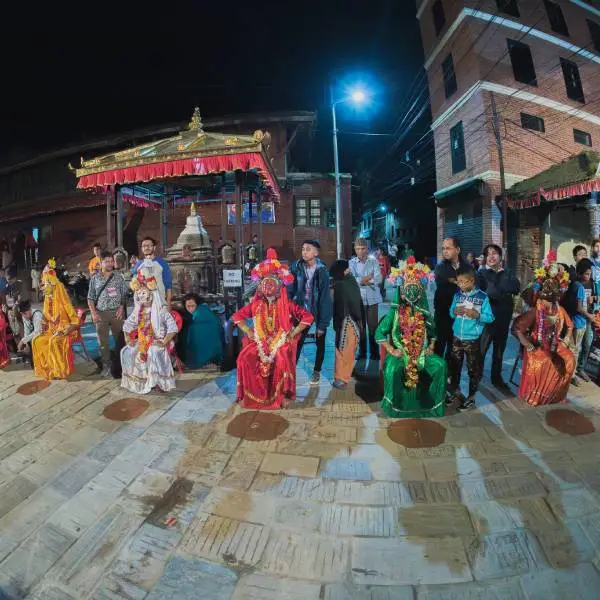
The name Gaan Pyakhan comes from the Newari language, where “Gaan” means group and “Pyakhan” means dance. The festival represents a group performance where dancers portray different deities through carefully prepared costumes, masks, and traditional movements. The dance is closely connected with the Asta Matrika, the eight mother goddesses worshipped in Newar Hindu traditions. These divine figures are believed to protect people from negative forces and maintain balance between spiritual and worldly life.
Gaan Pyakhan is considered one of the oldest ritual dances of the Kathmandu Valley, with a history dating back several centuries. The tradition is believed to have developed during the Malla period when art, architecture, and religious practices flourished in Nepal. Over generations, the dance has been preserved through community groups and traditional knowledge passed from elders to younger generations. The continuation of Gaan Pyakhan represents the dedication of local communities toward protecting Nepal’s intangible cultural heritage.
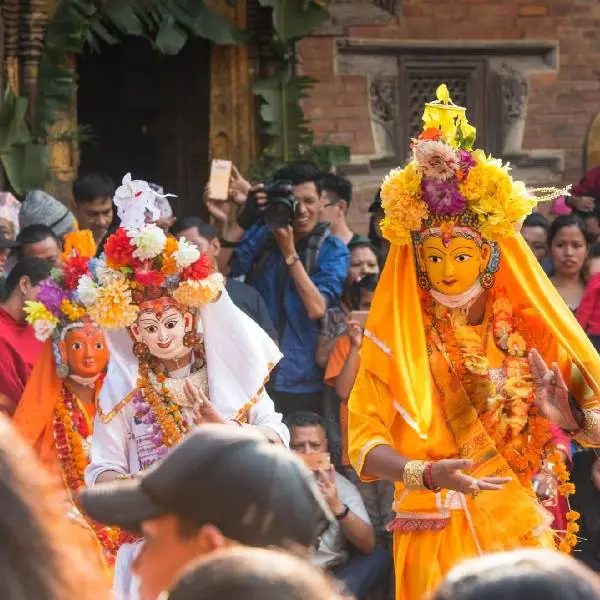
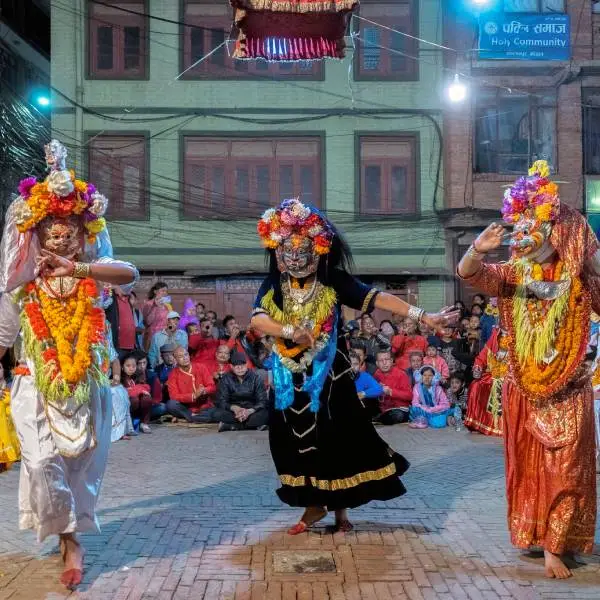
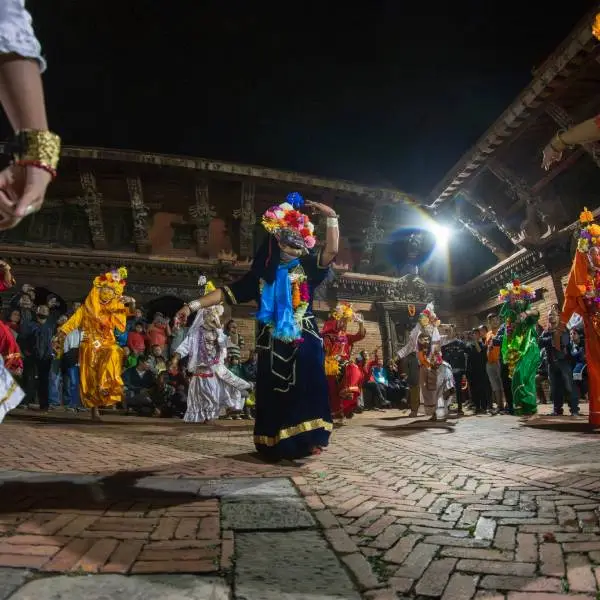
One of the most fascinating aspects of Gaan Pyakhan is the use of traditional masks and costumes. Each mask represents a specific deity and carries its own symbolic meaning. The dancers carefully perform movements that represent divine characters, creating a powerful visual experience for spectators. The combination of colorful costumes, expressive masks, traditional music, and synchronized movements makes the performance a unique cultural attraction.
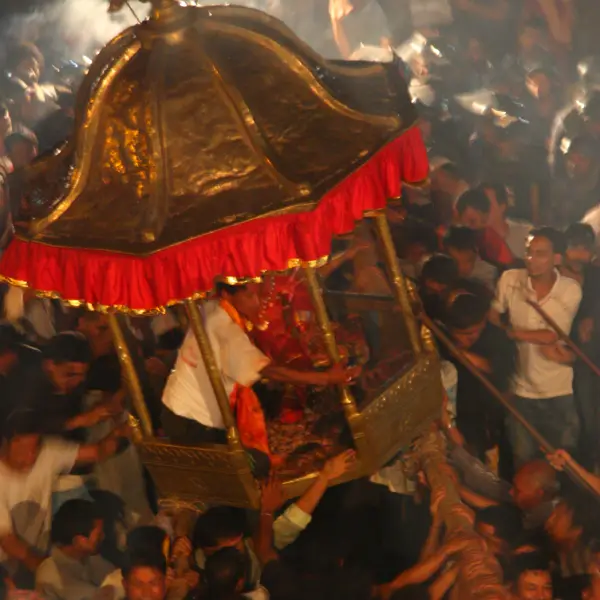
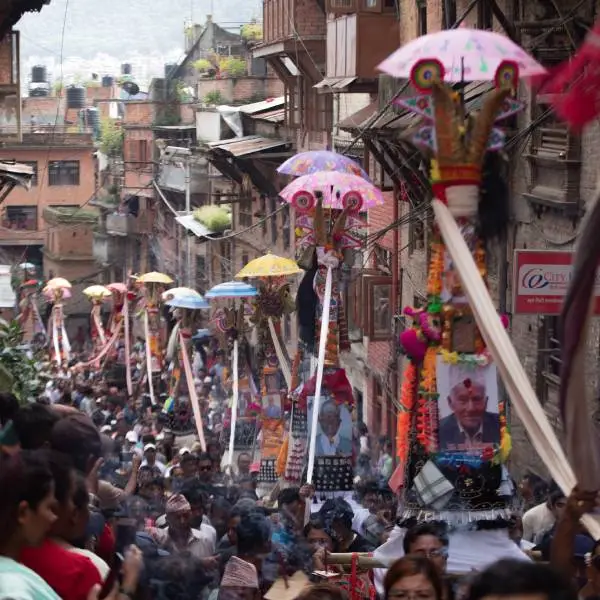
The dance is traditionally performed during the Dashain festival period, one of the biggest religious festivals in Nepal. During this time, communities gather to celebrate the victory of good over evil and worship various forms of divine energy. Gaan Pyakhan becomes an important part of these celebrations as devotees and visitors gather to witness the sacred performance. The dance creates a connection between mythology, religion, and community traditions.
One of the well-known locations where Gaan Pyakhan is performed is Patan Durbar Square in Lalitpur. The historic royal courtyard and traditional architecture provide a magnificent background for this ancient performance. The combination of UNESCO heritage surroundings, traditional music, and masked dancers creates an unforgettable cultural atmosphere. Visitors can experience not only the dance itself but also the historical environment where Nepal’s artistic traditions have continued for generations.
Traditional music plays an essential role in bringing Gaan Pyakhan to life. Musicians use local instruments to create rhythmic sounds that guide the dancers’ movements. The beats, melodies, and ceremonial atmosphere make the performance deeply engaging. Every movement and musical pattern follows traditional practices that have been preserved over many years.
For travelers interested in cultural tourism, experiencing Gaan Pyakhan offers a rare opportunity to explore Nepal beyond popular sightseeing destinations. While Nepal is famous worldwide for its mountains and trekking routes, festivals like Gaan Pyakhan reveal the country’s rich artistic and spiritual identity. Visitors can witness how ancient traditions continue to remain an active part of daily life in the Kathmandu Valley.
The festival also highlights the importance of community involvement in preserving cultural heritage. Many traditional festivals in Nepal depend on local groups, families, and cultural organizations that dedicate their time to maintaining rituals and performances. Gaan Pyakhan is a great example of how communities work together to protect their history and share their traditions with future generations.
Photography and cultural exploration enthusiasts will find Gaan Pyakhan especially fascinating. The detailed masks, vibrant costumes, ancient temples, traditional instruments, and emotional expressions of performers provide countless opportunities to capture Nepal’s living heritage. However, visitors should always approach such sacred performances with respect and follow local customs while observing or photographing the rituals.
Experiencing Gaan Pyakhan allows travelers to understand the deeper connection between religion, art, and society in Nepal. The dance is not simply a performance but a spiritual practice that preserves stories, beliefs, and traditions from the past. It represents the relationship between humans and divine forces while celebrating the cultural identity of the Newar community.
For those planning a cultural journey through Nepal, witnessing Gaan Pyakhan can become one of the most memorable experiences. The ancient masked dance, traditional music, sacred rituals, and historic surroundings together create a unique festival experience that showcases Nepal’s extraordinary heritage. Gaan Pyakhan stands as a reminder that Nepal’s greatest treasures are not only found in its landscapes but also in the traditions and communities that continue to keep its culture alive.